Our Top Picks
- Best Overall for Everyday Use: Garmin Vivomove Sport – A stylish hybrid that balances health tracking with a classic look.
- Best Smartwatch Integration: Apple Watch Series 10 – Exceptional clinical accuracy with a 2,000-nit screen for seamless daily use.
- Best for Competitive Runners: Garmin Forerunner 970 – Features the latest Elevate Gen 5 sensor and dual-band GPS for serious training.
- Best Budget Pick: Amazfit Band 7 – Delivers reliable biometric data and an 18-day battery life at a fraction of the cost.
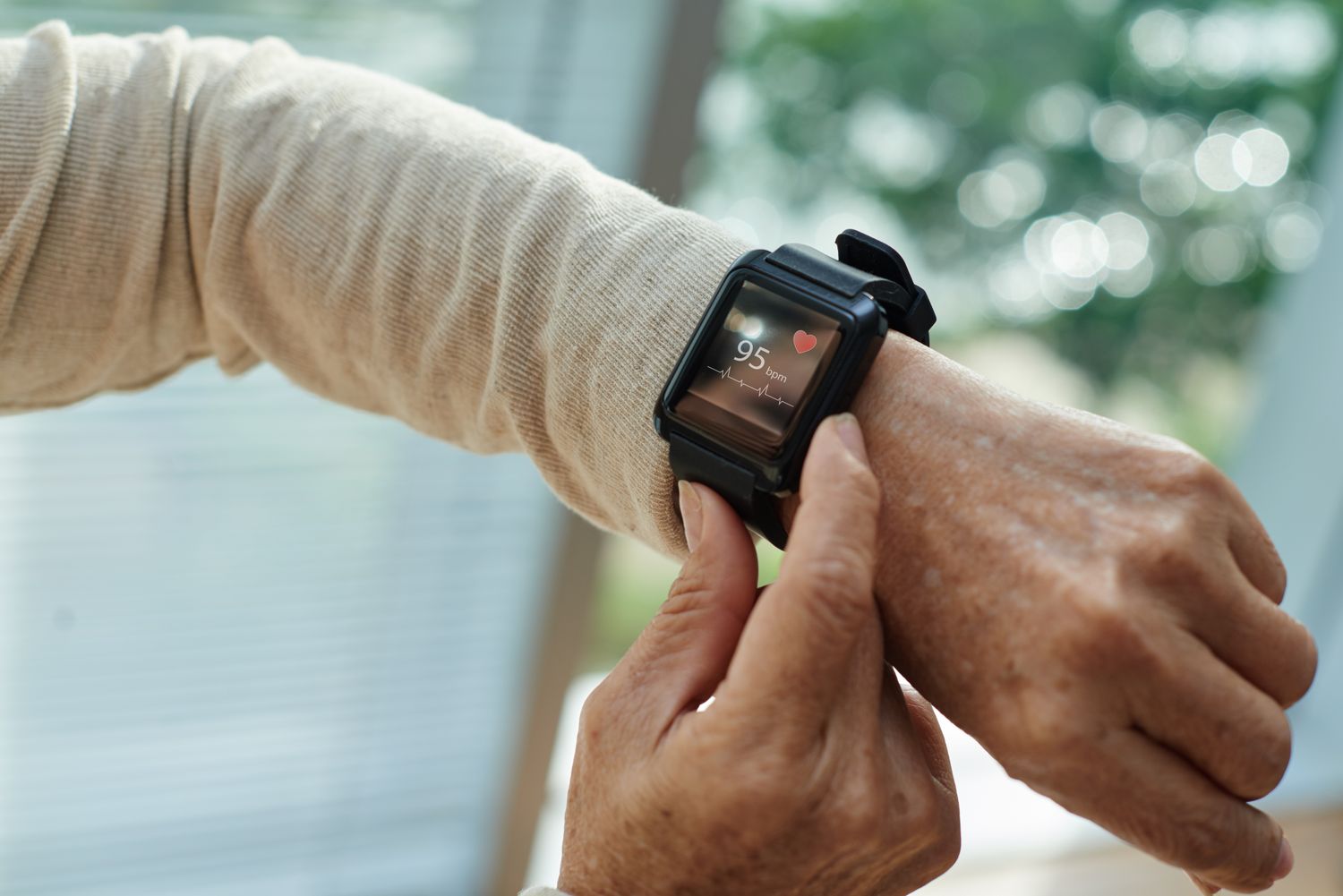
The most accurate heart rate monitor watches are those validated through rigorous testing during diverse activities like running, strength training, and sleep. Top-rated models such as the Garmin Vivomove Sport and Garmin Vivoactive 5 are recognized for their precision in tracking biometric data including heart rate, respiration, and VO2 Max. For users seeking affordability without sacrificing reliability, the Amazfit Band 7 offers accurate heart rate metrics and alerts for abnormal readings.
The Technology: ECG vs. PPG Sensors
To understand how a heart rate monitor watch works, we have to look at the two primary ways these devices "see" your heart. Most modern wrist-worn heart rate tracking smartwatches use Photoplethysmography (PPG). These are the glowing green lights you see on the back of the watch. They shine light into your skin to measure the volume of blood flow. While convenient, PPG sensors can sometimes struggle with skin tone, tattoos, or high-motion activities like heavy lifting where the watch might shift on the wrist.
On the other hand, traditional chest straps use Electrocardiography (ECG) to detect the actual electrical signals of your heart. In the past, the gap between the two was significant. however, as we head into 2026, the gap is closing rapidly. High-end biometric sensors in smartwatches now utilize multi-path optical pulse monitoring to filter out noise from movement. This evolution means that for most fitness enthusiasts, a wrist-based device provides more than enough precision for daily training and health insights.
Recent data supports this technological leap. In a 2026 meta-analysis of 39 studies, Garmin and Apple smartwatches were identified as the most consistently accurate for heart rate monitoring, demonstrating negligible bias figures of -0.91 and -0.62 beats per minute, respectively. This means the numbers you see on your wrist are closer to medical-grade reality than ever before.
1. Garmin Vivomove Sport: Best Overall for Everyday Use
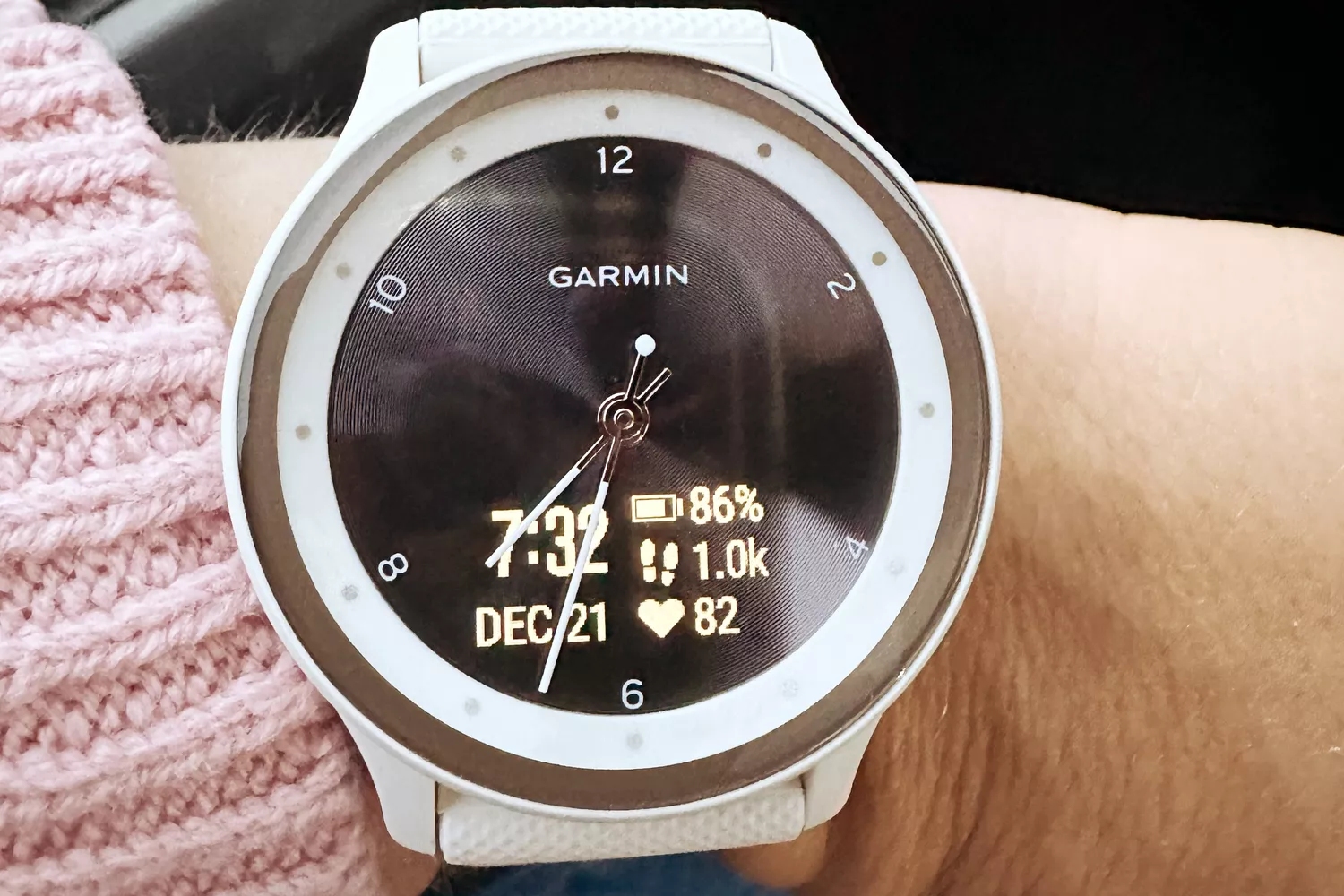
If you want the benefits of a heart rate monitor watch without the bulky look of a sports computer, the Garmin Vivomove Sport is the answer. It looks like a traditional analog watch with real ticking hands, but a hidden touchscreen display appears when you tap the glass. It is a fantastic entry point for those who want simple heart rate monitor watches for beginners while still receiving professional-grade data.
The Vivomove Sport is excellent for 24/7 health monitoring. It tracks SpO2 oxygen saturation and stress levels by measuring your heart rate variability throughout the day. If your stress levels get too high, the watch even prompts you to perform a guided breathing exercise. It is also rated for 164 feet of water resistance, so you don't have to take it off in the shower or the pool.
| Quick Spec | Details |
|---|---|
| Battery Life (Watch) | Up to 5 days |
| Weight | 33.8g |
| Sensor Generation | Garmin Elevate Gen 4 |
| Waterproof Rating | 5 ATM (50 meters) |
- Who It’s For: Professionals who want health tracking that blends in with office attire.
- Potential Flaws: The small OLED screen can be difficult to read in direct, bright sunlight compared to AMOLED models.
2. Apple Watch Series 10: Best Smartwatch Integration
The Apple Watch Series 10 remains the king of the accurate heart rate tracking smartwatches for iPhone users. It features a stunning AMOLED touchscreen that hits 2,000 nits of brightness, making it perfectly legible even in the desert at high noon. Beyond the screen, its heart rate monitoring capabilities are world-class.
Clinical research published in the journal Digital Health found that top-tier wrist-worn monitors like the Apple Watch achieved mean heart rate measurement errors as low as 1% when compared to electrocardiogram standards. The Series 10 takes this further by integrating detailed sleep cycle analysis and HRV monitoring into a daily health dashboard that is incredibly easy to navigate. It is a true all-rounder that transitions from the gym to the boardroom effortlessly.
| Quick Spec | Details |
|---|---|
| Battery Life (Watch) | 18 - 36 hours (Low Power Mode) |
| Weight | 36.4g (46mm Aluminum) |
| Sensor Generation | Apple Gen 3 Optical Heart Sensor |
| Waterproof Rating | 50 meters (Swimproof) |
- Who It’s For: Users deeply embedded in the Apple ecosystem who want the best mix of health and smart features.
- Potential Flaws: Battery life is still the biggest hurdle, requiring a charge almost every single day.
3. Garmin Forerunner 970: Best for Competitive Runners
For the dedicated athlete, the Garmin Forerunner 970 is the ultimate fitness watches for runners. It utilizes the newest Elevate Gen 5 sensor, which features more LEDs and a larger surface area to maintain contact with the skin during high-intensity movements. This is critical for preventing the "cadence lock" issue where a watch accidentally tracks your steps instead of your heart rate.
This watch is specifically designed as a gps heart rate monitor watches for long distance running, offering dual-band GPS for pinpoint accuracy in cities or dense forests. It provides advanced training load metrics and a VO2 Max estimation that adjusts based on heat and altitude. For those focused on performance, the Forerunner 970 tells you exactly how much time you need to recover before your next hard session.
| Quick Spec | Details |
|---|---|
| Battery Life (GPS) | Up to 31 hours |
| Weight | 53g |
| Sensor Generation | Garmin Elevate Gen 5 |
| Waterproof Rating | 5 ATM |
- Who It’s For: Marathoners and triathletes who need deep physiological insights.
- Potential Flaws: The plastic casing feels less "premium" than titanium or stainless steel competitors.
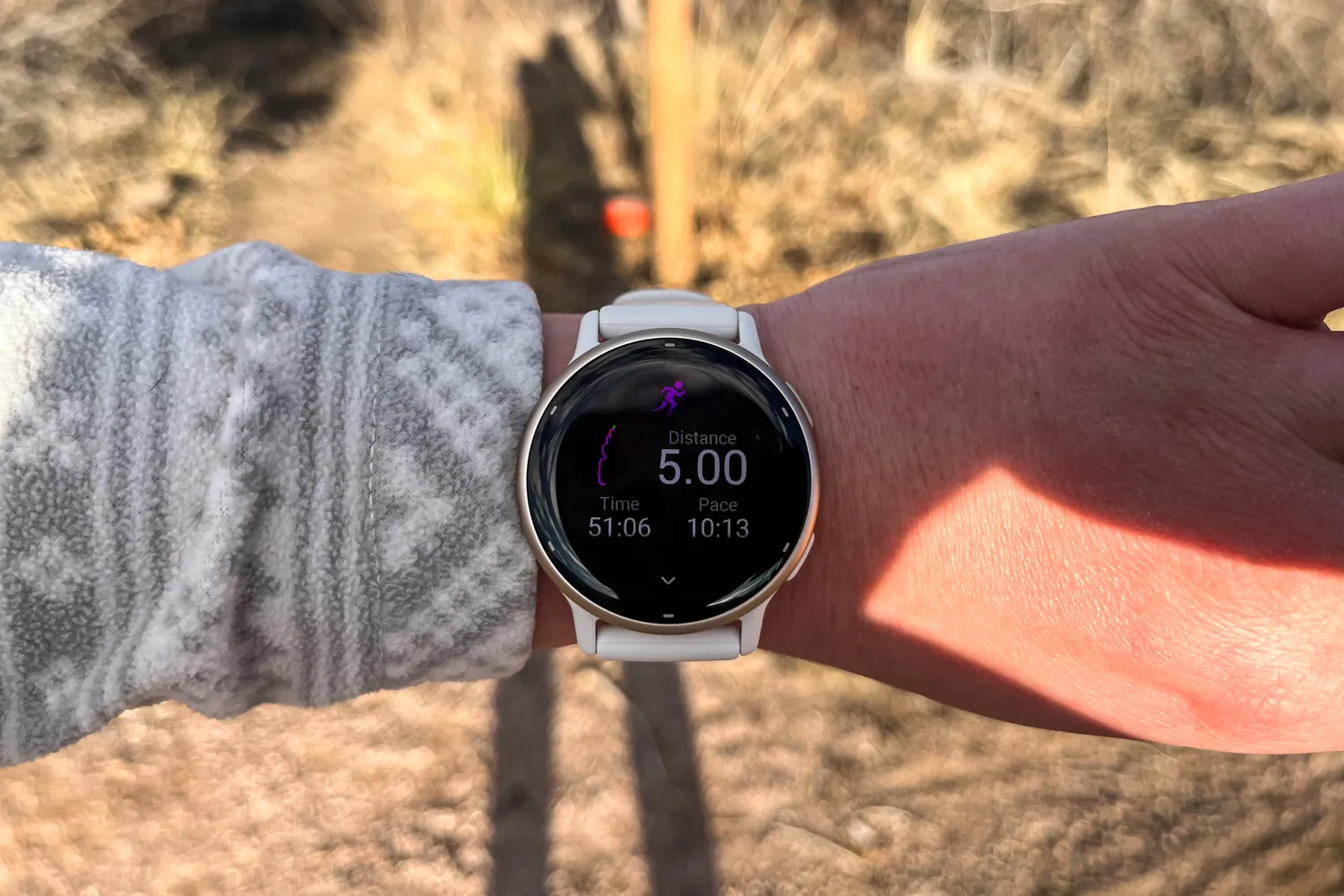
4. Amazfit Band 7: Best Budget Pick
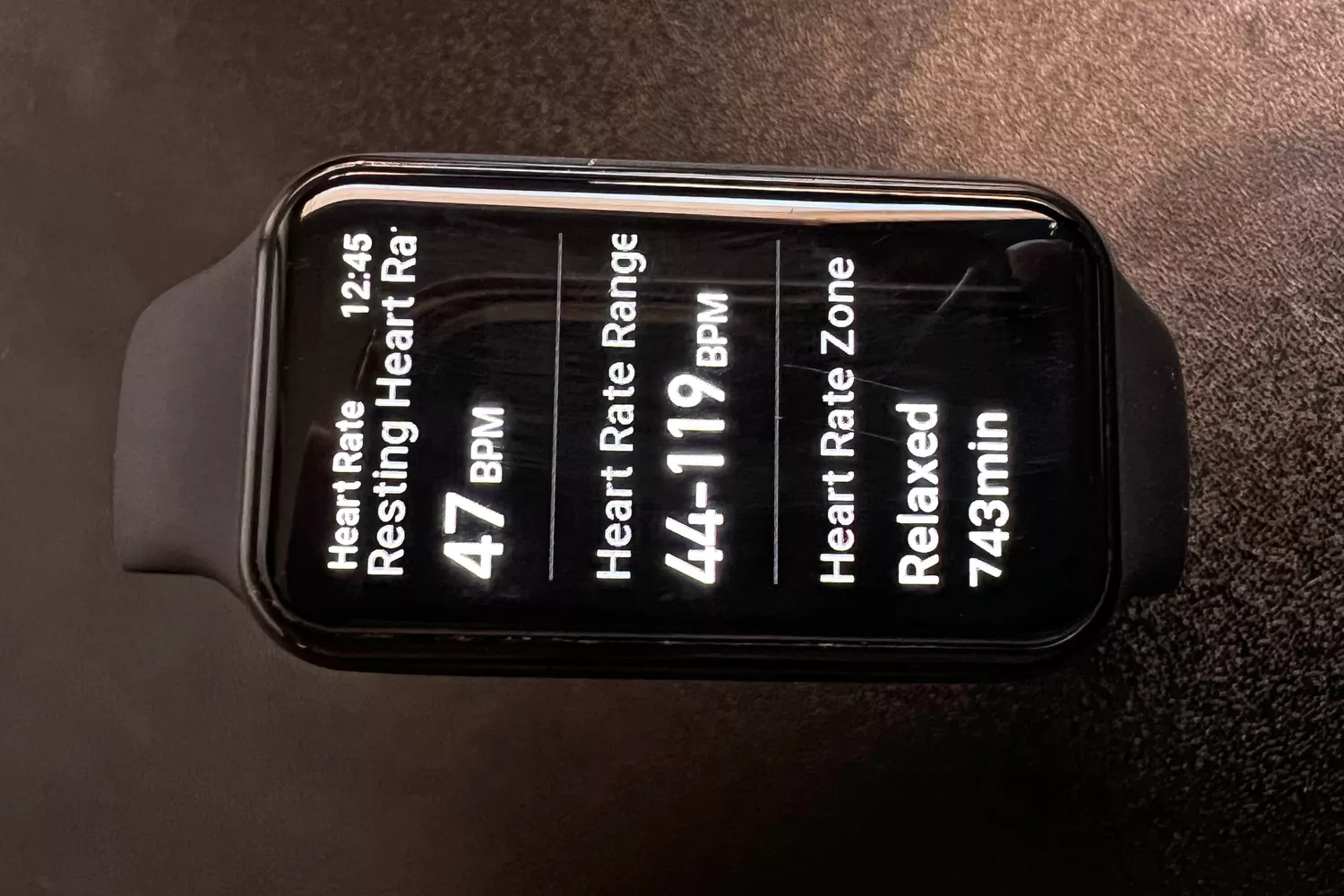
You don’t need to spend hundreds of dollars to get a reliable heart rate monitor watch. The Amazfit Band 7 is a powerhouse of value. Despite its low price point, it provides continuous 24-hour heart rate monitoring and can even alert you if your heart rate becomes abnormally high or low while you are at rest.
It uses the BioTracker 3.0 PPG sensor, which handles basic biometric tracking with impressive stability. While it lacks the advanced GPS features of higher-end Garmin models, it is more than sufficient for gym-goers and walkers who want an accurate heart rate monitor watches for fitness enthusiasts without a massive investment.
| Quick Spec | Details |
|---|---|
| Battery Life (Watch) | Up to 18 days |
| Weight | 28g (with strap) |
| Sensor Generation | BioTracker 3.0 PPG |
| Waterproof Rating | 5 ATM |
- Who It’s For: Budget-conscious shoppers or people who want a small, unobtrusive fitness tracker.
- Potential Flaws: The companion mobile app can be cluttered with ads and unnecessary prompts.
5. Garmin Enduro 3: Best Battery Performance
If your adventures take you off the grid for weeks, you need a heart rate monitor watch with superior battery performance. The Garmin Enduro 3 is a rugged heart rate monitor watches for outdoor sports that uses solar-boosted technology to extend its life. In standard smartwatch mode, it can last up to 90 days; even with frequent GPS use, it provides over 320 hours of tracking.
The Enduro 3 is built for endurance, featuring training load metrics that help you pace yourself during 100-mile ultramarathons. It includes a recovery time advisor that takes your sleep, stress, and daily activity into account to tell you when you are ready to push again. This is the gold standard for anyone who prioritizes longevity over all else.
| Quick Spec | Details |
|---|---|
| Battery Life (Watch) | Up to 90 days (with Solar) |
| Weight | 63g |
| Sensor Generation | Garmin Elevate Gen 5 |
| Waterproof Rating | 10 ATM (100 meters) |
- Who It’s For: Ultra-endurance athletes, thru-hikers, and anyone who hates charging their watch.
- Potential Flaws: It is quite large and can feel heavy on smaller wrists, potentially affecting sleep comfort.
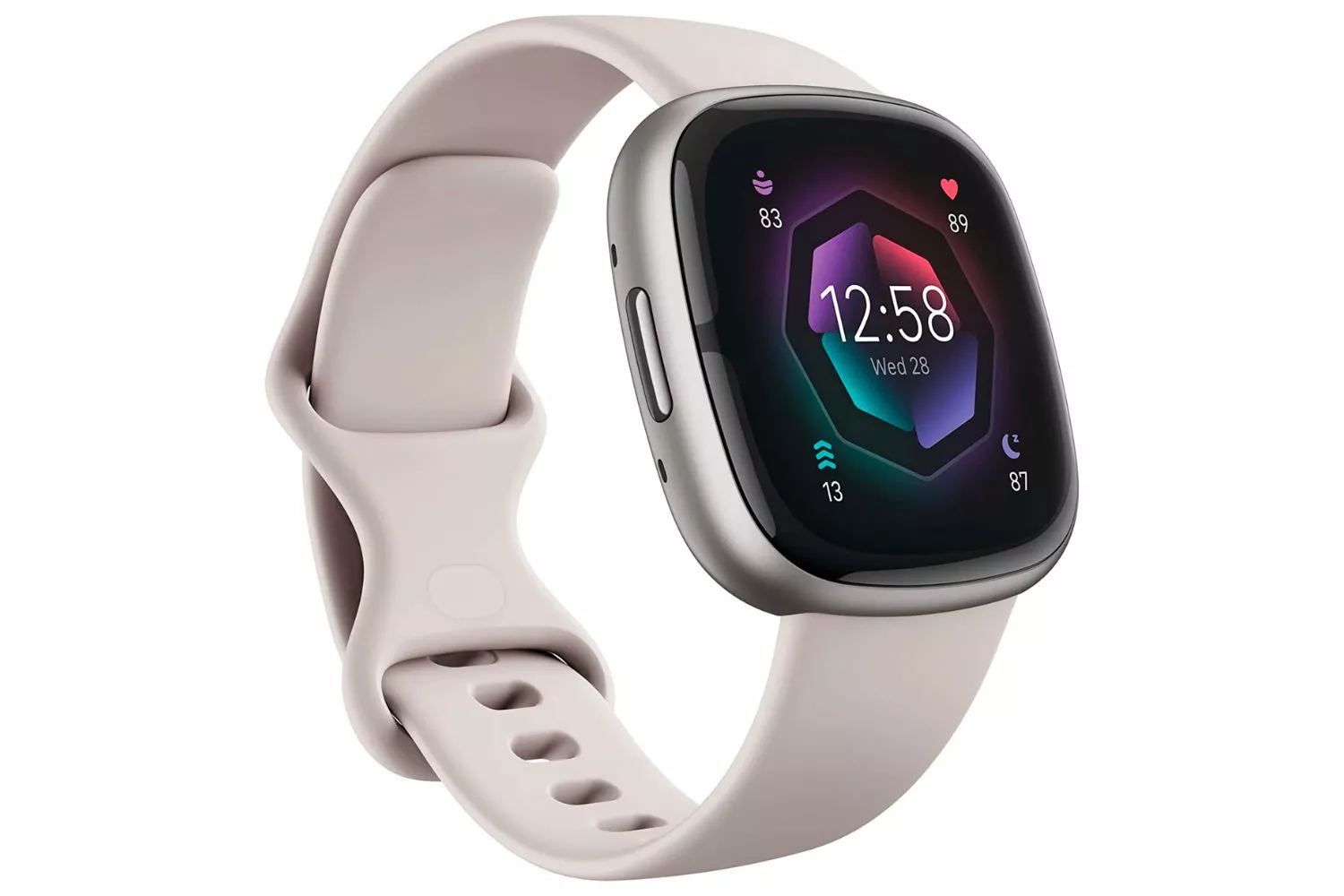
6. Fitbit Inspire 3: Best for Sleep Tracking
Weight and comfort are the two most important factors for overnight wear, making the Fitbit Inspire 3 one of the best comfortable heart rate monitor watches for sleep tracking. It is so light that you’ll often forget you’re wearing it. By using its optical pulse monitoring sensor throughout the night, it provides a detailed sleep cycle analysis, breaking down your time spent in light, deep, and REM sleep.
The Inspire 3 also provides a daily readiness score, which looks at your recent activity and sleep patterns to suggest whether you should tackle a tough workout or take a rest day. It is simple, effective, and the vibration alarms are a gentle way to wake up without disturbing your partner.
| Quick Spec | Details |
|---|---|
| Battery Life (Watch) | Up to 10 days |
| Weight | 17.6g |
| Sensor Generation | Fitbit Optical Heart Rate |
| Waterproof Rating | 50 meters |
- Who It’s For: People focused on recovery, sleep hygiene, and general wellness.
- Potential Flaws: The screen is very small, which can make reading text notifications frustrating.
7. Polar H10: The Gold Standard for High-Intensity
While this is technically a chest strap and not a watch, no list of heart rate monitors would be complete without the Polar H10. It is the benchmark against which every heart rate monitor watch is measured. For CrossFit, HIIT, or any sport involving rapid arm movements, wrist-based PPG sensors can sometimes lag or lose the signal.
The Polar H10 uses ECG sensors to provide millisecond-accurate Heart Rate Variability (HRV) and beat-to-beat data. While wrist-based optical sensors provide convenience, chest strap monitors such as the Polar H10 maintain a superior accuracy benchmark for intense physical activity with documented error rates as low as 0% to 0.83%. Many athletes choose to wear a watch for daily tracking but sync a Polar H10 to their watch during actual workouts for the best of both worlds.
| Quick Spec | Details |
|---|---|
| Battery Life | 400 hours (Replaceable CR2025) |
| Weight | 60g (with strap) |
| Sensor Type | ECG (Electrical) |
| Waterproof Rating | 30 meters |
- Who It’s For: Serious athletes who demand the highest possible precision during high-intensity training.
- Potential Flaws: Some people find the chest strap restrictive or uncomfortable during long sessions.
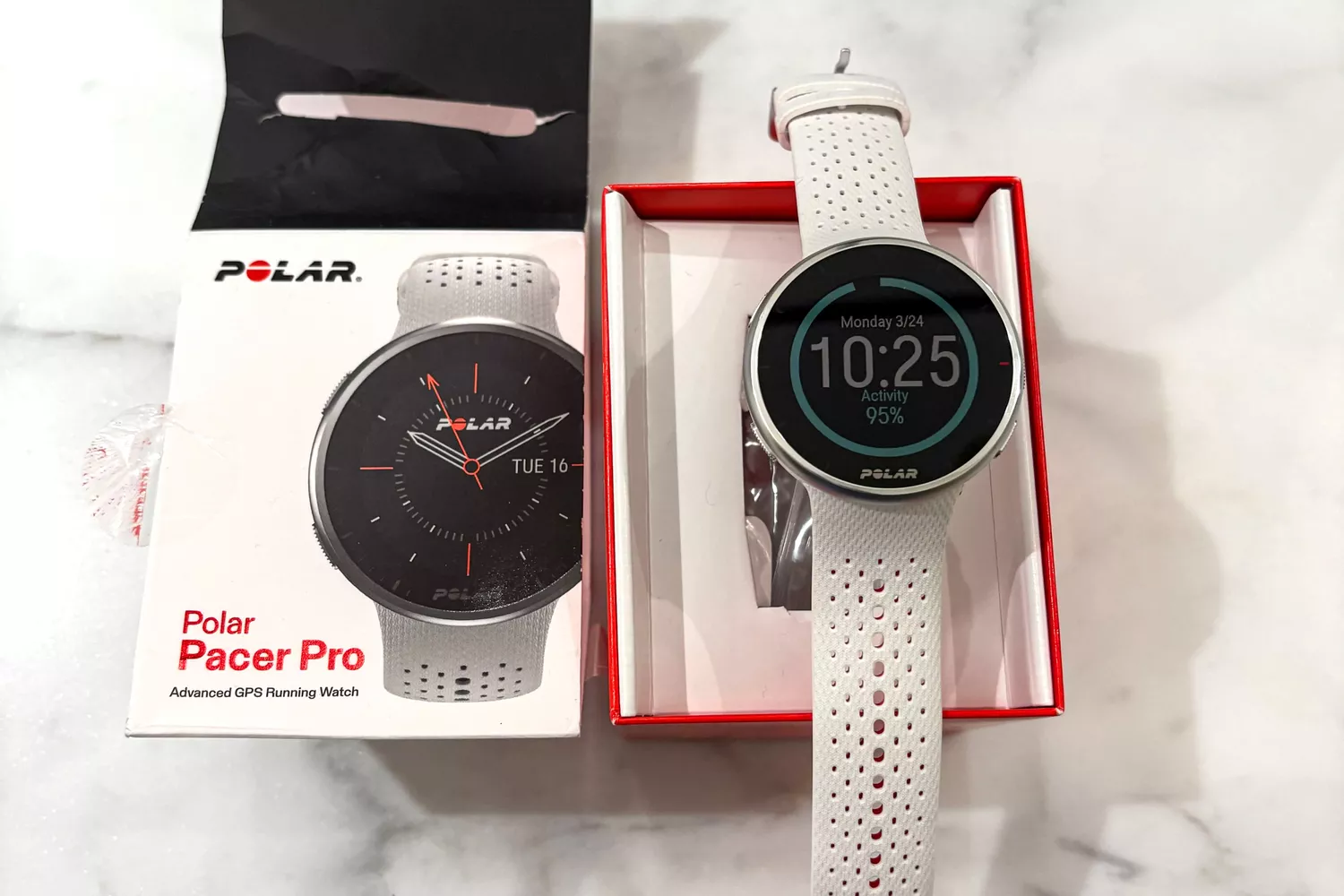
8. Coros Pace 4: Best Lightweight Design
Coros has made a name for itself by creating incredibly efficient, lightweight fitness watches. The Coros Pace 4 continues this trend, weighing in at only 37g. Despite the featherweight feel, it is packed with high-end features like dual-frequency GPS and an advanced optical pulse monitoring array.
The Pace 4 is an excellent accurate fitness watches option for those who find Garmin or Apple devices too bulky. It focuses on the essentials: accurate heart rate, long battery life, and a daily readiness score that helps you manage your energy levels. The digital dial is easy to use even with sweaty hands or gloves, making it a favorite for year-round training.
| Quick Spec | Details |
|---|---|
| Battery Life (Watch) | Up to 20 days |
| Weight | 37g |
| Sensor Generation | Coros Gen 2 Optical |
| Waterproof Rating | 5 ATM |
- Who It’s For: Runners and fitness enthusiasts who want a "weightless" feel on their wrist.
- Potential Flaws: It lacks many of the "smart" features found in Apple or Samsung watches, such as music streaming or contactless payments.
How to Choose the Right Heart Rate Monitor Watch
When choosing a heart rate monitor watch, evaluate key metrics such as heart rate variability (HRV), oxygen saturation (SpO2), and training load insights. Essential features to consider include battery life, which can range from 5 to 18 days, and integrated GPS for precise outdoor route tracking. Comfort is critical for consistent data collection; lightweight, ventilated, and sweat-resistant bands are recommended for 24/7 wear and intensive exercise.
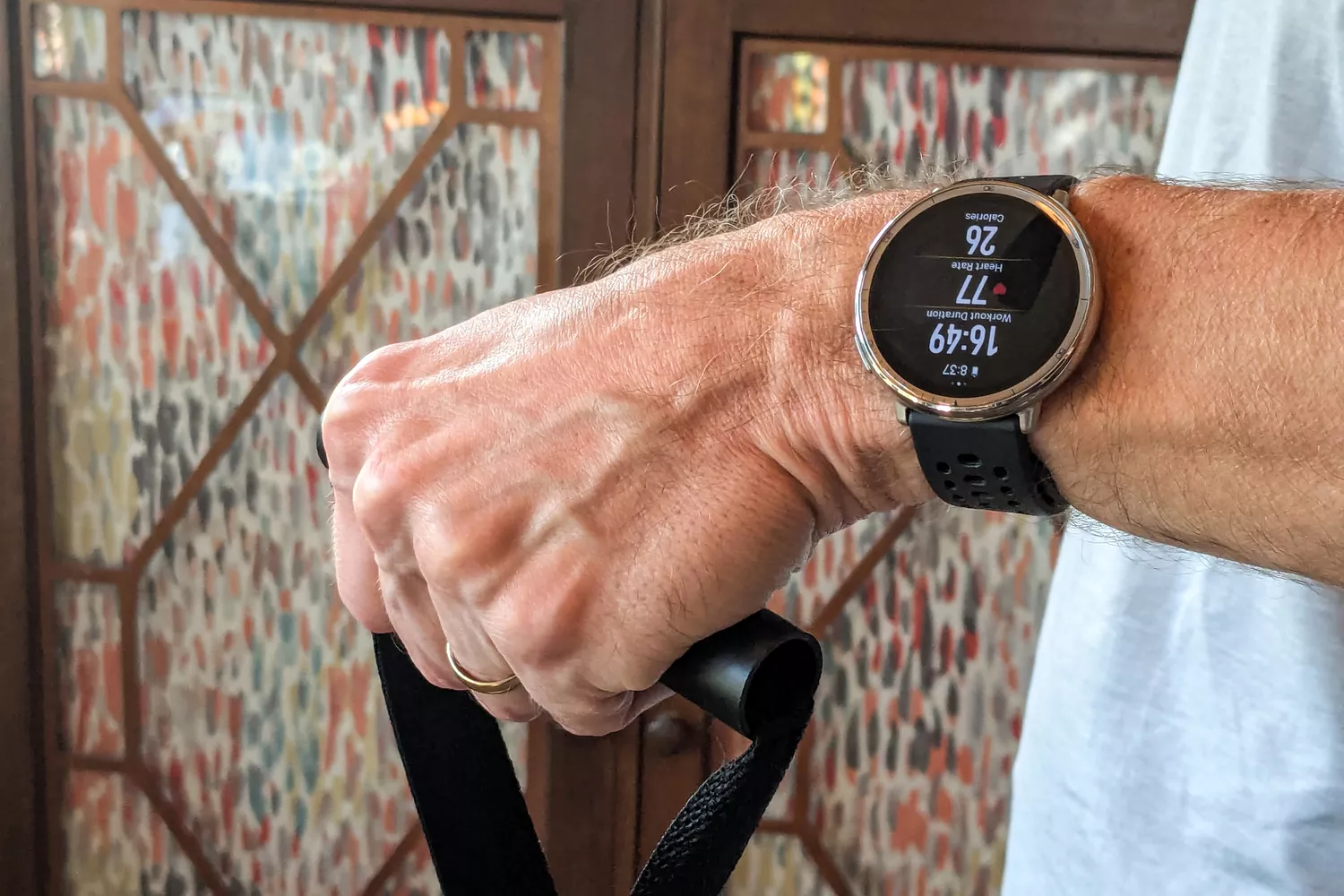
Think about your primary activity. If you are a runner, prioritize a watch with dual-band GPS and VO2 max estimations. if you are focused on general wellness, look for smart health insights through a companion mobile app that simplifies your data. Finally, consider connectivity; ensure your watch supports both Bluetooth and ANT+ if you plan on connecting it to external gym equipment or bike computers.
FAQ
How accurate are heart rate monitor watches?
Modern heart rate monitor watches are highly accurate for steady-state activities like walking or running, with many top models showing less than a 1.5% error rate compared to medical ECGs. However, accuracy can dip during activities with rapid wrist movement or if the watch is worn too loosely.
Is a chest strap more accurate than a wrist-based heart rate monitor?
Yes, chest straps remain the gold standard because they measure the electrical signals of the heart directly. While wrist-based sensors are excellent for 24/7 monitoring, chest straps are still preferred for high-intensity interval training (HIIT) where heart rate changes rapidly.
What features should I look for in a heart rate monitor watch?
Look for a combination of sensor quality, battery life, and comfort. Features like Heart Rate Variability (HRV), SpO2 monitoring, and integrated GPS are essential for a complete picture of your fitness. Also, ensure the watch has a waterproof rating if you plan to swim or sweat heavily.
Is it safe to wear a heart rate monitor watch all day?
It is perfectly safe to wear a heart rate monitor watch all day. These devices use low-power optical sensors that do not emit harmful radiation. Wearing the watch 24/7 allows the device to collect more data, providing better insights into your resting heart rate and sleep recovery.
How tight should a heart rate monitor watch be for an accurate reading?
The watch should be snug but comfortable, sitting about one to two finger-widths above your wrist bone. If you can slide more than one finger under the band, it is likely too loose and will result in "noise" or gaps in your heart rate data.