Quick Facts
- Top Overall: KSM-66 Ashwagandha is the gold standard for HPA-axis regulation and lowering serum cortisol.
- Best for Physical Tension: Magnesium Bisglycinate helps resolve nighttime jaw clenching and relaxes the nervous system.
- Best for Racing Thoughts: A combination of L-Theanine and Saffron extract addresses mental load and sleep onset latency.
- Clinical Insight: Approximately 81% of Americans have tried a natural sleep aid to manage their rest, yet success often depends on matching the supplement to the specific stress profile.
- Direct Answer: The best natural sleep supplements for stress insomnia work by lowering nighttime cortisol and supporting GABAergic activity to quiet the sympathetic nervous system.
Natural sleep supplements for stress-induced insomnia focus on regulating the HPA-axis and lowering cortisol levels. Clinically studied ingredients like ashwagandha and saffron extract help balance the body's stress response, while magnesium supports GABAergic activity to calm the nervous system. These remedies address the tired but wired state by promoting physical relaxation and reducing sleep onset latency without causing next-day grogginess.
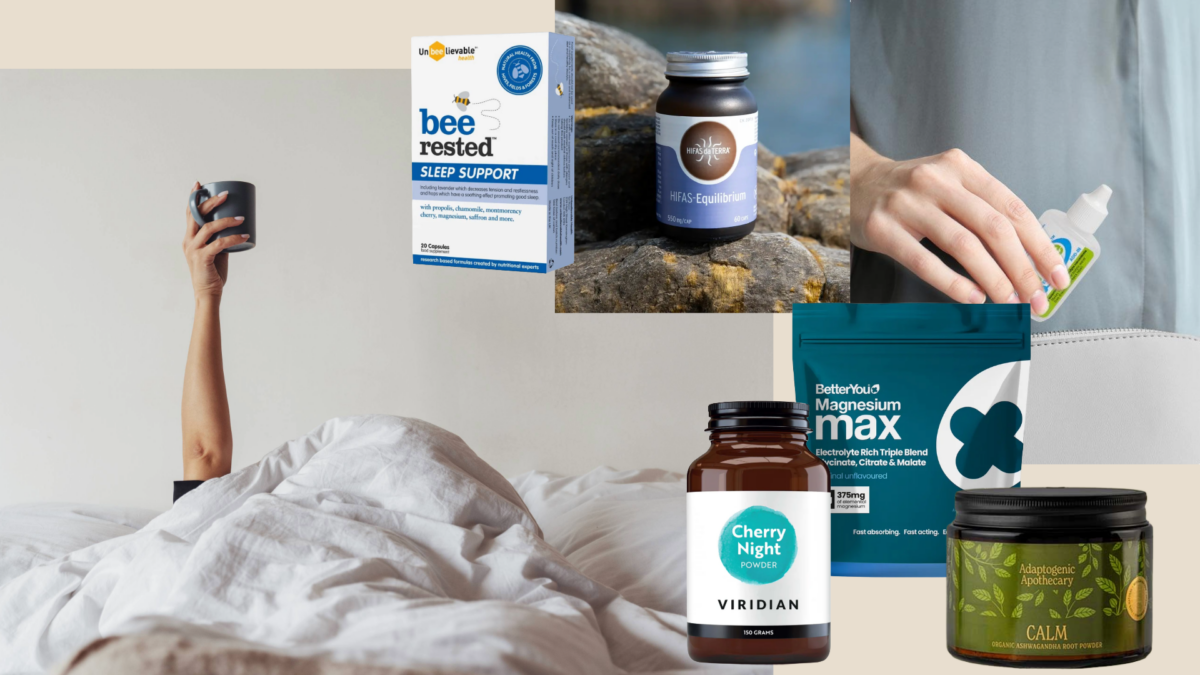
Understanding the 'Wired but Tired' Mechanism
Many of my readers describe a specific, frustrating sensation: you are exhausted after a long day, yet the moment your head hits the pillow, your heart begins to race, and your mind revisits every task left undone. This is the classic tired but wired state. It is not just a feeling; it is a physiological imbalance driven by the sympathetic nervous system. When we experience chronic stress, our HPA-axis regulation becomes compromised. Instead of cortisol levels dropping in the evening to allow melatonin to rise, they stay elevated or spike at inappropriate times.
This hormonal dysregulation prevents the transition into restorative REM sleep. Chronic stress keeps the body in a state of high alert, as if a predator were outside the tent. While traditional sedatives might force the brain into unconsciousness, they often fail to address the underlying adrenal fatigue support needed to reset the body's rhythm. Natural remedies for stress insomnia aim to modulate this response, allowing the body to feel safe enough to enter deep, restorative sleep cycles.
1. Ashwagandha: The Gold Standard for Cortisol Regulation
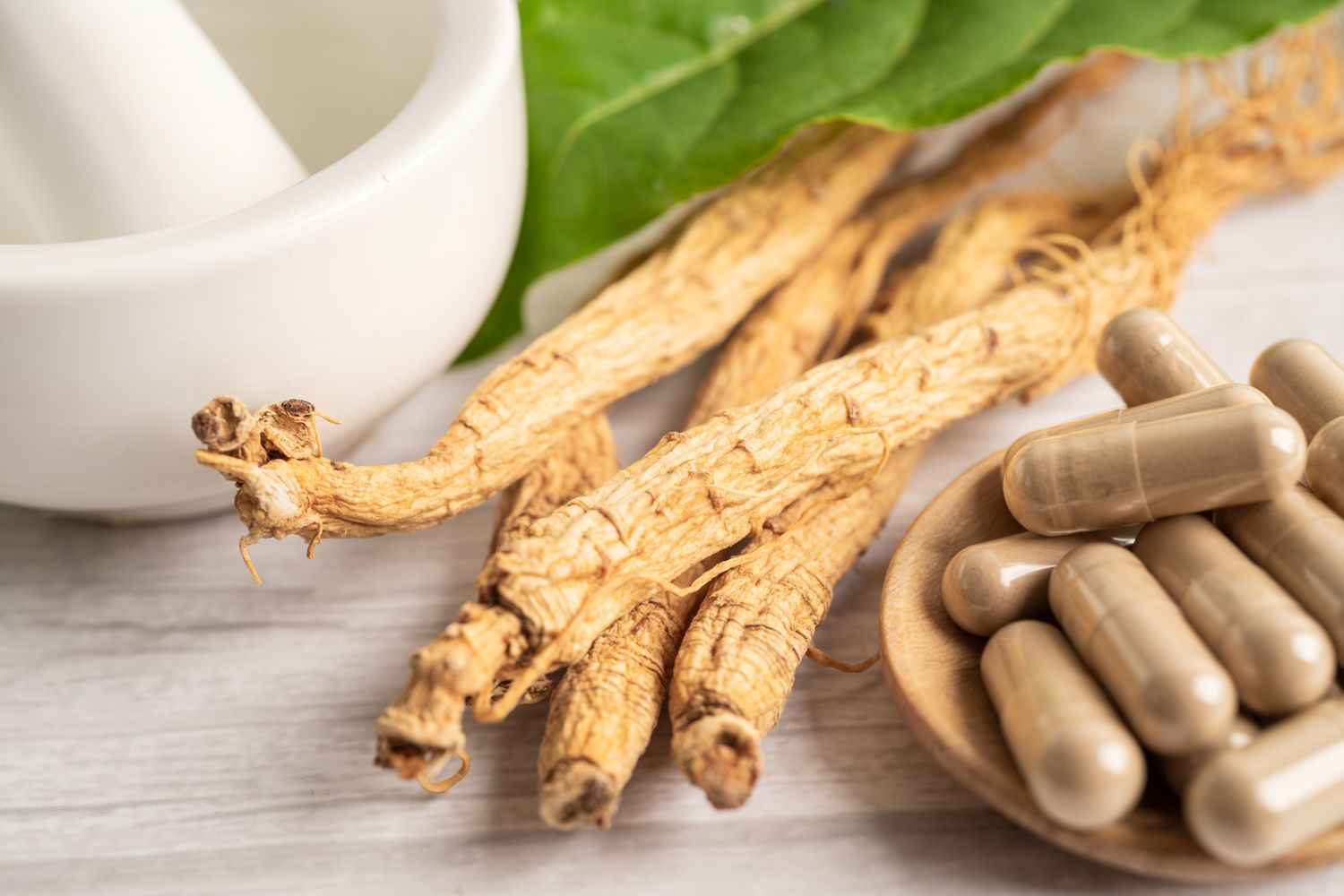
Ashwagandha is perhaps the most well-known of the adaptogens for sleep support. Unlike direct sedatives, ashwagandha works by sensitizing cortisol receptors and balancing the output of the adrenal glands. This botanical extract is particularly effective for those whose stress manifests as a constant state of high-alert. In my editorial review of clinical data, the most compelling evidence comes from standardized extracts like KSM-66 and Shoden, which offer high bioavailability.
Research indicates that ashwagandha supplementation significantly improves overall sleep quality and reduces serum cortisol levels. One specific systematic review showed the most prominent benefits when participants took 600 mg per day for at least 8 weeks. Because it works on the HPA-axis regulation, it usually takes two to four weeks of consistent use to feel the full effects. It is an excellent choice for natural sleep supplements for women with high cortisol who find themselves waking up at 3 am with a pounding heart.
Symptom-Supplement Match: The Cortisol Spiker
- Primary Symptom: Waking up between 2 am and 4 am feeling alert or anxious.
- The Solution: Ashwagandha (KSM-66).
- Why it works: It smooths out the cortisol curve so your body doesn't "panic" in the middle of the night.
2. Magnesium: Ending the Cycle of Physical Tension
Stress is not just a mental state; it is a physical one. When the body is under pressure, it burns through mineral stores at an accelerated rate. Magnesium is often the first to go. This mineral is essential for over 300 biochemical reactions, including the regulation of GABAergic activity. Without enough magnesium, your muscles stay guarded, leading to nighttime jaw clenching and tension.
I often recommend magnesium powder for nighttime jaw clenching and tension because of its rapid absorption. Specifically, magnesium bisglycinate is the preferred form for sleep because the magnesium is bound to glycine, an amino acid that also promotes relaxation. By supporting the parasympathetic nervous system, magnesium helps the body move out of "fight or flight" mode. It also plays a vital role in circadian rhythm alignment by helping the body regulate the timing of melatonin production.
3. L-Theanine and Saffron: Silencing Racing Thoughts
If your insomnia is driven by a mental load that won't quit, the combination of L-Theanine and Saffron may be your best natural melatonin alternatives for stress induced insomnia. L-Theanine is an amino acid found in green tea that promotes alpha-wave brain activity—the state associated with "quiet alertness" or meditation. It helps increase levels of GABA, serotonin, and dopamine in the brain, effectively quieting the mental chatter.
Saffron extract has recently emerged as a powerhouse for emotional resilience and sleep. Clinical trials have shown that it can significantly reduce sleep onset latency, helping people fall asleep faster without the heavy, drugged feeling of over-the-counter aids. For those looking for herbal remedies for 3am waking and racing thoughts, these two ingredients work synergistically to lower the emotional "volume" of stress, making it easier to drift off.
Naomi’s Pro-Tip: While melatonin is a popular choice, it is often misused. A meta-analysis revealed that melatonin supplementation only reduced the time taken to fall asleep by an average of 7 minutes. If your issue is stress, focusing on GABA and cortisol is often more effective than just adding more melatonin.
4. Functional Mushrooms: Reishi and Lion's Mane
The use of functional mushroom blends for nervous system support has moved from ancient tradition to modern clinical interest. Reishi, often called the "mushroom of immortality," is highly regarded in traditional Chinese medicine for its ability to "calm the shen" or spirit. From a botanical perspective, Reishi contains triterpenes that have a soothing effect on the nervous system.
Unlike a sleeping pill, Reishi works cumulatively. It helps build systemic resilience, making your nervous system less reactive to daily stressors. When combined with Lion’s Mane—which supports nerve growth factor and cognitive clarity—it can help prevent the brain fog that often accompanies stress-induced sleep deprivation. This combination is ideal for maintaining a healthy circadian rhythm alignment over the long term.
5. Glycine: The Cooling Amino Acid
Glycine is a simple amino acid with a profound impact on sleep architecture. One of the ways the body prepares for deep sleep is by dropping its core temperature. Stress can interfere with this thermoregulation, keeping you "hot" and restless. Taking 3 grams of glycine before bed has been shown to improve sleep quality by facilitating this temperature drop. Furthermore, glycine helps with morning clarity, as it does not cause the lingering grogginess associated with many pharmaceutical sleep aids.
6. Valerian Root: The Traditional Sedative
Valerian is one of the most researched natural remedies for stress insomnia. It is particularly effective for those experiencing sleep latency issues due to hormonal shifts, such as during menopause. It works primarily by inhibiting the breakdown of GABA in the brain. While it has a distinct earthy scent that some find off-putting, its efficacy in shortening the time it takes to fall asleep is well-documented in botanical literature.
7. Holy Basil (Tulsi): The Morning-Night Balancer
Holy Basil is an Ayurvedic herb that excels at balancing cortisol cycles. In my experience, it is one of the best adaptogens for sleep and stress regulation for individuals who feel "frazzled" all day and "wide awake" at night. It helps the body respond more temperately to emotional stress, preventing the sympathetic nervous system from over-firing. Drinking Tulsi tea in the evening can be a powerful ritual to signal to the brain that the day's demands are over.
Supplement Comparison Summary
| Ingredient | Best For | Clinical Dosage | Form |
|---|---|---|---|
| Ashwagandha (KSM-66) | Cortisol & HPA-axis | 600mg | Capsule |
| Magnesium Bisglycinate | Physical Tension & Jaw Clenching | 200-400mg | Powder / Capsule |
| L-Theanine | Racing Thoughts | 200mg | Capsule |
| Saffron Extract | Sleep Onset & Mood | 28-30mg | Capsule |
| Reishi Mushroom | Nervous System Resilience | 500-1000mg | Powder / Tincture |
| Glycine | Core Temp & Deep Sleep | 3g | Powder |
| Valerian Root | Sleep Latency | 300-600mg | Capsule / Tea |
The Day-to-Night Action Plan
To truly resolve stress-induced insomnia, timing is everything. You cannot expect a single pill at 10 pm to undo 14 hours of high-intensity stress. I recommend a "layered" approach to natural sleep supplements:
- Morning: Take your adaptogens like Ashwagandha or Holy Basil with breakfast. This begins the process of HPA-axis regulation early in the day, preventing the massive evening cortisol spikes.
- Late Afternoon: If you feel a "second wind" of stress, a dose of L-Theanine can help bridge the gap without making you sleepy during work.
- Evening (1 hour before bed): Use magnesium powder and glycine. This targets physical relaxation and prepares your core temperature for sleep.
- Consistency: Remember that botanical extracts are not "on-off" switches. Give these natural remedies for stress insomnia at least two weeks to accumulate in your system and begin recalibrating your sympathetic nervous system.
Safety, Purity, and Medical Precautions
While natural sleep supplements are generally safer than prescription alternatives, they are not without risks. Because many of these herbs interact with neurotransmitters like GABA and serotonin, they should not be combined with alcohol or prescription sedatives without medical supervision.
Always look for third-party purity testing (such as NSF or USP) to ensure the product contains what is listed on the label. High-purity supplement labels will clearly state the concentration of active compounds, such as withanolides in ashwagandha or safranal in saffron. Finally, if your insomnia persists despite these interventions, it is vital to see a doctor to rule out underlying conditions like sleep apnea or clinical depression.
FAQ
What are the most effective natural sleep supplements?
The most effective supplements are those that match your specific stress profile. For hormonal stress and high cortisol, KSM-66 Ashwagandha is highly effective. For physical tension and muscle tightness, magnesium bisglycinate is the gold standard. For mental chatter, a combination of L-Theanine and Saffron often provides the best results.
Are natural sleep aids safe to take every night?
Most natural sleep supplements like magnesium and glycine are safe for nightly use as they provide essential nutrients the body uses daily. However, for adaptogens like ashwagandha or sedative herbs like valerian, many practitioners recommend a "cycling" approach—taking them for five days and off for two, or for three months on and one month off—to maintain the body's natural responsiveness.
Which natural sleep supplement is best for staying asleep?
Staying asleep is often a matter of blood sugar stability and cortisol regulation. Ashwagandha is excellent for preventing the 3 am cortisol spike that causes mid-night waking. Additionally, Reishi mushroom supports deeper, more sustained sleep cycles by calming the nervous system throughout the night.
Do natural sleep supplements cause morning grogginess?
Most natural options, particularly amino acids like L-Theanine and glycine, are known for a "clean" wake-up. Unlike pharmaceutical sleep aids that have a long half-life, these supplements support the body's natural processes. In fact, glycine has been shown in studies to improve subjective alertness and "clear-headedness" the following morning.
Can natural sleep supplements interact with other medications?
Yes, certain supplements can interact with medications. For example, ashwagandha may affect thyroid hormone levels or interact with immunosuppressants. Valerian and magnesium can enhance the effects of sedative drugs. Always consult with a healthcare provider, especially if you are taking medication for blood pressure, diabetes, or depression.