Quick Facts
- Top Synergy: Vitamin D3 and K2 work together to manage calcium distribution, supporting bone density and cardiovascular health.
- Master Antioxidant: Liposomal glutathione provides high-efficacy support for cellular detoxification and mitochondrial health.
- Stress Management: Magnesium, specifically in ionic magnesium citrate form, is essential for over 300 biochemical reactions including sleep and nervous system regulation.
- Cognitive Support: Consistent use of multi-nutrient formulas has been linked to a significant reduction in the rate of cognitive aging.
- Quality Assurance: Only choose third-party tested vitamins and supplements that offer a public Certificate of Analysis (COA) to ensure ingredient purity.
Modern lifestyles often leave us with significant nutritional gaps. Finding the best daily supplements is no longer just about filling a bottle—it’s about choosing high-efficacy daily supplements backed by clinical research to optimize long-term health. The best daily supplements for overall health often include a combination of high-efficacy nutrients such as Vitamin D3 and K2 for bone and cardiovascular support, magnesium for stress and sleep, and broad-spectrum multivitamins to bridge nutritional gaps. Advanced formulas like liposomal glutathione offer enhanced bioavailability for cellular detoxification, while functional mushrooms like Turkey Tail support immune system resilience. Choosing third-party tested products ensures purity and potency for a baseline wellness routine.
The Nutrient Gap: Why Daily Supplementation Is Essential in 2026
As we move deeper into 2026, the conversation around health has shifted from basic survival to longevity science. We are no longer just trying to avoid scurvy; we are trying to optimize our cellular function for the next forty years. However, our modern environment makes this difficult. Soil depletion has significantly reduced the mineral density of our produce, meaning an apple today does not contain the same nutrient profile as an apple from 1950.
Furthermore, current data indicates that a vast majority of the population is failing to meet even basic requirements. According to data from the National Health and Nutrition Examination Survey, approximately 57.6% of U.S. adults aged 20 and over report using at least one dietary supplement. This high usage reflects a growing awareness of nutritional gaps caused by processed diets and high-stress lifestyles. For the modern individual, using clinically-backed health supplements is a strategic necessity to maintain a biological baseline. This is especially true for best daily supplements for busy professionals who may not always have the time to prep nutrient-dense, whole-food meals three times a day.
1. Vitamin D3 + K2: The Essential Synergy
The combination of Vitamin D3 and K2 is highly recommended because these two nutrients work synergistically to manage calcium distribution in the body. While Vitamin D3 facilitates calcium absorption, Vitamin K2 ensures that the calcium is directed to the bones and teeth rather than accumulating in the arteries. This dual action supports optimal bone density and cardiovascular health, making it a staple for those seeking evidence-based daily supplementation.
The benefits of vitamin d3 and k2 combination cannot be overstated in an era where many people spend 90% of their time indoors. Vitamin D acts more like a hormone than a vitamin, influencing immune function and mood. However, taking D3 in isolation can be counterproductive. Without sufficient K2, the extra calcium absorbed by D3 can end up in your soft tissues, leading to arterial calcification. By using bioactive compounds that include both, you ensure that the calcium reaches the skeletal system where it is needed.
Mechanism of Action: The Calcium Traffic Controller Vitamin D3 stimulates the production of Vitamin K-dependent proteins like osteocalcin. However, these proteins are "inactive" until Vitamin K2 arrives to activate them through a process called carboxylation. Once activated, they grab calcium from the blood and lock it into the bone matrix.
2. Magnesium: The 300-Enzyme Master Mineral
Magnesium is often called the master mineral because it is a co-factor in over 300 enzymatic reactions. Despite its importance, nearly half of the population is estimated to be deficient. For those looking for the best daily supplements, magnesium should be at the top of the list, particularly for its role in modulating the stress response and promoting restorative sleep.
When selecting a form, bioavailability is the most important factor. Standard magnesium oxide is poorly absorbed and often causes digestive upset. Instead, look for forms like magnesium glycinate for relaxation or ionic magnesium citrate for general cellular support. These forms are more easily recognized by the body, allowing for better transport across the intestinal wall. Utilizing the best magnesium supplements for stress and sleep can help regulate the nervous system, lowering cortisol levels and preparing the brain for deep, non-REM sleep cycles.

3. Liposomal Glutathione: Targeted Cellular Detox
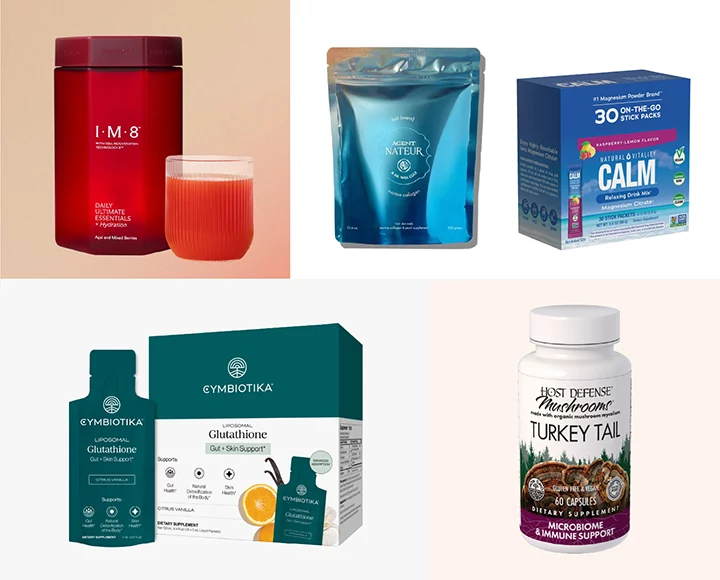
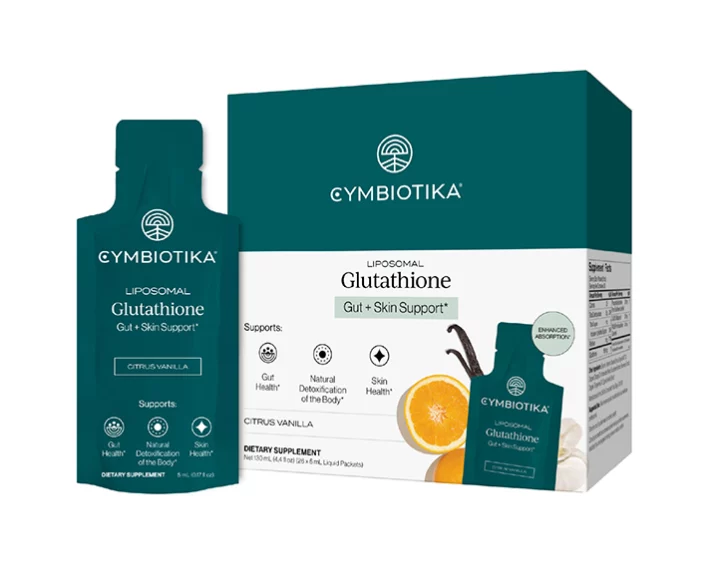
Glutathione is known as the master antioxidant because it is found in high concentrations in every cell in the human body. It is the primary engine for cellular detoxification and mitochondrial health. However, oral glutathione is notoriously difficult to absorb because it is often broken down by stomach acid before it can reach the bloodstream.
This is where liposomal glutathione for cellular health changes the game. Liposomal technology involves wrapping the nutrient in a tiny sphere of phospholipids—the same material your cell membranes are made of. This allows the glutathione to bypass the harsh environment of the digestive tract and be delivered directly into the cells. This high-efficacy daily supplements approach ensures that your body actually receives the antioxidant support it needs to fight oxidative stress and support liver function.
Mechanism of Action: Liposomal Delivery Liposomes act as a "Trojan Horse." Because the outer layer is made of fats (lipids), the body treats the liposome as a nutrient rather than a foreign substance, allowing it to merge with cell membranes and release the active glutathione directly into the cytoplasm.

4. Multi-Nutrient Formulas for Cognitive Longevity
For years, the medical community debated the efficacy of daily multivitamins. However, recent clinical evidence has provided a much clearer picture of their value for long-term brain health. Findings from the COSMOS-Mind clinical trial suggest that daily multivitamin supplementation for three years may slow the rate of cognitive aging by approximately 60% in adults aged 65 and older.
For the best daily supplements for busy professionals, a high-quality multi-nutrient formula acts as a nutritional insurance policy. It covers the micro-deficiencies that accumulate over time. When looking for a formula, avoid "one-size-fits-all" supermarket brands. Instead, prioritize those that use methylated vitamins and standardized extracts. These advanced formulations ensure that even if you have genetic variations (like MTHFR), your body can still utilize the nutrients provided.
5. Functional Mushrooms and Curcumin: Immune & Inflammation Support
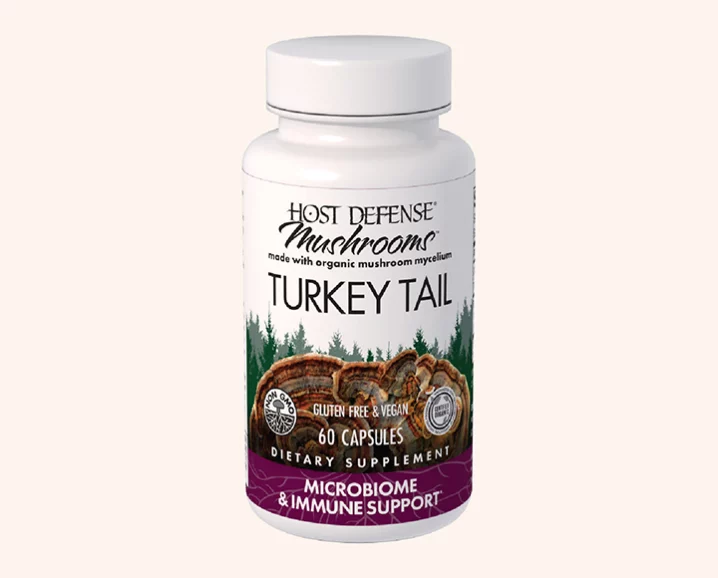
The use of functional mushrooms like Turkey Tail and Reishi has moved from traditional medicine to mainstream longevity science. Turkey Tail, in particular, contains polysaccharopeptides (PSP and PSK) which provide effective supplements for immune system support by modulating the activity of white blood cells.
When paired with Curcumin—the active compound in turmeric—you create a powerful defense against systemic inflammation. The challenge with Curcumin has always been bioavailability. Curcumin is naturally poorly absorbed. However, when combined with Piperine (black pepper extract), its absorption is increased by up to 2,000%. High-quality supplements will always include these types of standardized extracts to ensure you are getting a therapeutic dose rather than just "label dressing."
6. Omega-3 and Marine Collagen: The Longevity Foundation
Omega-3 fatty acids (EPA and DHA) are foundational for reducing systemic inflammation and supporting cardiovascular health. Since the body cannot produce these essential fats on its own, daily intake is vital. High-efficacy daily supplements in this category should be molecularly distilled to remove heavy metals and toxins, ensuring a pure product.
Marine collagen complements this by providing the structural building blocks for skin, hair, and joints. As we age, our natural collagen production drops significantly. By supplementing with marine-sourced collagen, which has a smaller molecular size and better absorption than bovine collagen, you support functional beauty from the inside out. This combination is essential for maintaining both structural integrity and a healthy inflammatory response as part of a daily wellness routine.
7. Methylated B-Vitamins: Energy at the Genetic Level
Energy production begins in the mitochondria, and B-vitamins are the fuel. However, many people carry genetic mutations that prevent them from converting standard B-vitamins (like folic acid) into their active forms. This is why clinicians now prioritize methylated B-vitamins.
Using clinically-backed health supplements that contain methylcobalamin (B12) and methylfolate ensures that the nutrients are "bio-ready." This is critical for neurotransmitter synthesis and homocysteine regulation. By choosing the methylated form, you bypass the genetic "bottleneck," ensuring your brain and body have the energy required for peak performance.
How to Verify Quality: COAs and Third-Party Testing
The supplement industry is not regulated as strictly as pharmaceuticals, which means the burden of verification lies with the consumer. To choose high-quality supplements, prioritize products that undergo rigorous third-party testing and provide a Certificate of Analysis (COA) to verify ingredient accuracy and purity. A COA is a document issued by an independent lab that confirms the product contains exactly what is on the label and is free from contaminants like heavy metals or mold.
When shopping for third-party tested vitamins and supplements, look for specific seals on the packaging. Use the table below to understand what these certifications mean for your safety.
| Certification | Focus Area | What It Guarantees |
|---|---|---|
| USP (U.S. Pharmacopeia) | Purity & Potency | Verifies that the product contains the ingredients listed in the correct amounts and will break down properly in the body. |
| NSF International | Safety & Sport | Ensures the product does not contain any of over 270 substances banned by major athletic organizations. |
| GMP (Good Manufacturing Practice) | Quality Control | Confirms that the manufacturer follows strict hygiene and process standards set by regulatory agencies. |

FAQ
What are the most important supplements to take daily?
For most people, the foundation of a solid routine includes Vitamin D3 + K2, a high-quality Magnesium, and an Omega-3 fatty acid. These three address the most common nutritional gaps found in modern diets and support heart, bone, and brain health simultaneously.
Is it better to take vitamins in the morning or at night?
It depends on the specific nutrient. B-vitamins and multivitamins are best taken in the morning as they support energy metabolism. Magnesium is often better taken in the evening due to its calming effect on the nervous system. Always take fat-soluble vitamins (A, D, E, K) with a meal containing healthy fats for better absorption.
Are there any risks to taking supplements every day?
While most daily supplements are safe, the risk lies in "over-supplementing" or mixing certain nutrients with prescription medications. Fat-soluble vitamins can build up in the body over time. It is essential to follow dosage guidelines and consult with a healthcare professional, especially if you have underlying health conditions.
How do I know if my daily supplements are actually working?
Some effects, like improved sleep from magnesium, may be felt within days. However, most clinically-backed health supplements work on a cellular level over weeks or months. You might notice subtle shifts in energy, skin clarity, or immune resilience. For data-driven results, consider getting blood work done before and three months after starting a new routine.
Which supplements should not be taken together?
Calcium and iron should not be taken at the same time as they compete for the same absorption pathways. Similarly, high doses of zinc can interfere with copper absorption. It is usually best to space these out by at least two hours to maximize bioavailability.