Quick Facts
- Best OTC for Beginners: Dexcom Stelo (First FDA-cleared for non-diabetics)
- Highest Accuracy: Dexcom G7 (8.2% MARD)
- Smallest Form Factor: FreeStyle Libre 3 Plus
- Longest Wear Time: Eversense 365 (12-month implantable)
- Cost Efficiency: Dexcom Stelo ($89/month subscription)
- Actionable Insight: A 10-15 min post-meal walk can reduce spikes by 40%
- Key Metric: Aim for Time in Range (TIR) between 3.9 to 5.6 mmol/L for metabolic health
For healthy adults, a continuous glucose monitor provides real-time data on glycemic variability and postprandial spikes, which are often missed by standard blood tests. These insights help users understand how specific foods and exercise routines impact their metabolic health. Over-the-counter options like the Dexcom Stelo allow non-diabetics to use this biometric data for personalized nutrition and biohacking without a prescription.
Are glucose monitors the best new wearable for your health? In 2026, the continuous glucose monitor (CGM) has evolved from a medical necessity into a powerful tool for metabolic health monitoring. Unlike standard fitness trackers, these sensors provide a direct window into your insulin sensitivity and glycemic variability. For healthy adults, using a continuous glucose monitor offers real-time data on postprandial spikes, helping you master personalized nutrition and biohacking. By measuring glucose in the interstitial fluid every 1-5 minutes, these devices act as a glucose biosensor for personalized health optimization.
The Shift: CGM vs Fitness Trackers for Metabolic Health
For the past decade, the wearable market has been dominated by devices that track external activity. We have mastered counting steps, monitoring heart rate variability, and tracking sleep cycles. However, these metrics only tell half the story. They measure what your body is doing on the outside, but they offer little insight into the internal biological response to the fuel you consume. This is where metabolic health monitoring tools represent a paradigm shift.
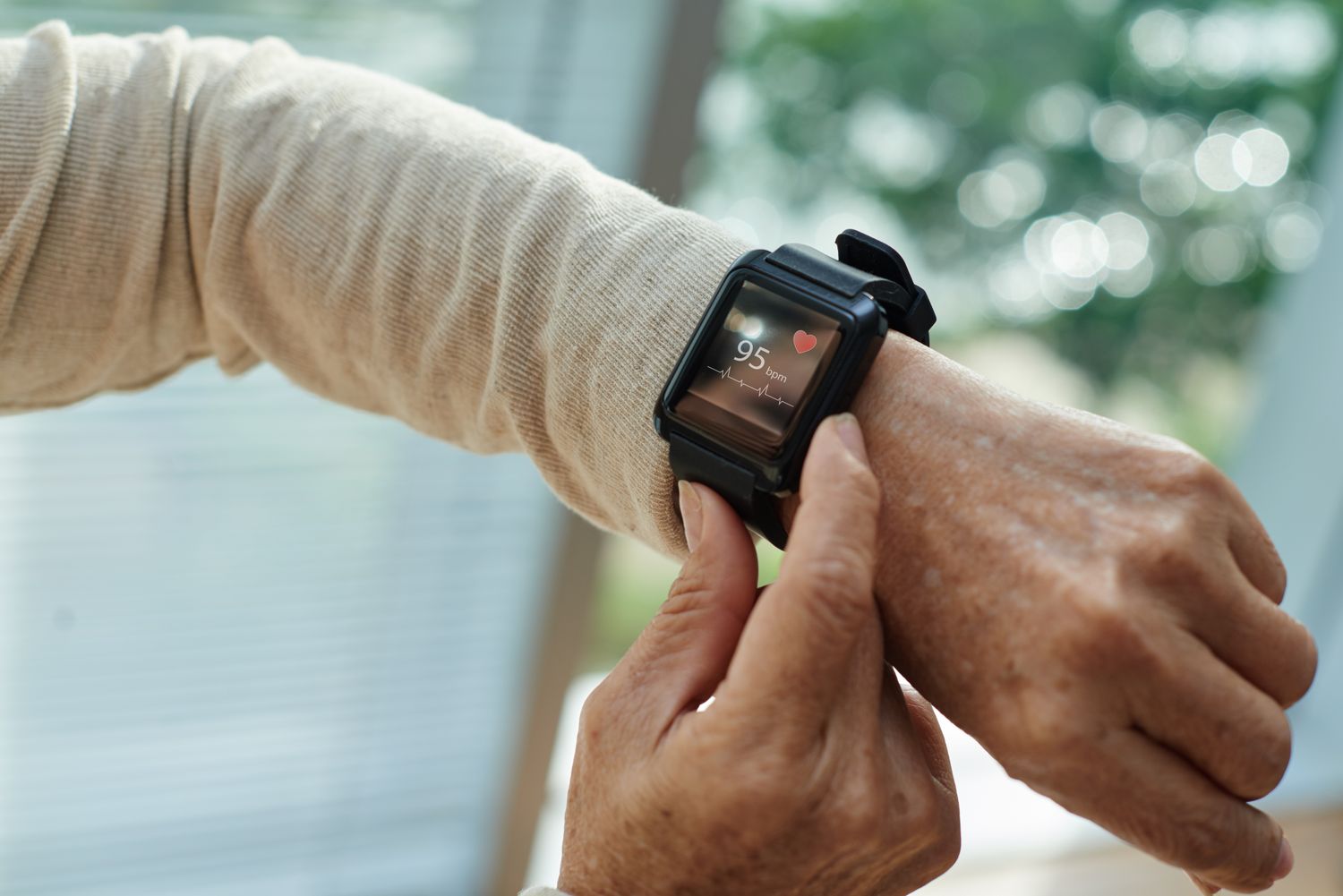
Traditional fitness trackers measure physical output. A continuous glucose monitor measures the metabolic consequence of that output. While your Apple Watch might tell you that you burned 500 calories during a HIIT session, a glucose biosensor reveals how your body managed its fuel stores and whether your post-workout meal caused a massive surge in insulin. This data is the next step in the biohacking evolution because it allows for metabolic fingerprinting—the ability to see exactly how your unique biology reacts to a bowl of oatmeal versus a slice of sourdough.
The data supports this shift toward internal monitoring. Approximately one in five individuals who utilize continuous glucose monitors wear the devices for health and wellness reasons unrelated to a diagnosed medical condition such as diabetes. This trend is driven by the realization that metabolic flexibility—the ability of the body to switch efficiently between burning carbohydrates and fats—is a cornerstone of longevity. The global continuous glucose monitoring market is projected to grow from approximately $15.33 billion in 2026 to $31.38 billion by 2031, reflecting a massive surge in demand from the wellness community.
Top 2026 Continuous Glucose Monitors: A Comparison
Choosing a continuous glucose monitor for health optimization requires looking at different benchmarks than a patient with Type 1 diabetes might prioritize. While safety is always paramount, wellness users often focus on MARD accuracy, smartphone integration, and sensor longevity.
| Feature | Dexcom Stelo | Dexcom G7 | FreeStyle Libre 3 Plus | Eversense 365 |
|---|---|---|---|---|
| Primary Audience | Non-diabetics / Type 2 | Medical / High-Performance | Lifestyle / Discreet | Long-term Biohackers |
| MARD Accuracy | ~9.0% | 8.2% | 9.2% | ~8.5% |
| Warm-up Time | 30 Minutes | 25 Minutes | 60 Minutes | N/A (Implant) |
| Sensor Life | 15 Days | 10 Days (+12hr grace) | 15 Days | 365 Days |
| FDA Status | OTC (Over-the-Counter) | Prescription | Prescription | Prescription |
The Dexcom Stelo has become the gold standard for those asking are glucose monitors worth it for healthy adults because it removes the barrier of a prescription. It provides a streamlined interface focused on identifying postprandial spikes rather than medical alerts. However, for those seeking the absolute highest precision, the Dexcom G7 remains the leader in MARD accuracy, which measures the average difference between the sensor reading and a clinical lab reference.
Editor's Note: Safety Alert On February 4, 2026, Abbott issued a voluntary recall for specific lots of the FreeStyle Libre 3 Plus sensors due to a firmware glitch that occasionally caused overestimated glucose readings. If you are using a Libre 3, check your serial number against the manufacturer’s database to ensure your biometric data remains reliable.
For the dedicated long-term user, the Eversense 365 offers a unique solution. Instead of a patch that must be changed every two weeks, this is a year-long implantable sensor. While it requires a minor office procedure for insertion, it eliminates the "sensor anxiety" associated with adhesive patches falling off during intense exercise or swimming.
Turning Data into Results: The Metabolic Protocol
Owning a continuous glucose monitor is useless if you do not know how to interpret the glycemic variability displayed on your screen. The goal for a healthy adult is not a flat line—glucose should rise after eating—but rather a controlled curve that returns to baseline quickly. This indicates high insulin sensitivity and good metabolic health.
When starting your journey, I recommend a "Baseline Week." During this time, do not change your diet. Simply observe. You might discover that the "healthy" brown rice you eat for lunch causes a spike comparable to a sugary soda, while a potato with skin-on does not. This is personalized nutrition in action. Once you have your baseline, you can begin implementing the following protocols to optimize your blood sugar tracking for wellness:
- The Post-Meal Movement: A 10-15 minute walk post-meal reduces spikes by 40% by engaging the GLUT4 transporters in your muscles to pull glucose out of the bloodstream without requiring massive amounts of insulin.
- The Food Sequencing Rule: Eat fiber first, then protein and fats, and save complex carbohydrates for last. This slows gastric emptying and dampens the glucose response.
- The Vinegar Hack: Consuming a tablespoon of apple cider vinegar in water before a carb-heavy meal can improve insulin sensitivity and lower the subsequent spike.
- Integration with Other Wearables: Use an Apple Watch or Oura Ring to correlate your glucose data with your physical activity. High stress levels can cause a glucose rise even in the absence of food, a phenomenon known as the "dawn effect" or a stress-induced spike.
Blood sugar monitoring for optimizing athletic performance is another burgeoning field. Athletes use a continuous glucose monitor to ensure they are properly fueled before a race and to prevent the "bonk" associated with glycogen depletion. By maintaining a steady supply of glucose, you can sustain higher intensity for longer durations.
Accuracy and Limitations: What the Data Doesn't Tell You
Despite the technological leaps in 2026, it is important to understand what a continuous glucose monitor is and what it isn't. These devices measure glucose in the interstitial fluid—the fluid surrounding your cells—not directly in the blood. Because of this, there is a "lag time" of approximately 5 to 15 minutes. If you drink a sugary beverage, your finger-prick blood test will show the rise faster than your sensor.
Furthermore, most over-the-counter models like the Dexcom Stelo lack the loud hypoglycemia alarms found on medical-grade versions. This is an intentional design choice for the wellness market, but it means these devices should not be used by individuals with brittle diabetes who require life-saving alerts.
Finally, while a continuous glucose monitor is an incredible tool for health optimization, it is only one piece of the puzzle. It does not measure inflammation, lipid profiles, or hormone levels. Use it as a guide to behavior change, not as the sole metric of your worth as a healthy individual.
FAQ
How does a continuous glucose monitor work?
A continuous glucose monitor uses a tiny filament inserted under the skin to measure the concentration of glucose in the interstitial fluid. This chemical reaction is converted into an electrical signal, which a transmitter then sends to your smartphone or smartwatch via Bluetooth, providing updates every one to five minutes.
Can non-diabetics use a continuous glucose monitor?
Yes, non-diabetics can use a continuous glucose monitor to improve their metabolic health and understand their body's response to food and lifestyle factors. In 2026, several models are available over-the-counter specifically for this purpose, though some high-accuracy models still require a prescription.
Do you still need to do finger pricks with a CGM?
Modern sensors are factory-calibrated, meaning most users do not need regular finger pricks for daily use. However, a traditional blood glucose meter is still recommended if your sensor readings do not match your physical symptoms or if you suspect the sensor is malfunctioning.
How long does a CGM sensor last?
The lifespan of a sensor depends on the brand and model. Most disposable patches, such as the Dexcom G7 or FreeStyle Libre 3 Plus, last between 10 to 15 days. Implantable options like the Eversense 365 can last up to a full year before needing a replacement.
What are the benefits of using a continuous glucose monitor over a traditional meter?
A traditional meter provides a single data point in time, whereas a continuous glucose monitor provides a continuous stream of data. This allows you to see the direction and rate of change, identifying spikes and crashes that a single finger prick would completely miss, which is essential for understanding glycemic variability.
Choosing Your Wearable: The Decision Tree
If you are trying to figure out how to choose a wearable glucose monitor for wellness, follow this simple logic:
- If you want the easiest entry point: Choose the Dexcom Stelo. It is affordable, requires no prescription, and the app is designed for the lifestyle improver.
- If you want the highest data precision: Ask your doctor for a Dexcom G7 prescription. It offers the best MARD accuracy and integrates with the widest range of third-party biohacking apps.
- If you want to set it and forget it: The Eversense 365 is the premium choice for those who do not want to deal with reapplying patches every two weeks.
- If you need guided coaching: Look into platforms like Lingo (by Abbott) or Nutrisense, which pair a continuous glucose monitor with registered dietitians who help you interpret the data in the context of your goals.
As we move further into the decade, the continuous glucose monitor is becoming as ubiquitous as the pedometer once was. By moving from reactive health to proactive metabolic health monitoring tools, we are finally gaining the ability to see inside the "black box" of our own metabolism.