Our Top Picks
- Best Overall Accuracy: Polar H10 - The undisputed gold standard for ECG-based tracking with a 400-hour battery life.
- Best for Running Dynamics: Garmin HRM-Pro Plus - Exceptional dual-band connectivity that provides advanced vertical oscillation and stride length data.
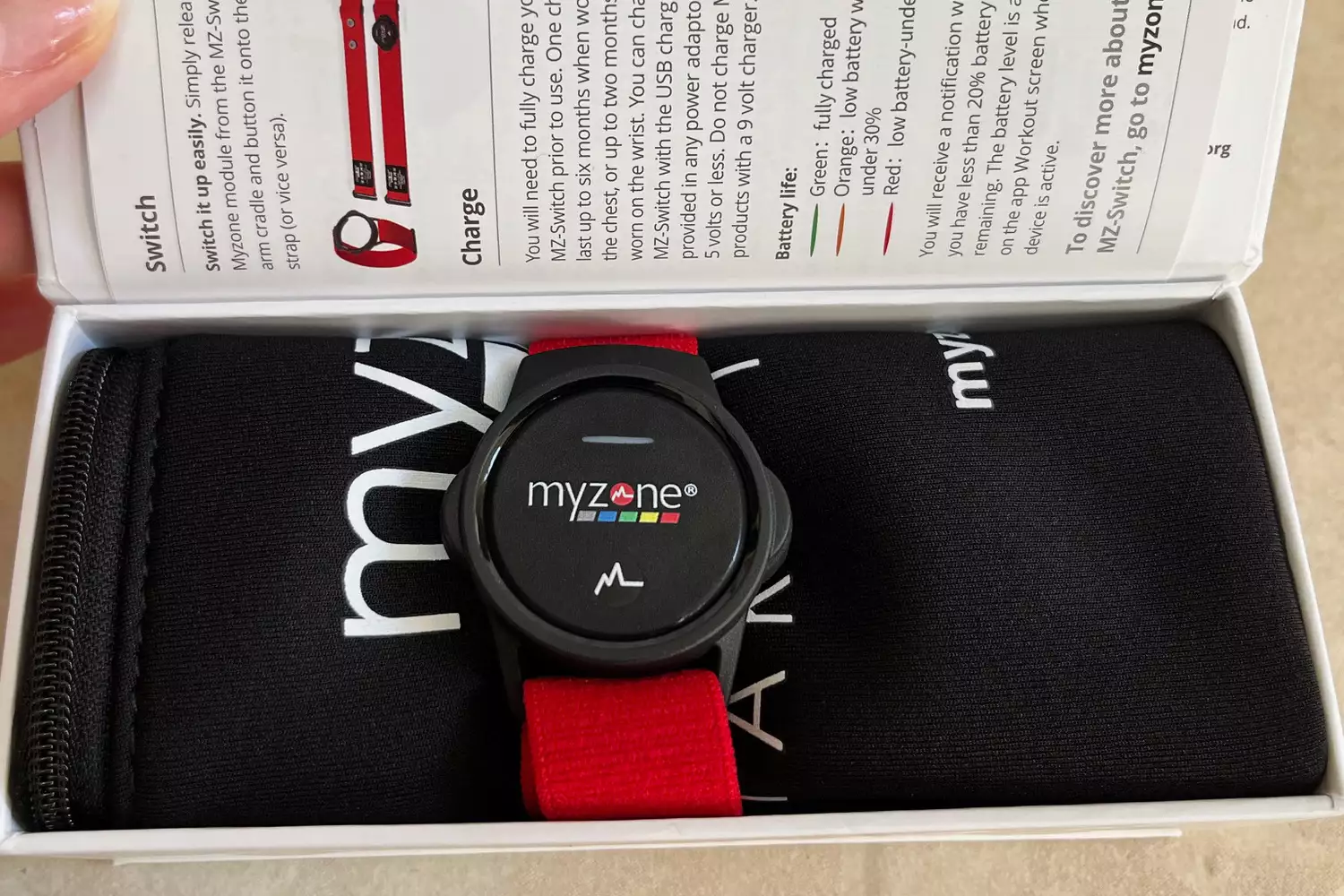
- Best for Versatility: Myzone MZ-Switch - The only monitor that allows you to swap between chest, arm, and wrist placements depending on your sport.
- Best for Seniors: AliveCor KardiaMobile - A dedicated personal EKG monitor capable of detecting atrial fibrillation in just 30 seconds.
Chest strap heart rate monitors typically provide the highest accuracy because they use electrocardiography (ECG) to measure the heart's electrical activity directly. Optical armband and wrist-based monitors utilize photoplethysmography (PPG) to track blood flow via LED lights, which offers a more comfortable fit for long sessions but may experience slight delays during high-intensity interval training.
How We Tested: Our 7-Point Evaluation
As a performance editor, I don’t just look at the spec sheet. We put these devices through a rigorous 7-point evaluation process designed to mimic the demands of a professional athlete’s schedule.
Our team of testers wore these monitors during heavy barbell sessions where "barbell contact" often disrupts chest straps, and during high-intensity interval training where rapid heart rate spikes test the limits of optical sensors. We compared every device against a medical-grade ECG to verify precision. We also evaluated connectivity via ANT+ and Bluetooth by syncing them simultaneously with Peloton bikes, Garmin watches, and apps like Strava and TrainingPeaks. Finally, we looked at the price-to-value ratio and battery longevity, ensuring these tools stay functional throughout an entire training block.
The Gold Standard: Best Chest Strap Heart Rate Monitors
When your training involves hitting specific aerobic and anaerobic thresholds, precision isn't optional. Clinical studies show that chest strap heart rate monitors achieve a 98% to 99% agreement with medical-grade electrocardiogram (ECG) standards, whereas wrist-based optical sensors typically range from 89% to 96% accuracy.
1. Polar H10
The Polar H10 remains the benchmark for most accurate heart rate monitors in 2025. It uses high-quality electrodes and a silicone non-slip grip to ensure the sensor stays in place during explosive movements.
- Accuracy: 5/5
- Comfort: 4/5
- Battery: 5/5 (400 hours)
2. Garmin HRM-Pro Plus
For those deeply embedded in the Garmin ecosystem, the HRM-Pro Plus is essential. It doesn’t just track beats per minute; it captures running dynamics like ground contact time and vertical oscillation.
- Accuracy: 5/5
- Comfort: 4.5/5
- Battery: 4/5 (User-replaceable coin cell)
3. Wahoo TICKR
A favorite for indoor cyclists, the TICKR offers seamless dual-band connectivity. It is thin and unobtrusive, making it ideal for those who find traditional straps bulky.
- Accuracy: 4.5/5
- Comfort: 4/5
- Battery: 4/5
4. Suunto Smart Heart Rate Belt
The smallest ECG sensor on our list, this monitor excels at tracking Heart Rate Variability (HRV) and fits comfortably under tight compression gear.
- Accuracy: 4.5/5
- Comfort: 5/5
- Battery: 4/5
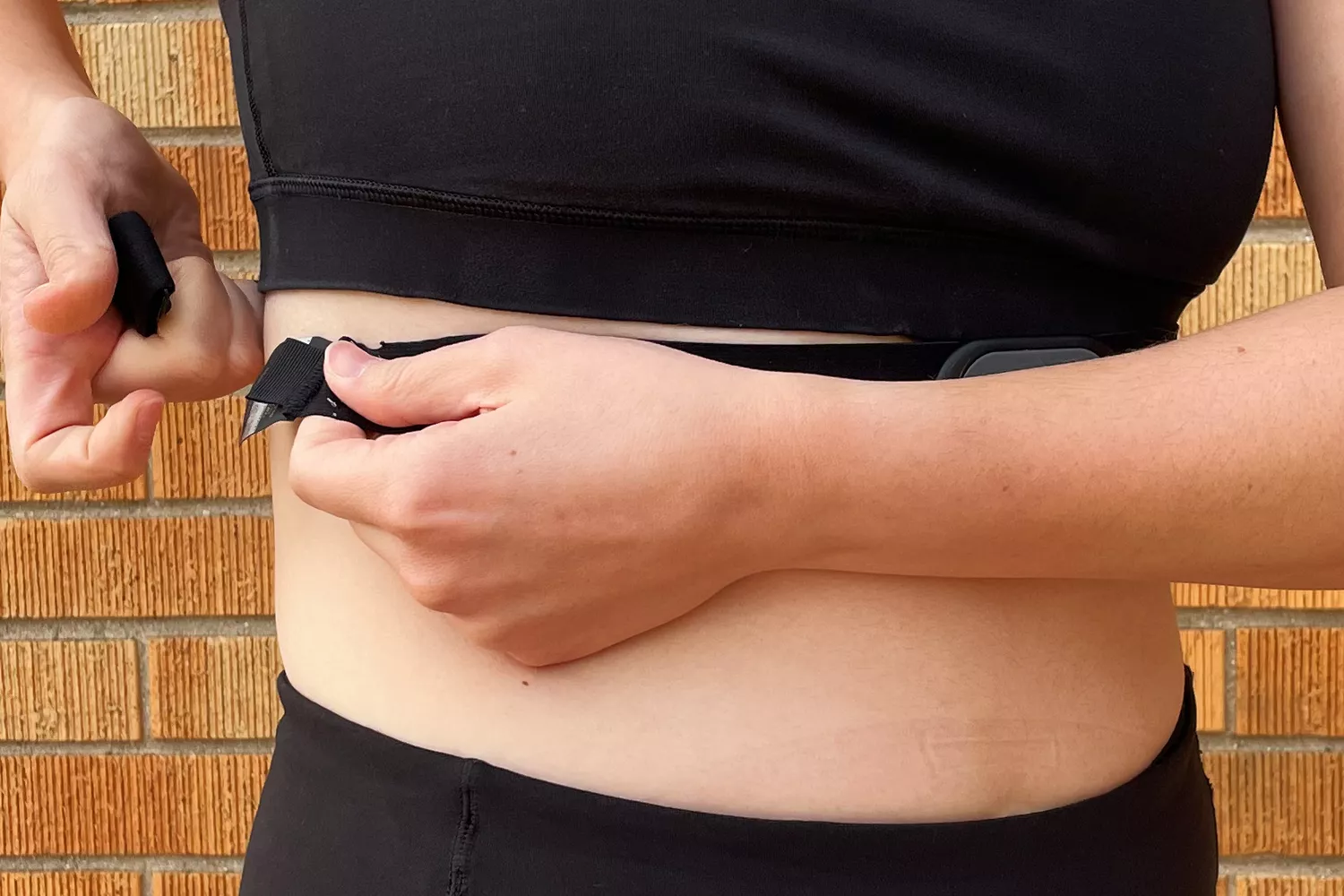
5. Garmin HRM-Fit
Designed specifically for women, the HRM-Fit clips directly onto medium and high-support sports bras. This eliminates the discomfort of a full strap while maintaining the accuracy of an ECG sensor.
- Accuracy: 5/5
- Comfort: 5/5
- Battery: 4/5
Best Armbands and Wrist-Based Monitors for Comfort
While ECG straps are superior for HIIT, the chest strap vs armband heart rate monitor debate often comes down to comfort for long-distance training. Armbands use Photoplethysmography (PPG) to track blood flow, which is significantly more comfortable for 4-hour bike rides or long trail runs.
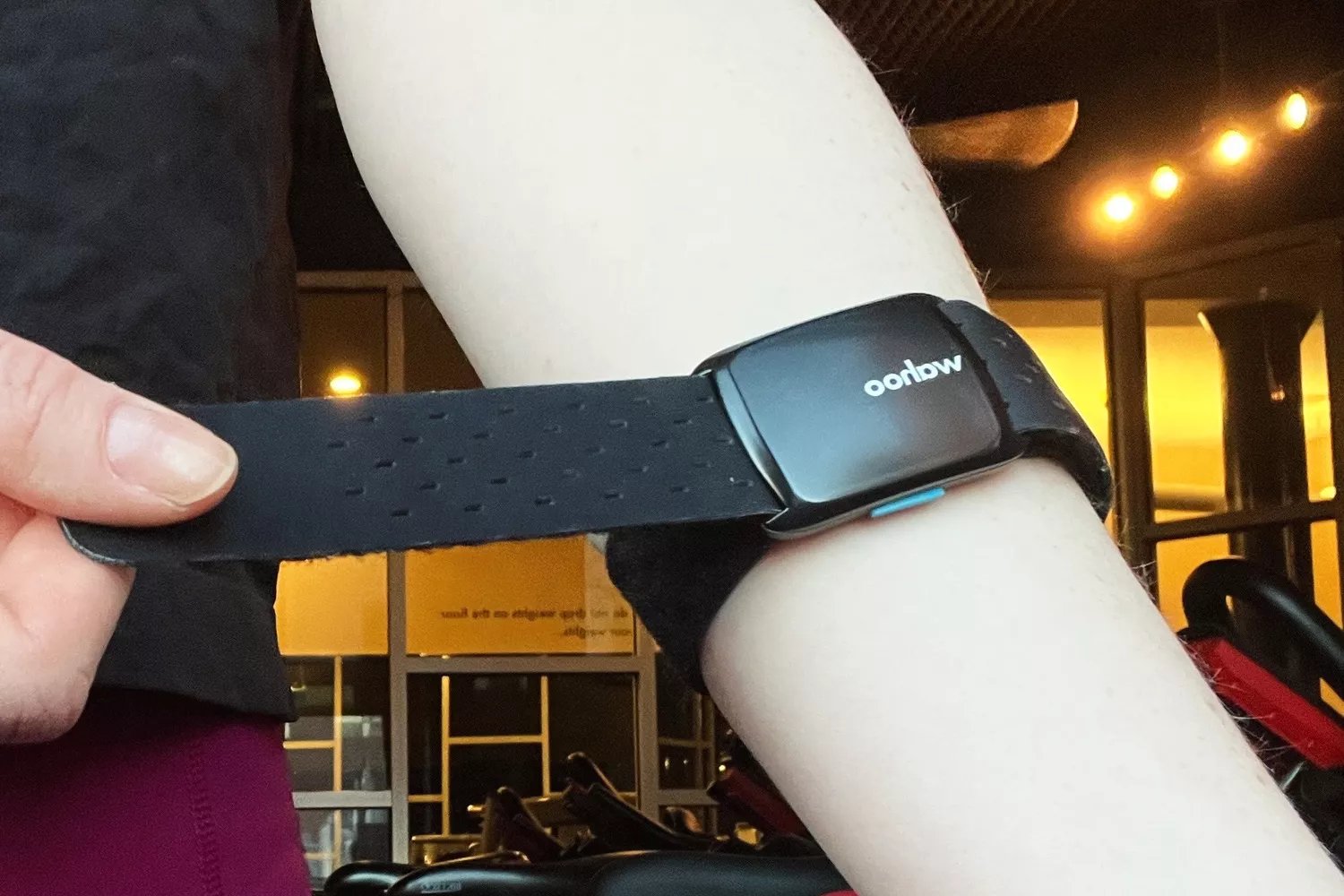
6. Wahoo Trackr
The Trackr is a modern update featuring a rechargeable battery. It bridges the gap between convenience and performance, providing reliable data synchronization with multiple devices simultaneously.
- Accuracy: 4/5
- Comfort: 5/5
- Battery: 4.5/5 (Rechargeable)
7. Myzone MZ-Switch
The MZ-Switch is the most versatile device we’ve tested. It can be worn on the chest for maximum precision during lifting or on the arm for steady-state cardio.
- Accuracy: 4.5/5 (Chest) / 3.5/5 (Wrist)
- Comfort: 5/5
- Battery: 4/5
8. COROS Heart Rate Monitor
This optical armband features a 38-hour active battery life and is incredibly simple to use. It’s perfect for fitness beginners who want better data than a watch provides but hate the feeling of a chest strap.
- Accuracy: 4/5
- Comfort: 5/5
- Battery: 4/5
9. Polar Verity Sense
With onboard memory storage, the Verity Sense is great for sports where you can’t wear a watch, like Brazilian Jiu-Jitsu or wrestling.
- Accuracy: 4/5
- Comfort: 4.5/5
- Battery: 3.5/5
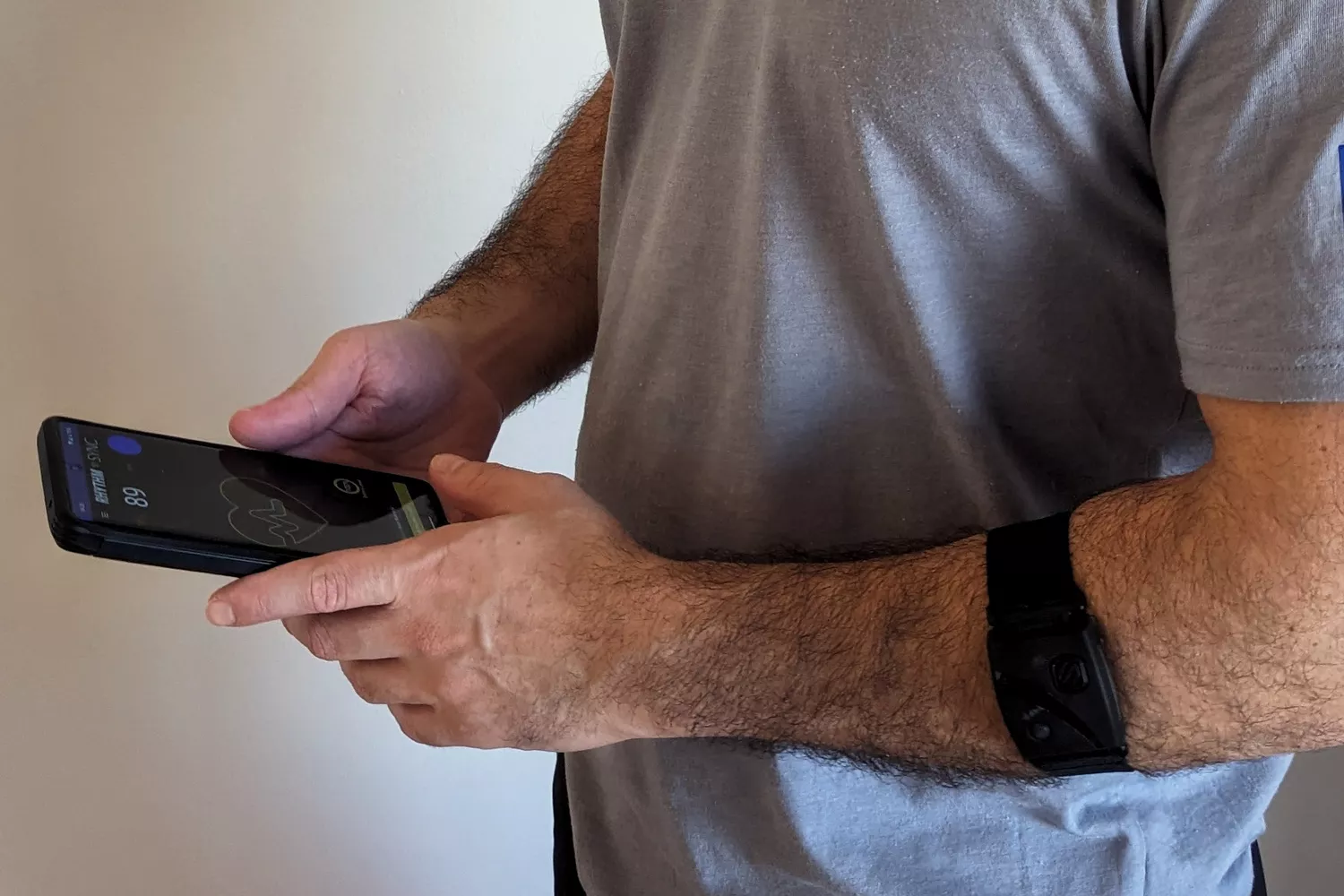
10. Scosche Rhythm24
The Rhythm24 is a rugged optical armband with a 24-hour battery. Its visual LED indicators allow you to see your heart rate zone with a quick glance at your arm.
- Accuracy: 3.5/5
- Comfort: 4.5/5
- Battery: 4/5
Specialized Tracking: Swimming, Seniors, and Recovery
As of 2025, heart rate monitoring has become a baseline expectation, with approximately 44% of all fitness wearable users actively tracking their heart rate. This has led to highly specialized tools for different demographics.
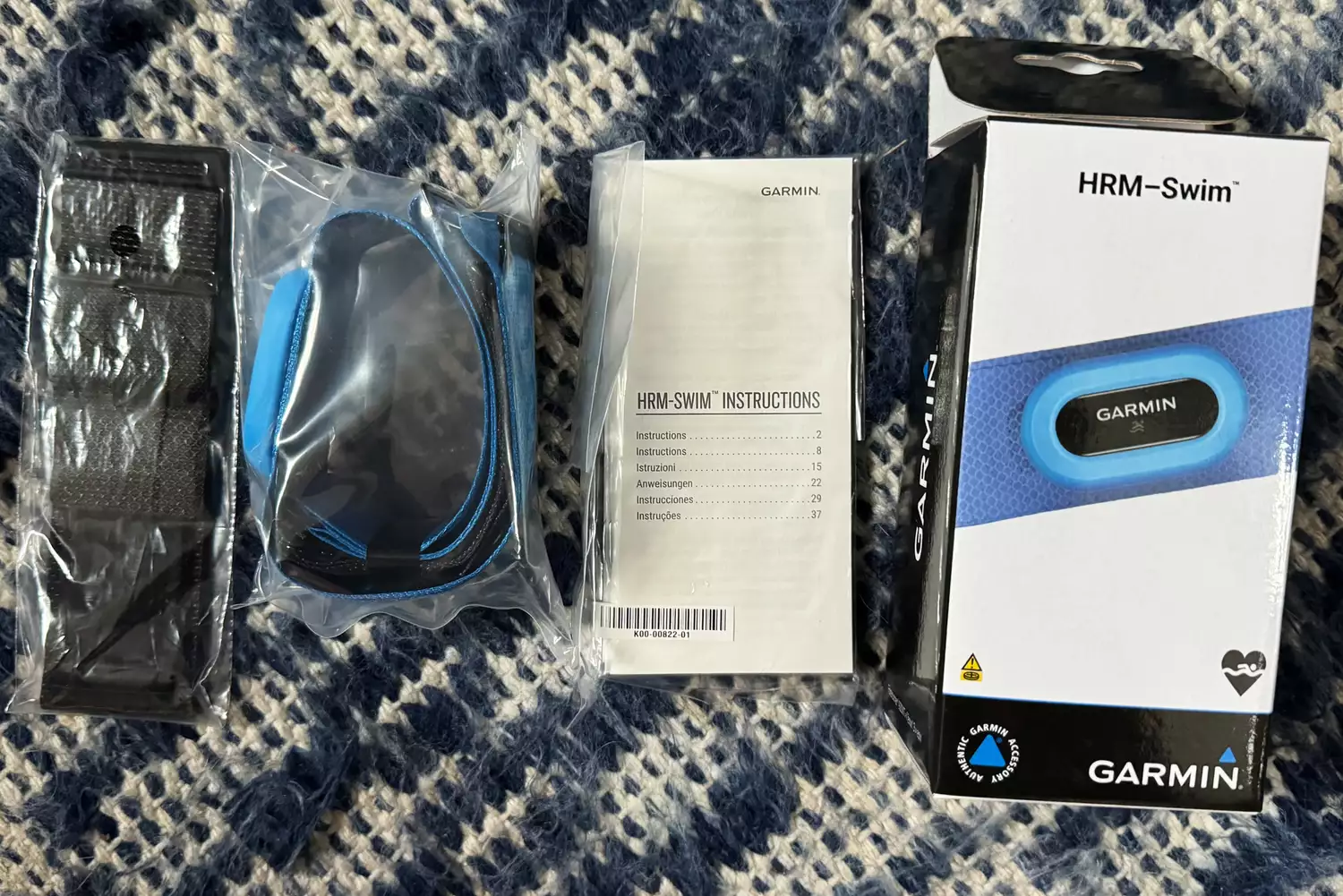
11. Garmin HRM-Swim
When choosing a heart rate monitor for swimming or triathlons, prioritize waterproof ratings and onboard memory storage. Since wireless signals like Bluetooth and ANT+ do not transmit well through water, the HRM-Swim stores exercise data locally and syncs it once you are out of the pool.
- Accuracy: 4.5/5
- Comfort: 3.5/5 (Stiff for non-slip)
- Battery: 4/5
12. AliveCor KardiaMobile
For seniors or individuals focused on managing heart health, personal EKG monitors provide medical-grade data. This portable device can detect atrial fibrillation, bradycardia, and tachycardia in 30 seconds, allowing users to share detailed reports directly with healthcare providers.
- Medical Accuracy: 5/5
- Portability: 5/5
- Ease of Use: 4.5/5
13. Apple Watch Series 10
While a smartwatch, the Series 10 remains the best wrist-based monitor for general health. Its ability to track VO2 max estimation and pulse oximetry makes it a comprehensive health tool.
- Accuracy: 3.5/5
- Features: 5/5
- Battery: 2/5
14. Whoop 4.0
Whoop excels at recovery tracking and HRV analysis. It is designed to be worn 24/7, providing a deep dive into how your sleep and lifestyle impact your training readiness.
- Accuracy: 3.5/5
- Recovery Data: 5/5
- Comfort: 5/5
15. Coospo H808S
This is our pick for the best budget heart rate monitors for fitness beginners. It offers reliable ECG tracking and dual-band connectivity at a fraction of the cost of premium brands.
- Accuracy: 4/5
- Price: 5/5
- Comfort: 3.5/5
Buyer’s Guide: What to Look for in 2025
Choosing between the best heart rate monitors requires understanding your specific training protocols. If you are doing high intensity interval training, an optical armband vs ECG chest strap comparison will always favor the chest strap due to its lack of latency. However, for a marathon runner, the comfort of an armband might outweigh the 2% loss in accuracy.
| Feature | Chest Strap (ECG) | Armband (PPG) | Smartwatch (PPG) |
|---|---|---|---|
| Accuracy | 99% | 94-96% | 89-94% |
| Best For | HIIT, Sprints, Lifting | Cycling, Long Runs | 24/7 Health, Walking |
| Connectivity | ANT+ / Bluetooth | Bluetooth | Bluetooth / Wi-Fi |
| Battery Life | 6-12 Months | 15-40 Hours | 1-10 Days |
Ensure your device supports real-time data streaming if you use platforms like Peloton or Zwift. Most modern monitors now offer dual-band connectivity, allowing you to connect to your bike and your watch at the same time.
Longevity Tips: Maintenance and Strap Replacement
Even the most accurate heart rate monitors will fail if not maintained. Sweat is corrosive, and the electrodes on a chest strap eventually degrade.
Expert Tip: To maintain that 99% accuracy standard, you should follow a 6-12 month strap replacement cycle. The elastic and the conductive pads lose their effectiveness over time. Always rinse your strap after every workout and never put the electronic sensor in the washing machine.
If you notice your heart rate data "flatlining" or showing impossible spikes (like 220 BPM while walking), it is usually a sign that the strap needs replacing or the battery is low. Keeping the electrodes slightly damp before you start your workout can also improve the initial connection.
FAQ
Are chest strap heart rate monitors more accurate than wrist-based ones?
Yes, chest straps utilize ECG technology to measure electrical signals from the heart, which is significantly more accurate than the optical PPG sensors found in watches. Chest straps are particularly superior during rapid heart rate changes found in interval training.
What features should I look for when buying a heart rate monitor?
You should prioritize the sensor type (ECG vs PPG), connectivity protocols (ANT+ and Bluetooth), battery life, and whether it has onboard memory storage for activities like swimming where a phone or watch may not be nearby.
Is it worth getting a dedicated heart rate monitor if I already have a smartwatch?
If you are serious about training zones or HIIT, yes. Smartwatches often suffer from "cadence lock," where the watch confuses your steps with your heart rate. A dedicated monitor eliminates this interference and provides real-time data streaming with less lag.
Do heart rate monitors work effectively while swimming?
Standard Bluetooth and ANT+ signals do not travel through water. To track heart rate while swimming, you need a device like the Garmin HRM-Swim or Polar Verity Sense that can store the data locally on the device and sync it once you are back on land.
Can heart rate monitors detect irregular heart rhythms?
While most fitness monitors focus on beats per minute, specific personal EKG monitors like the AliveCor KardiaMobile are cleared to detect irregular rhythms such as atrial fibrillation. However, fitness-focused chest straps are not medical diagnostic tools.