Quick Facts
- Duration: 30-45 minutes per session
- Equipment: Zero (bodyweight only)
- Caloric Burn: Up to 600 kcal/hr depending on intensity
- Frequency: 2-3 sessions per week for optimal recovery
- Key Goal: Functional strength and metabolic conditioning
- Difficulty: Scalable from beginner to advanced
Your muscles are a "use it or lose it" resource, and the clock is ticking faster than you think. Scientific evidence suggests that muscle atrophy can begin within just 14 days of inactivity. To combat this and build significant power without a gym membership, a bodyweight bootcamp serves as a high-intensity, no-equipment strength method that transforms any living space into a high-performance training zone.
To start a bodyweight bootcamp at home, focus on compound movements like squats, push-ups, and lunges arranged in a high-intensity circuit. Perform each exercise for 30 to 45 seconds with minimal rest between sets to improve metabolic conditioning. Consistently apply progressive overload by increasing repetitions, shortening rest periods, or incorporating more challenging exercise variations to ensure continued muscle growth and cardiovascular adaptation.
Why Your Home is the Ultimate Strength Lab
The traditional gym model is facing a major shift. Recent data indicates that approximately 52% of U.S. adults now exercise regularly at home, making it a more popular choice than the 28% who exercise regularly at a gym. This trend isn't just about convenience; it is about the realization that your own body provides more than enough resistance to trigger serious physiological changes.
When you commit to at-home bodyweight training for fat loss and strength, you are leveraging the most versatile piece of equipment ever created: yourself. You do not need a rack of dumbbells to see results. By manipulating leverage and gravity, you can turn a standard movement into a grueling test of endurance. A bodyweight bootcamp focuses on functional movements that translate to real-world activities, ensuring that the strength you build in your living room helps you in your daily life.
The 14-Day Warning Muscle tissue is metabolically expensive for your body to maintain. Research shows that after just two weeks of complete sedentary behavior, your lean muscle mass begins to decline. Starting a bodyweight bootcamp today isn't just about getting "shredded"—it is about protecting the metabolic engine you already have.
The Science: Building Muscle without Barbells
Many skeptics believe that you need heavy iron to see significant gains, but the science tells a different story. A study on the effects of a 10-week body-weight training program for young women demonstrated a 33% improvement in aerobic capacity and an 11% increase in core muscle endurance. This proves that you can simultaneously improve your heart health and your structural integrity without picking up a single weight.
The key to these gains lies in time under tension and the eccentric phase of each movement. By slowing down the lowering portion of a push-up or a squat, you create micro-tears in the muscle fibers that lead to growth during recovery. Furthermore, using compound movements engages multiple muscle groups at once, stimulating a higher hormonal response.
Building muscle in a small apartment is achievable through bodyweight routines that emphasize explosive power and the posterior chain. Movements like pike push-ups or Bulgarian split squats require very little floor space but offer high resistance. Research involving active individuals in their 60s found that a routine of eight lower-body bodyweight exercises performed just six times per month increased muscle strength and power by about 15% over 10 months. If it works for those in their golden years, it will certainly work for a younger audience looking for effective bodyweight alternatives to barbell exercises.
The Ultimate 30-Minute Bodyweight HIIT Circuit Routine
To maximize your results, we use specific professional timing protocols. This 30-minute bodyweight HIIT circuit routine is designed to trigger EPOC (Excess Post-exercise Oxygen Consumption), keeping your metabolism elevated for hours after the workout ends. We will use a combination of AMRAP (As Many Rounds As Possible) and EMOM (Every Minute on the Minute) to keep the intensity high.
Structure:
- Warm-up (5 Minutes): Dynamic stretching, jumping jacks, and arm circles.
- Main Circuit (20 Minutes): Follow the table below.
- Cool-down (5 Minutes): Static stretching and deep breathing.
| Exercise | Reps/Time | Progression/Regression |
|---|---|---|
| Air Squats | 45 Seconds | Progression: Jump Squats / Regression: Squat to Chair |
| Pike Push-ups | 40 Seconds | Progression: Elevated Feet / Regression: Standard Push-ups |
| Bulgarian Split Squats | 30 Seconds per leg | Progression: Add a 3-second pause / Regression: Reverse Lunges |
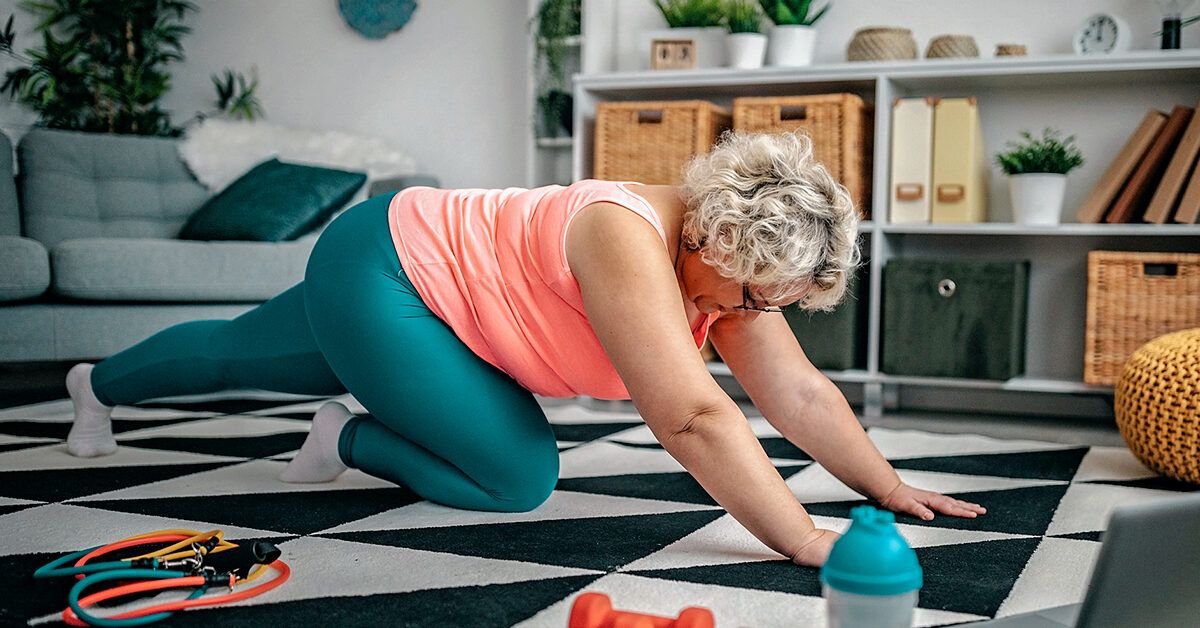
| Plank to Downward Dog | 45 Seconds | Progression: Single Leg Plank / Regression: Knee Plank |
| Mountain Climbers | 45 Seconds | Progression: Increase Speed / Regression: Slow Step-ins |
This at-home circuit training routine should be performed with a focus on core stability and explosive power. During the bodyweight HIIT intervals, your goal is to maintain form even as fatigue sets in. This is where the mental toughness of a bootcamp environment comes into play.
Pro Timing Tips AMRAP: Set a timer for 5 minutes and see how many clean rounds of three exercises you can complete. EMOM: Start a new exercise at the top of every minute. If you finish your reps in 40 seconds, you get 20 seconds of rest before the next minute begins.
Scaling Your Progress: Beginner to Advanced
The beauty of calisthenics is that the workout grows with you. If you are starting an at-home bodyweight bootcamp for beginners, your primary goal is foundational strength. Beginners can modify a bodyweight bootcamp by using low-impact variations and adjusting the range of motion for each exercise. For instance, performing push-ups against a wall or squats to a chair helps build strength while maintaining proper form.
As you get stronger, you must look toward advanced bodyweight progressions to build muscle. You can increase the difficulty without adding weight by introducing isometric holds at the bottom of a movement or focusing on the eccentric phase—taking a full five seconds to lower yourself into a squat.
To maintain long-term results, you need to know how to design a home bootcamp schedule that prevents plateaus. Use the principle of progressive overload:
- Increase Volume: Do more repetitions in the same amount of time.
- Decrease Rest: Shorten the recovery period between sets from 30 seconds to 15 seconds.
- Increase Intensity: Move from a standard lunge to a jumping lunge.
- Density Training: Try to complete the same amount of work in a shorter total workout duration.
By varying your routine and incorporating different isometric holds and tempo changes, you keep the body guessing and the muscles growing.
FAQ
Can you build muscle with a bodyweight bootcamp?
Yes, you can build significant muscle by utilizing time under tension and progressive overload. By choosing challenging variations of compound movements and shortening rest periods, you create the necessary stimulus for hypertrophy. Bodyweight exercises like pull-ups, push-ups, and single-leg squats are highly effective for muscle protein synthesis.
Is a bodyweight bootcamp suitable for beginners?
Absolutely. One of the primary advantages of this training style is its scalability. Beginners can start with regressions such as incline push-ups or assisted squats to build a baseline of functional fitness. Using structured formats like EMOM allows beginners to manage fatigue while gradually increasing their capacity.
What equipment is needed for a bodyweight bootcamp?
The defining feature of a true bodyweight bootcamp is that it requires zero equipment. You only need enough floor space to lie down and a sturdy chair or a wall for certain exercise modifications. This makes it the most accessible form of fitness for those living in small apartments or traveling frequently.
Can I do a bodyweight bootcamp at home?
Yes, your home is an ideal environment for this type of training. Because the exercises rely on your body's own resistance, you do not need the heavy machinery found in a traditional gym. Exercises like Bulgarian split squats and mountain climbers take up minimal space while providing a high-intensity workout.
How many times a week should I do a bodyweight bootcamp?
For most people, performing a bodyweight bootcamp 2 to 3 times per week is ideal for optimal recovery and strength gains. This frequency allows for the necessary rest periods for muscle tissue to repair while ensuring you remain consistent enough to avoid the 14-day muscle atrophy window.
The journey to a stronger, more resilient version of yourself starts exactly where you are standing. By combining the science of metabolic conditioning with the convenience of your own living room, you can beat the 14-day atrophy clock and achieve professional-grade results. Consistency is your only requirement. Start today, track your reps, and watch as your body transforms through the power of its own weight.