Quick Facts
- The Risk: Without intervention, approximately 25% to 40% of the total weight lost on GLP-1 medications can consist of lean body mass.
- Protein Target: Experts recommend consuming between 1.2 to 2.0 grams of protein per kilogram of body weight daily.
- Training Frequency: Perform resistance training for GLP-1 users at least 2 to 3 times per week to provide the necessary anabolic signal.
- The Leucine Rule: Aim for 2.5 to 3 grams of leucine per meal to effectively trigger muscle protein synthesis and counteract catabolism.
- Success Rate: Patients following high-protein and resistance protocols lost only about 3% of their muscle mass despite significant total weight reduction.
- Hydration: Maintain 73 to 100 ounces of daily fluid intake to support kidney function and medication metabolism.
As GLP-1 medications like Semaglutide and Tirzepatide revolutionize weight loss in 2026, a critical side effect has emerged: GLP-1 muscle loss. To prevent this, you must prioritize resistance training for GLP-1 users and targeted protein intake to ensure that the weight you lose comes from fat stores rather than your functional tissue.
The Reality of GLP-1 Muscle Loss: Why It Happens
The clinical success of GLP-1 agonists is undeniable, but the physiological cost can be high if you are not proactive. When you lose weight rapidly through a significant caloric deficit, your body does not just burn fat; it often looks to muscle tissue as an easy energy source. This leads to a shift in body composition that can negatively impact your metabolic health and long-term vitality.
Current clinical trial data indicates that without targeted muscle-preservation strategies, 25% to 40% of total weight lost can be lean body mass. This is a concerning ratio compared to traditional dieting, where muscle loss typically hovers around 15-20%. In the performance world, we call this the "Skinny Fat Trap." You might look smaller on the scale, but your percentage of body fat actually increases relative to your muscle, leading to a condition known as drug-induced sarcopenia.
Understanding the mechanism of GLP-1 muscle loss is the first step toward stopping it. These medications reduce appetite by slowing gastric emptying and signaling the brain that you are full. While this is great for weight loss, it often leads to a massive drop in protein and calorie intake, leaving the body in a catabolic state where it prioritizes fat storage over muscle maintenance.
Sarcopenia Red Flag Checklist
- Decreased stamina during daily activities like climbing stairs.
- A noticeable loss of grip strength or difficulty opening jars.
- Feeling "softer" even as the scale weight drops.
- Reduced balance or a feeling of frailty.
- Frequent fatigue that does not resolve with rest.
If you recognize these signs, your body composition is likely shifting in the wrong direction. A DEXA scan can provide an objective baseline for your lean body mass and fat mass, allowing you to track your progress with precision as you implement your strength training routines for weight loss medications.
The Protein-First Strategy: Fueling Muscle Protein Synthesis
Standard dietary advice usually fails GLP-1 patients because of the early satiety the medication provides. If you eat your vegetables and starches first, you will likely be too full to hit your protein targets. This is why a protein-first eating strategy for glp-1 appetite control is non-negotiable.
To maintain muscle protein synthesis, you should aim for a daily protein intake for muscle preservation of 1.2 to 2.0 grams per kilogram of body weight. For many, calculating this based on current weight can be daunting if they have a high starting weight. Instead, use an Adjusted Body Weight calculation—take your goal weight and ensure you are hitting at least 1 gram of protein per pound of that target.
The "Leucine Rule" is a specific performance protocol you should adopt. Leucine is the primary amino acid responsible for triggering the anabolic signaling pathway. To flip the switch for hypertrophy, you need a threshold of 2.5 to 3 grams of leucine per meal. This usually translates to about 30-40 grams of high-quality animal protein or a leucine-fortified plant protein.
When considering how much protein to preserve muscle on glp-1 medications, timing is everything. Because gastric emptying is delayed, you should space your protein intake throughout the day. Instead of one large steak, focus on smaller, frequent servings of leucine rich foods for muscle protein synthesis on glp-1, such as Greek yogurt, whey isolate, lean poultry, or eggs. This ensures a steady stream of amino acids is available for repair, even when your appetite is low.
2026 Resistance Training Protocols for GLP-1 Users
While cardio is great for heart health, resistance training for GLP-1 users is the only way to send a loud enough signal to the body to keep its muscle. You do not need to live in the gym; a focused resistance training routine for glp-1 muscle loss performed 2 to 3 times per week is often sufficient to maintain metabolic health.
The focus should be on progressive overload using compound movements. These exercises involve multiple joints and muscle groups, providing the greatest hormonal response and functional strength benefits. Research shows that resistance training combined with high protein can reduce lean mass loss significantly compared to medication alone.
The Starter Compound Circuit
- Goblet Squats: 3 sets of 8-12 reps. Focus on depth and control to build lower body stability.
- Dumbbell Rows: 3 sets of 10 reps per side. This targets the large muscles of the back and improves posture.
- Push-Ups or Chest Press: 3 sets of 8-12 reps. Essential for maintaining upper body pushing strength.
- Deadlift Variations (RDLs): 3 sets of 10 reps. Focus on the hip hinge to protect the lower back and build the posterior chain.
- Plank: 3 sets, holding for 30-45 seconds to maintain core rigidity.
When selecting the best compound movements for glp-1 weight loss success, prioritize those that mimic functional movements in your daily life. Squatting, lifting items off the floor, and pushing or pulling are the foundations of a healthy body composition. As you get stronger, ensure you are slowly increasing the weight or the number of repetitions. This constant challenge is what prevents the body from "shedding" muscle tissue during a caloric deficit.
Advanced Recovery and Gut-Muscle Synergy
Recovering from a workout while on GLP-1 therapy requires a more nuanced approach than traditional training. The medications can affect your hydration levels and how you absorb nutrients. Therefore, managing your recovery is just as important as the training itself.
One of the most effective tools in your arsenal is a creatine monohydrate and glp-1 muscle preservation guide. Creatine monohydrate is one of the most researched supplements in sports science. It helps draw water into the muscle cells, improving cellular hydration and supporting energy production during high-intensity lifting. More importantly, it can help maintain functional strength even when your total energy intake is low.
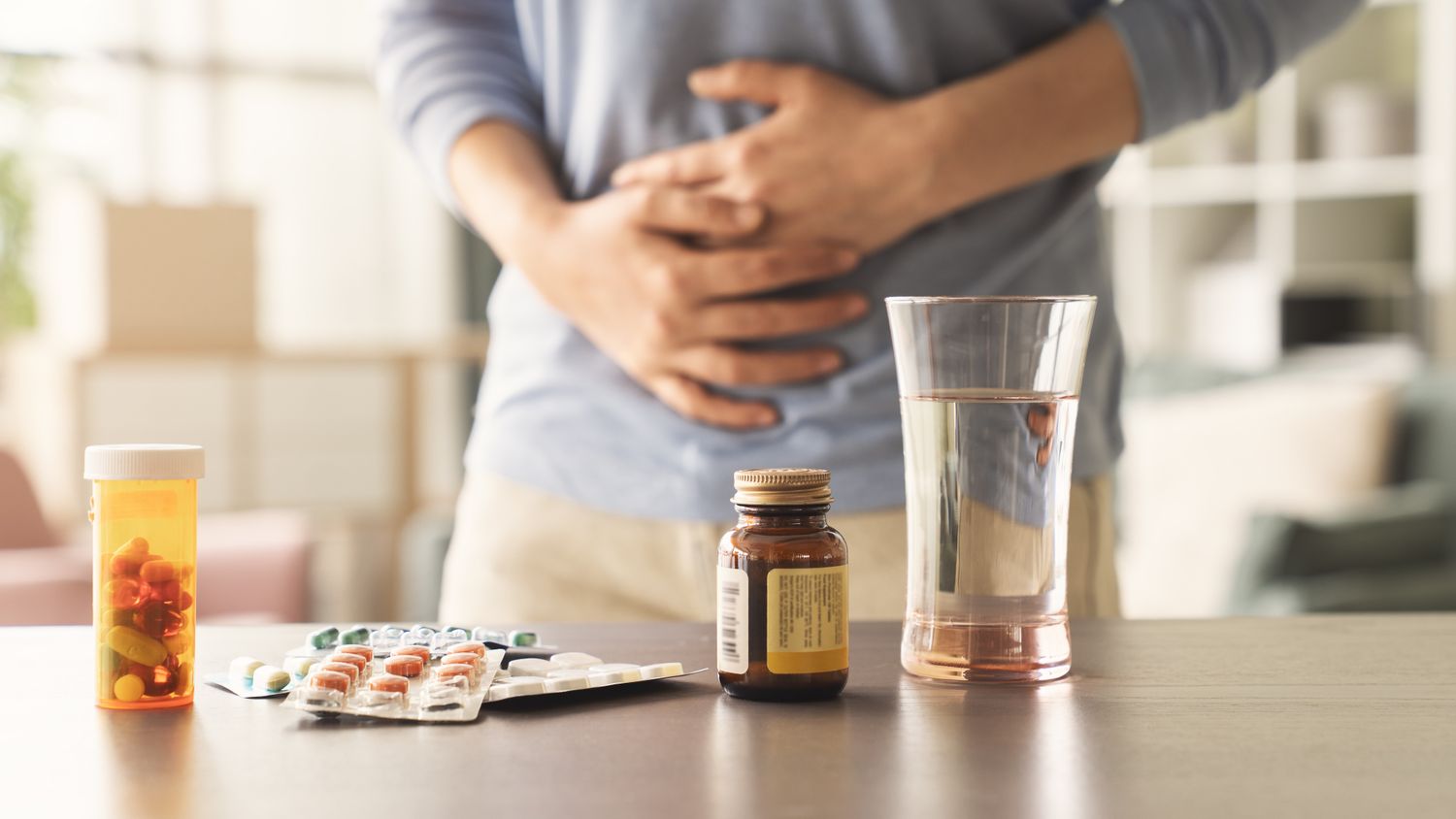
Managing GI distress is a major hurdle for many on Semaglutide or Tirzepatide. If you are experiencing nausea or bloating, you are less likely to train or eat. Prioritize easily digestible proteins like hydrolyzed whey or collagen (when paired with a leucine source) to minimize gut strain. Hydration is also paramount; aim for 73-100 ounces of water daily, often supplemented with electrolytes, to ensure your muscles are primed for performance and recovery.
Finally, do not underestimate the power of sleep. Most hormonal repair and muscle growth occur during deep sleep. Aim for 7 to 9 hours of quality rest per night. Without adequate sleep, your body's stress hormones rise, which can further accelerate GLP-1 muscle loss and stall your weight loss progress.
FAQ
How can I prevent muscle loss while taking GLP-1 medications?
You can prevent loss by engaging in resistance training for GLP-1 users 2 to 3 times a week and consuming 1.2 to 2.0 grams of protein per kilogram of body weight. Focusing on compound movements and ensuring you hit the leucine threshold in every meal provides the necessary anabolic signal to the body.
Can you build muscle while on GLP-1 agonists?
Yes, it is possible, particularly for those new to lifting. By combining a resistance training routine for glp-1 muscle loss with high-quality protein and supplements like creatine monohydrate, you can achieve a "recomposition" effect where you lose fat and gain lean body mass simultaneously.
Why do GLP-1 medications lead to muscle loss?
The medications induce a significant caloric deficit and slow gastric emptying, which often leads to inadequate protein intake. Without the stimulus of strength training routines for weight loss medications, the body catabolizes muscle tissue for energy during rapid weight loss, which can account for up to 40% of the total weight lost.
Does high protein intake prevent muscle loss on GLP-1?
High protein intake is a critical component, but it works best when paired with lifting. Research indicates that patients who use a protein-first eating strategy for glp-1 appetite control and participate in supervised exercise lose significantly less muscle mass than those who rely on the medication alone.
How do you know if you are losing muscle on GLP-1?
Signs of GLP-1 muscle loss include decreased physical stamina, a drop in strength during workouts, and feeling physically weaker or more fragile. Using a DEXA scan or a high-quality body composition scale can provide quantitative data to track your lean body mass versus fat loss.
The Muscle Insurance Policy
Think of your muscle as an insurance policy for your future health. While the primary goal of taking GLP-1 medications is often weight loss, the ultimate goal should be a healthier body composition and improved metabolic health. By committing to 2-3 sessions of resistance training for GLP-1 users and maintaining a disciplined protein intake for muscle preservation, you ensure that the "new you" in 2026 is not just smaller, but stronger and more resilient. Don't just lose weight—transform your body by protecting the lean body mass that keeps your metabolism firing.