Quick Facts
- Recovery Mode: Magnesium promotes vasodilation to increase blood flow, while ice baths cause vasoconstriction to restrict it.
- Mineral Bioavailability: Magnesium chloride flakes offer superior molecular solubility and faster transdermal absorption compared to traditional Epsom salts.
- Hypertrophy Impact: Evidence suggests ice baths may blunt the inflammatory signals required for muscle growth, whereas warm magnesium soaks support protein synthesis.
- Optimal Temperature: Clinical research identifies 104°F (40°C) as the ideal temperature for restoring muscle power and jump height.
- Dosage: Athletes should use 1 to 2 cups of pure magnesium chloride flakes to deliver up to 42,000mg of elemental magnesium per bath.
- Frequency: A protocol of two to three sessions per week is recommended to address systemic magnesium deficiency and improve sleep quality.
Magnesium baths outperform ice baths for recovery by promoting vasodilation and activating the parasympathetic nervous system, whereas cold plunges can cause systemic shock. Warm magnesium soaks facilitate muscle relaxation and lactic acid flushing without the physical stress of cryotherapy, offering a more restorative approach to reducing post-workout inflammation. By utilizing a magnesium bath for muscle recovery, athletes can support the natural repair processes of the body while replenishing essential mineral stores that are often depleted during intense physical exertion.
Vasodilation vs. Vasoconstriction: The Physiological Battle
The long-standing debate of heat versus cold in athletic recovery often ignores the fundamental mechanics of how our circulatory system reacts to temperature. When you submerge yourself in an ice bath, the body enters a state of survival. This process, known as vasoconstriction, pulls blood away from the extremities to protect the core. While this provides a temporary numbing effect and may reduce acute swelling, it essentially halts the delivery of oxygen and nutrients to the very tissues that need repair.
In contrast, a warm magnesium soak for relaxation utilizes vasodilation. The warmth of the water expands the blood vessels, allowing oxygen-rich blood to flood the muscle fibers. This increased circulation is vital for lactic acid flushing and the removal of metabolic waste products that accumulate during high-intensity training. Instead of the fight-or-flight response triggered by a cold plunge, the warmth signals the parasympathetic nervous system to take over. This shift is critical for downregulating cortisol and initiating the deep tissue repair that happens when the body is in a restful state.
Recent 2024 clinical research comparing recovery methods found that hot water immersion at 104°F resulted in significantly higher muscle power and jump height recovery one hour post-exercise compared to cold water immersion at 59°F. This data challenges the traditional reliance on cryotherapy, suggesting that the physiological stress of extreme cold may actually delay the return to peak performance. For athletes who need to back up intense sessions with high-power output the following day, the metabolic boost of a warm soak provides a clear advantage over the restrictive nature of ice.
Chemical Superiority: Why Chloride Beats Sulfate (Epsom Salts)
When discussing the benefits of magnesium chloride flakes for muscles, we must look at the molecular science. Most consumers are familiar with Epsom salts, which are composed of magnesium sulfate. However, from a bioavailability standpoint, magnesium chloride is the superior choice. Magnesium chloride has a much higher molecular solubility, meaning it breaks down more effectively in water and is more readily absorbed through the skin.
One of the primary drawbacks of using magnesium sulfate is its tendency to be slightly astringent. Frequent Epsom salt baths can actually draw moisture out of the skin, leading to dryness or irritation. Magnesium chloride, particularly when sourced from the ancient Zechstein Sea, behaves differently. It supports epidermal hydration and helps maintain the skin barrier function. This makes it a better option for athletes who incorporate frequent soaking into their weekly routine.
The purity of the source matters as well. Zechstein magnesium flakes benefits for recovery stem from the fact that this magnesium is pulled from a seabed two kilometers below the earth's surface, protected from modern-day environmental pollutants. This provides a clean, concentrated mineral source that is free from heavy metals. When comparing magnesium chloride vs epsom salt for muscle recovery, the chloride form consistently offers a more efficient transdermal mineral absorption rate, ensuring that the magnesium actually reaches the underlying muscle tissue rather than just sitting on the surface of the skin.
The Hypertrophy Warning: Is Your Ice Bath Killing Your Gains?
For those focused on building lean muscle mass, the choice between magnesium flakes vs ice bath is even more significant. Muscle hypertrophy requires a certain level of controlled inflammation to signal the body to build more muscle protein. Ice baths are so effective at suppressing inflammation that they can actually blunt this anabolic signal. Research has shown that frequent cold water immersion immediately following resistance training can reduce the long-term gains in muscle mass and strength.
A magnesium bath for muscle recovery offers a more supportive path. Instead of shutting down the inflammatory response, magnesium helps regulate it. It acts as a natural calcium channel blocker, helping muscles to relax after the repetitive contractions of a workout. This is particularly important because research indicates that approximately 80% of adults may be magnesium deficient, a condition that can lead to prolonged muscular tension and impaired recovery after physical activity.
By prioritizing mineral replenishment, you are giving your body the raw materials it needs for electrolyte balance and ATP (energy) production. This is especially true for managing muscle cramps. A study on transdermal magnesium application found that 83% of participants reported an improvement or complete resolution of muscle cramping by the second week of treatment. For the athlete, this means less downtime and a more consistent training schedule without sacrificing the hard-earned physiological adaptations of hypertrophy.
Comparison: Ice Bath vs. Magnesium Soak
| Metric | Ice Bath (Cryotherapy) | Magnesium Soak (Mineral Immersion) |
|---|---|---|
| Temperature | 50°F - 59°F (10°C - 15°C) | 100°F - 104°F (38°C - 40°C) |
| Primary Goal | Acute Numbing & Vasoconstriction | Vasodilation & Mineral Absorption |
| Hypertrophy Impact | May inhibit muscle protein synthesis | Supports muscle relaxation and repair |
| Nervous System | Sympathetic (Fight-or-Flight) | Parasympathetic (Rest-and-Digest) |
| Recovery Mechanism | Temporary reduction in swelling | Lactic acid flushing & nutrient delivery |
The 2026 Magnesium Soak Protocol: Maximize Your Recovery
To get the most out of your recovery routine, you need a precise protocol. It isn't just about throwing a handful of salt into a tub; it’s about creating the right environment for skin permeability and mineral uptake.
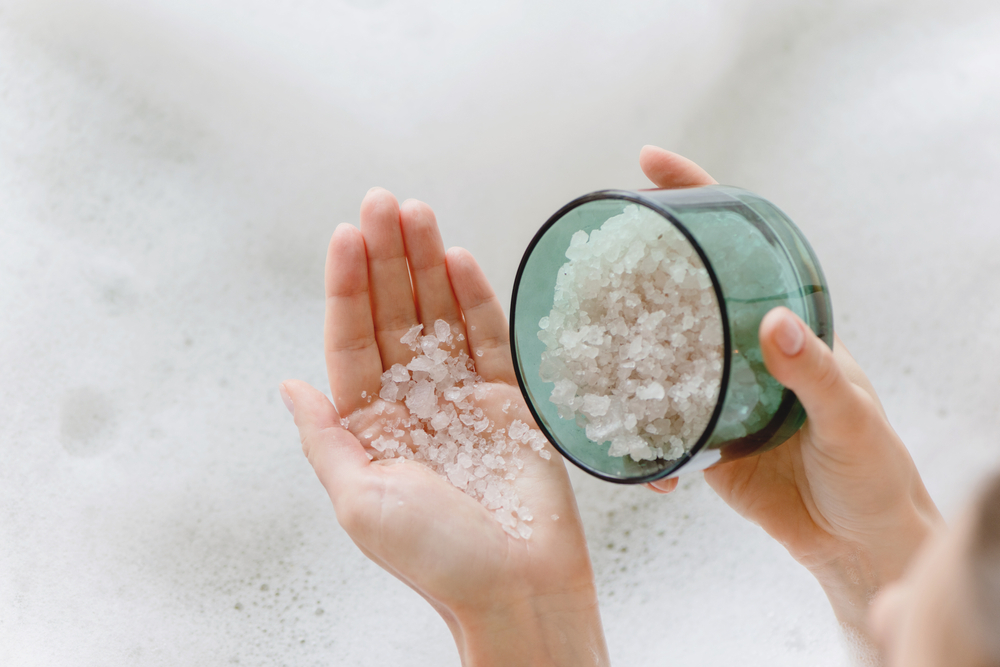
- The Dosage: Use 1 to 2 cups of pure magnesium chloride flakes. This provides a high concentration of elemental magnesium that creates a pressure gradient, encouraging the minerals to pass through the skin barrier.
- The Temperature: Aim for approximately 104°F. While it might be tempting to go hotter, extreme heat can actually cause the skin to swell and reduce the efficiency of transdermal mineral absorption.
- The Timing: For the best results, soak for 20 to 30 minutes. This provides enough time for the magnesium to interact with the epidermis and for the vasodilation effects to reach the deep muscle tissue.
- The Frequency: Consistency is key. A magnesium bath frequency for athletes of two to three times per week helps maintain optimal mineral levels and prevents the cumulative fatigue that leads to overtraining.
Pro-Tip: The Chlorine Factor Most tap water is treated with chlorine, which can be harsh on the skin and may interfere with mineral absorption. To optimize your soak, add a half-teaspoon of Vitamin C (ascorbic acid) powder to your bath water. This effectively neutralizes the chlorine, making the water gentler and ensuring the benefits of magnesium chloride bath for skin hydration are fully realized.
When considering how long to soak in magnesium bath for muscles, remember that more is not always better. Staying in much longer than 30 minutes can cause the skin to become over-saturated, which doesn't necessarily increase the amount of magnesium absorbed but can lead to skin pruning. Strategic timing is also important; many athletes find that a magnesium bath for sleep and muscle relaxation is most effective when taken in the evening, as the magnesium helps regulate melatonin production and calms the nervous system before bed.
FAQ
Do magnesium baths actually help with muscle recovery?
Yes, magnesium baths assist recovery by promoting vasodilation, which increases blood flow and nutrient delivery to sore tissues. Additionally, the transdermal absorption of magnesium helps replenish mineral levels that are depleted during exercise, aiding in the regulation of muscle contractions and reducing post-workout inflammation.
Is Epsom salt the same as a magnesium bath?
While both involve magnesium, they are chemically different. Epsom salt is magnesium sulfate, whereas the preferred choice for recovery is magnesium chloride. Magnesium chloride has higher molecular solubility and superior bioavailability, making it more effective for muscle relaxation and better for skin hydration compared to the potentially drying effects of sulfates.
How long should you soak in a magnesium bath for muscle pain?
For optimal results, you should soak for 20 to 30 minutes. This duration allows sufficient time for the skin to absorb the minerals and for the warm water to facilitate deep muscle relaxation. Soaking for less than 15 minutes may not provide enough time for significant mineral uptake, while soaking for more than 40 minutes offers diminishing returns.
What is the best water temperature for a magnesium recovery bath?
The best water temperature is approximately 104°F (40°C). This temperature is warm enough to induce vasodilation and improve circulation without being so hot that it causes excessive sweating or skin irritation, both of which can hinder the absorption of magnesium flakes.
Is a magnesium bath better than taking oral magnesium?
Magnesium baths can be more effective for localized muscle soreness because they bypass the digestive system. Many people experience gastrointestinal distress with high doses of oral magnesium, which limits the amount they can consume. Transdermal application allows for high-concentration mineral exposure without the laxative effect associated with oral supplements.
By moving away from the "no pain, no gain" mentality of the ice bath and embracing the science-backed benefits of mineral immersion, you can create a more sustainable and effective recovery strategy. Whether you are dealing with chronic magnesium deficiency or simply looking for the best magnesium flakes for muscle recovery 2026 has to offer, the shift toward warm, mineral-rich soaks represents the future of athletic wellness.