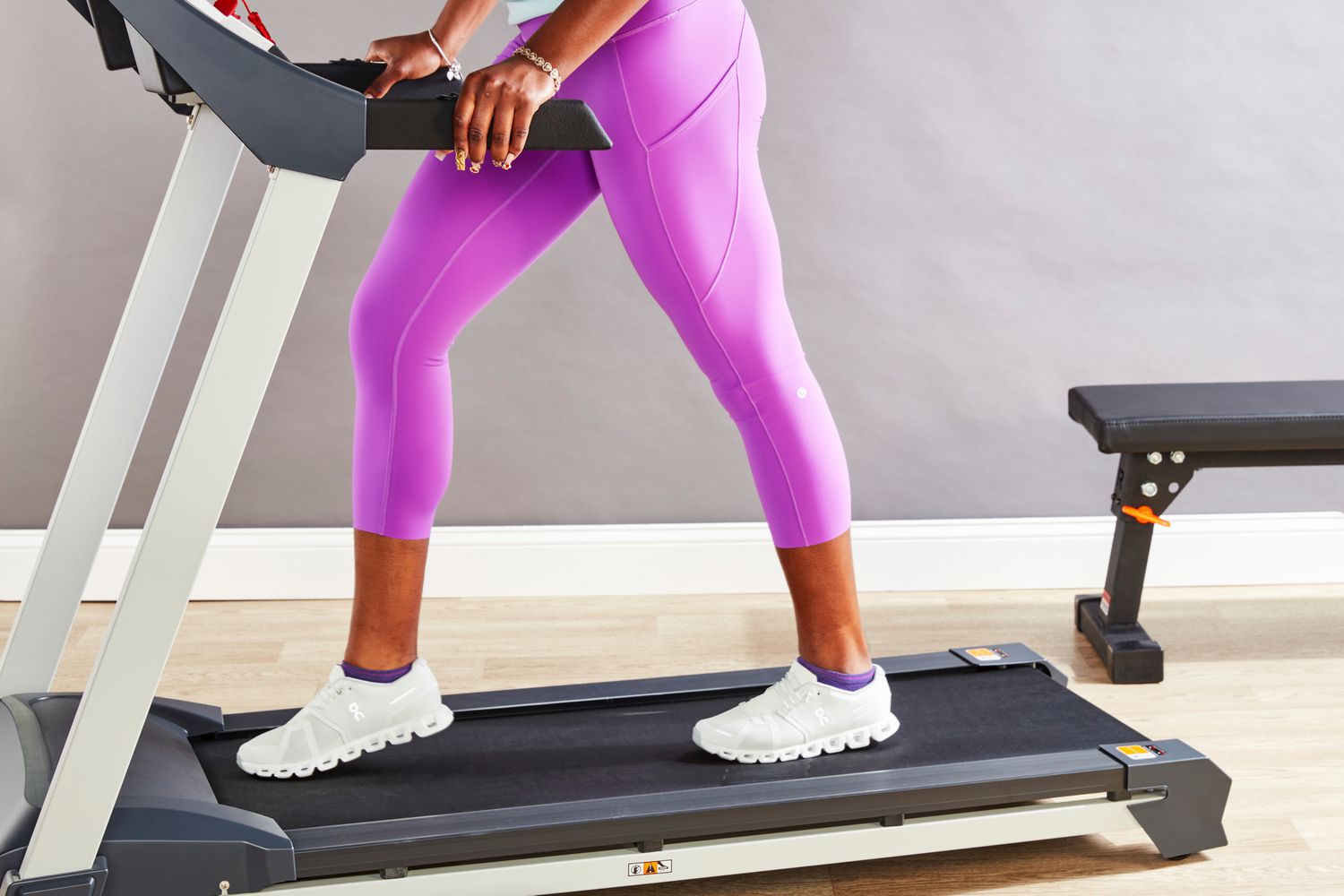
Our Top Picks
- Top Overall: Lululemon Swift Speed. Features high compression and Luxtreme fabric, making it the best choice for total lower body recovery and high-intensity support.
- Best for Running: Sweaty Betty Zero Gravity. These offer targeted compression and UV protection, ideal for long miles and protecting skin during recovery runs.
- Best Value: Under Armour UA RUSH. Utilizes mineral-infused fabric to reflect energy and improve circulation at a more accessible price point.
- Most Sustainable: Girlfriend Collective. Made from 79 percent recycled plastic, providing firm compression without the environmental footprint.
Post-workout recovery is just as important as the training itself. To speed up the repair of muscle micro-tears and reduce post-exercise inflammation, choosing the best compression leggings is a game-changer. These garments use graduated compression to boost venous return and oxygenated blood flow, helping you bounce back faster. Compression leggings speed up recovery by increasing blood flow from the lower body back to the heart. This enhanced circulation delivers oxygen and nutrients to fatigued muscles more efficiently, facilitating the repair of muscle micro-tears. Additionally, the mechanical pressure helps stabilize muscles during movement, reducing muscle oscillation and inflammation caused by high-impact exercise.
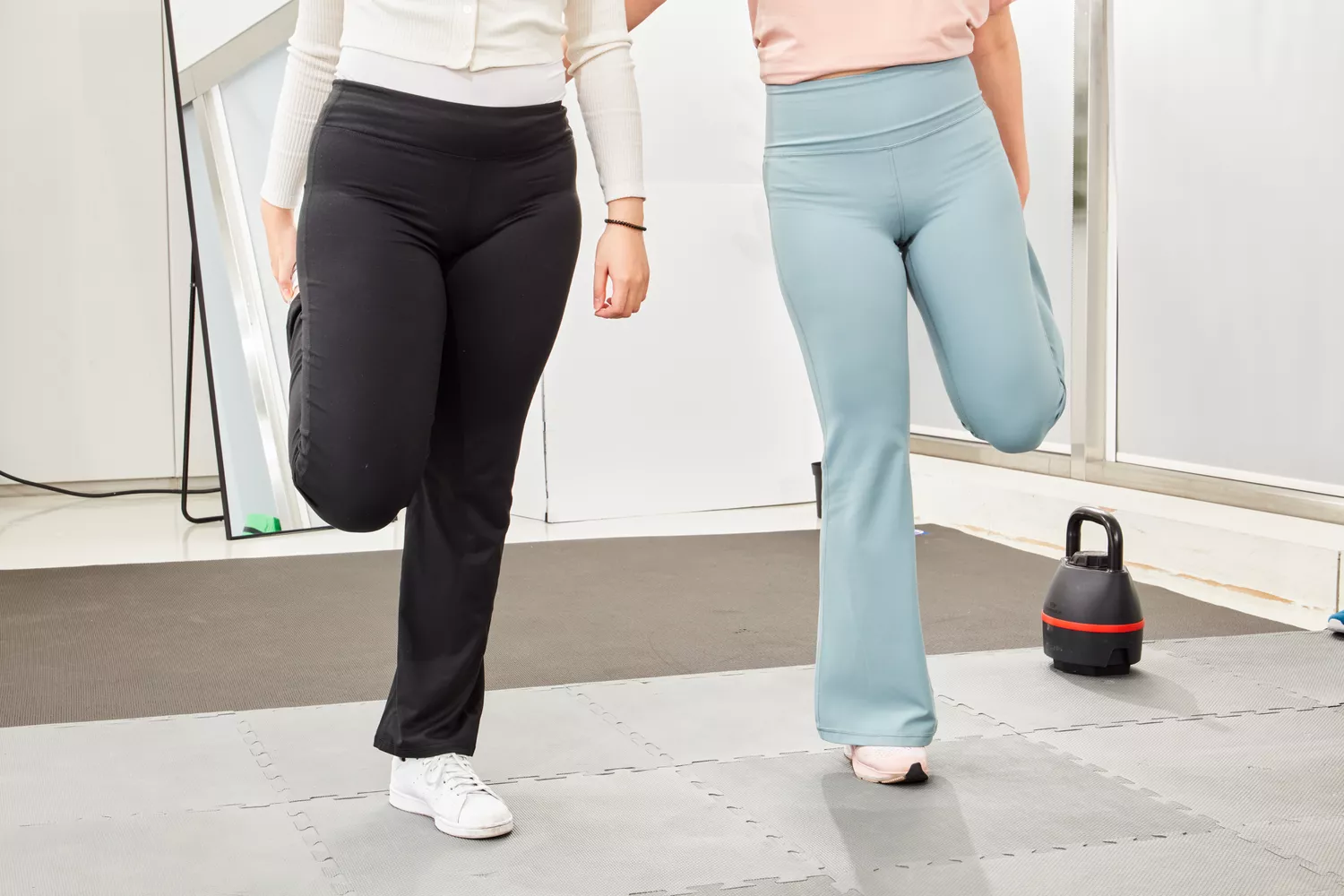
The Science of Recovery: Why Compression Works
As an editor focused on athletic performance, I prioritize physiology over fashion. The primary benefits of compression leggings include reduced delayed onset muscle soreness (DOMS) and decreased leg swelling after exercise. By applying graduated pressure, which is tighter at the ankle and loosens as it moves up the leg, these garments assist in the removal of metabolic waste and improve venous return. This process minimizes post-exercise inflammation and fatigue, helping athletes return to their training schedules with less physical discomfort.
The data backs this up. A meta-analysis published in Sports Medicine found that compression garments provide significant benefits for strength recovery after resistance exercise, with the largest effects observed at intervals between 2 to 8 hours and over 24 hours post-workout. This suggests that the timing of when you wear your gear is just as critical as the gear itself.
Research from Victoria University indicates that wearing full-length compression tights for at least four hours after a lower-body resistance session improves local blood flow and enhances the quality of recovery. By providing external pressure on the limbs, the fabric helps reduce the space available for swelling and keeps the blood moving. Furthermore, scientific reviews have consistently shown that compression garments significantly reduce the severity of delayed-onset muscle soreness (DOMS) and perceived fatigue within the first 24 to 48 hours of the recovery period. This reduces muscle oscillation—the micro-vibrations that occur when your foot hits the ground—which is a major contributor to muscle damage during high-impact sports.
Our Testing Methodology
To find the best compression leggings, our team implemented a rigorous 88-pair testing protocol over a 4-week period. We didn't just look at the labels; we put these tights through real-world stress tests. Our testers ranged from marathon runners to powerlifters to ensure we captured a broad spectrum of recovery needs.
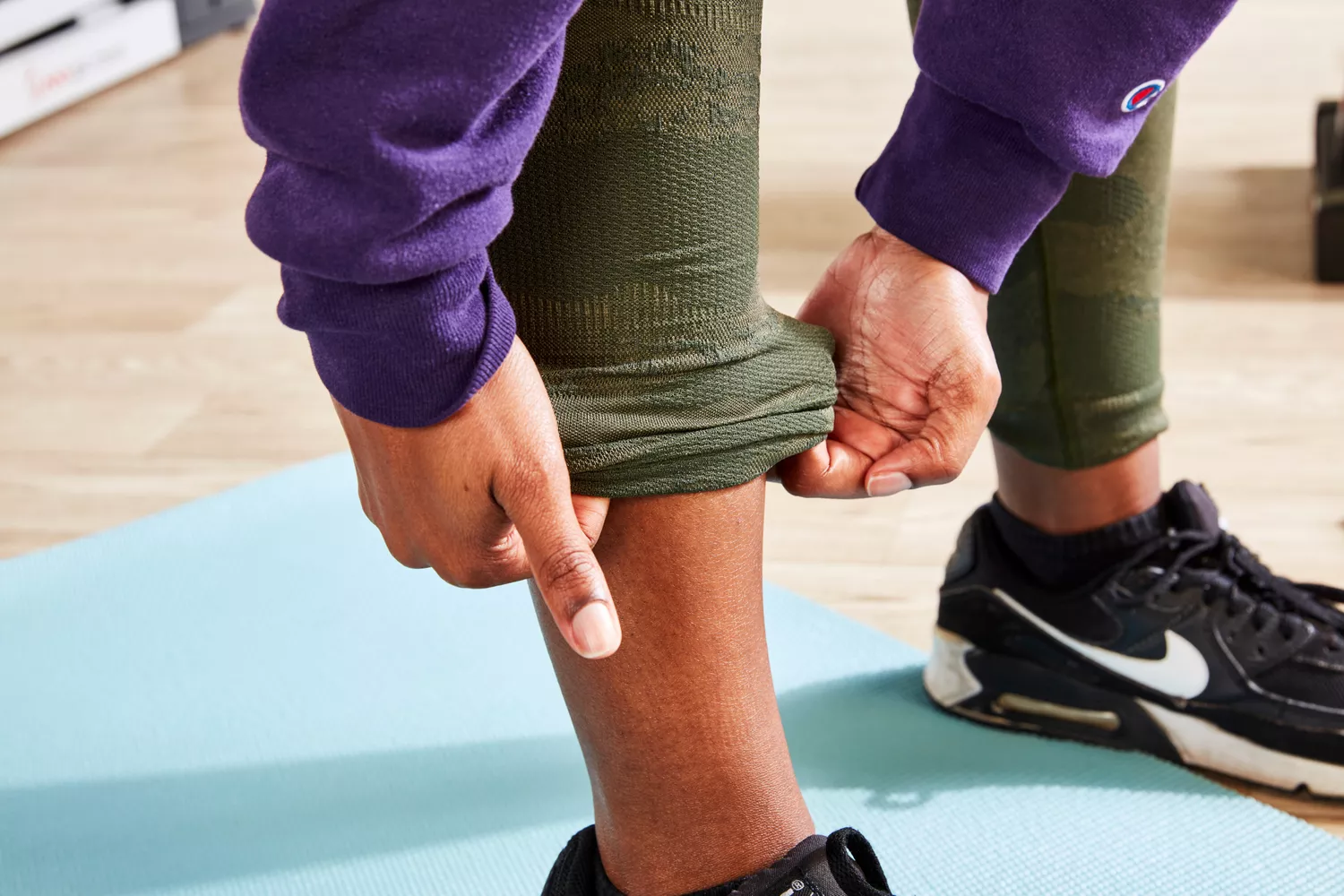
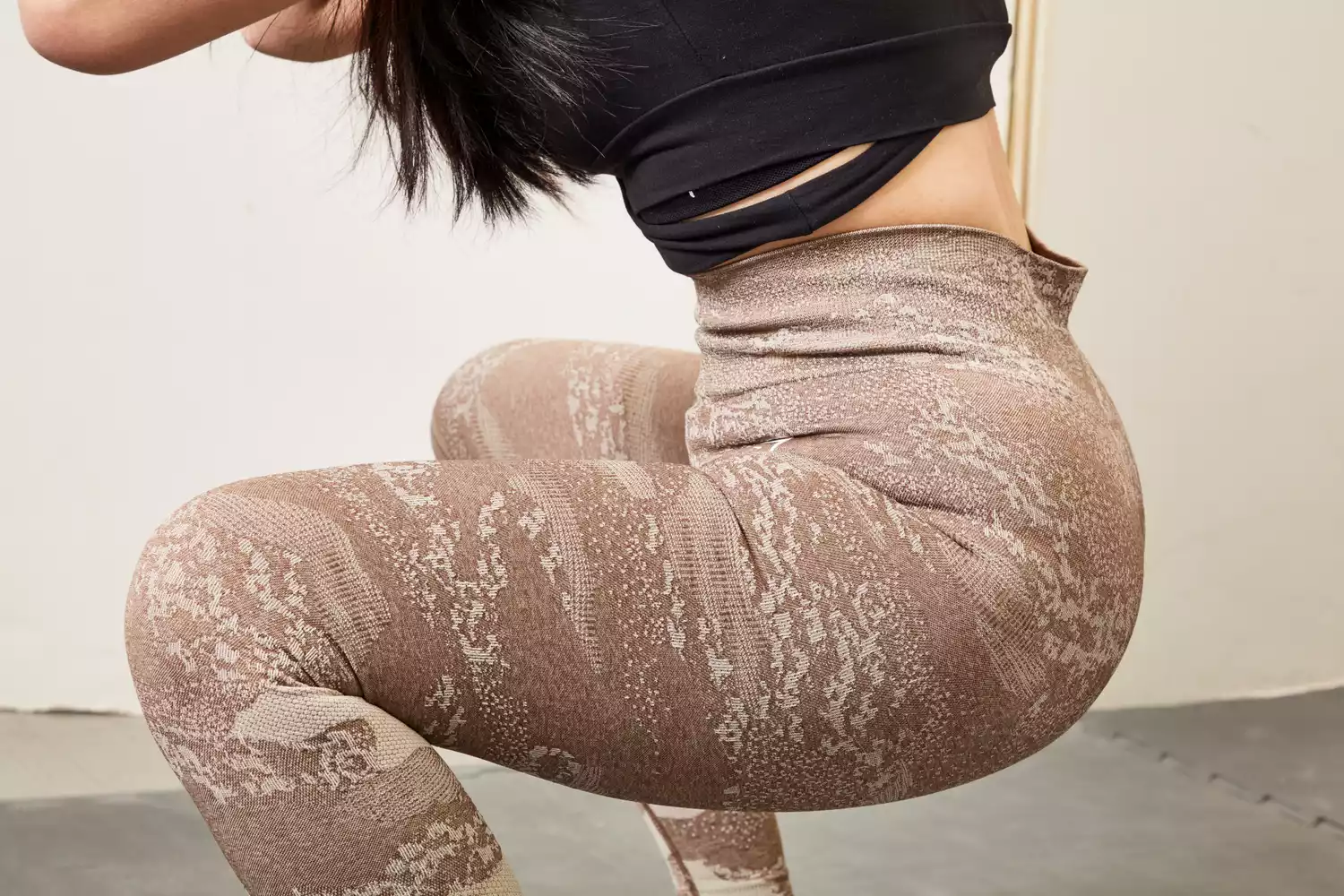
The framework focused on three key performance indicators. First, we conducted a 60-second hold test to assess how well the fabric maintains its pressure without sagging. Second, we performed a squat-proof opacity check to ensure the material remains thick and supportive during deep movements, providing muscle stability throughout the kinetic chain. Finally, every pair went through 10 wash and wear cycles to monitor for elasticity loss and pilling.
Safety is also a priority in my reviews. Given recent concerns regarding BPA in polyester and spandex blends, we cross-referenced material safety data and prioritized brands with OEKO-TEX certification or clear BPA safety protocols. We also looked for technical construction details like flatlock seams, which prevent skin irritation during extended wear periods.
9 Best Compression Leggings for Faster Recovery
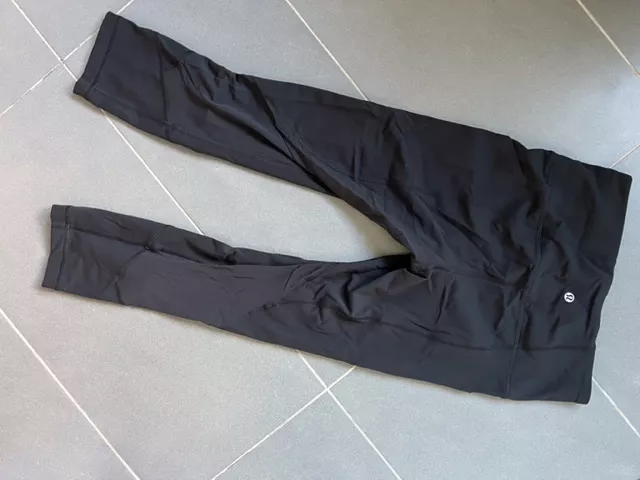
1. Lululemon Swift Speed
This is the gold standard for high compression. Designed with Luxtreme fabric, it offers a firm, locked-in feel that is perfect for high-intensity training and the subsequent recovery phase. The material is slick and cool to the touch, which helps with thermoregulation.
- Material: 77% Nylon, 23% Lycra Elastane
- Compression Level: High (18-20 mmHg feel)
- Inseam: 28"
- Best For: High-impact training and maximum muscle stability.
2. Sweaty Betty Zero Gravity
These are specifically engineered as athletic compression tights for running. The Italian fabric is incredibly lightweight and includes UV protection, making them a top choice for outdoor athletes who need muscle support without the bulk.
- Material: 73% Polyamide, 27% Elastane
- Compression Level: Moderate
- Inseam: 24" - 27"
- Best For: Distance running and sun protection.
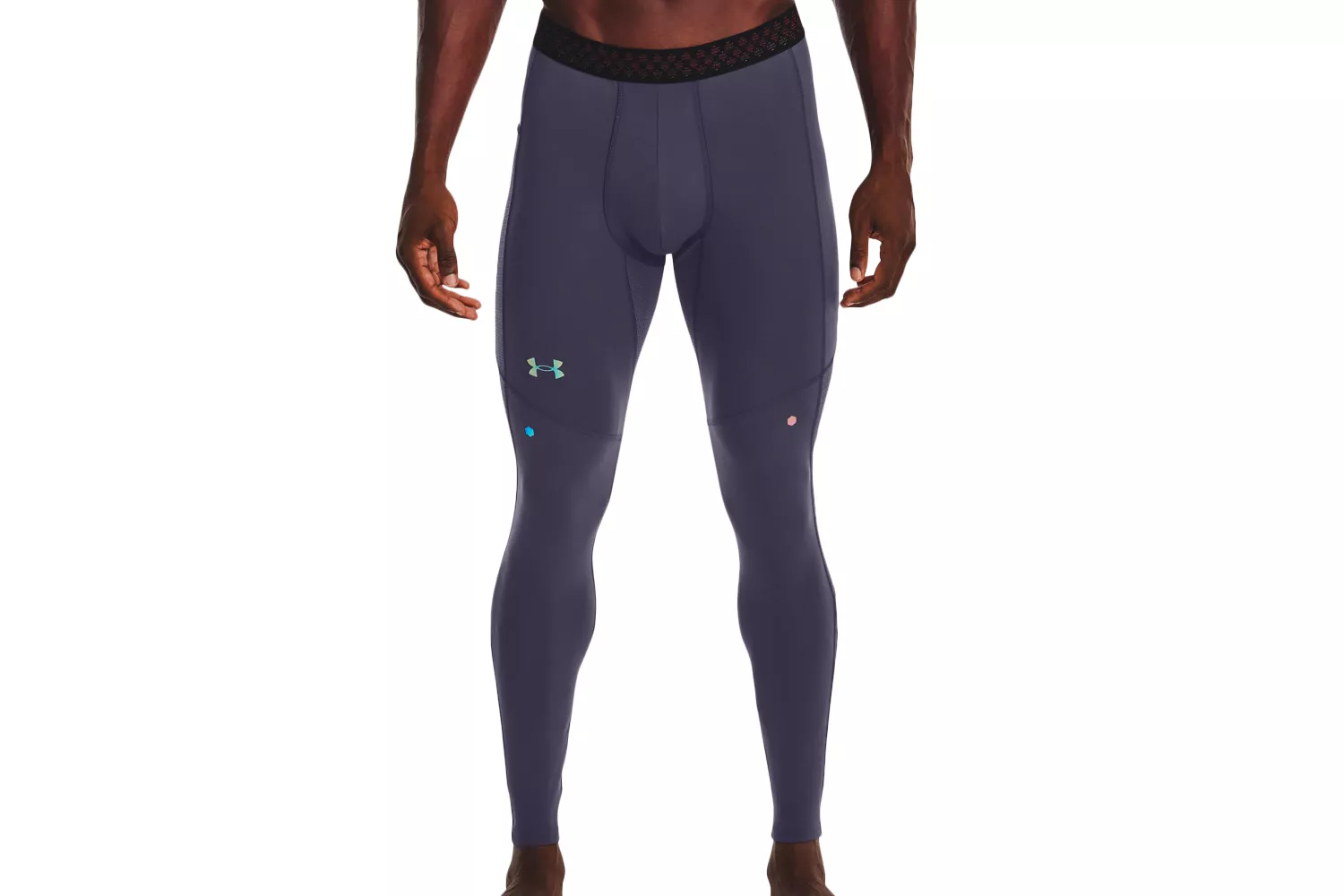
3. Under Armour UA RUSH
The UA RUSH series uses mineral-infused fabric that absorbs your body's energy and reflects it back into your tissues. This is a unique approach to recovery that complements the physical pressure of the garment. It is often cited as the best compression leggings for men's muscle recovery due to its anatomical fit and durability.
- Material: 82% Polyester, 18% Elastane (Celliant technology)
- Compression Level: Moderate
- Inseam: 29"
- Best For: Value-conscious athletes and energy return.
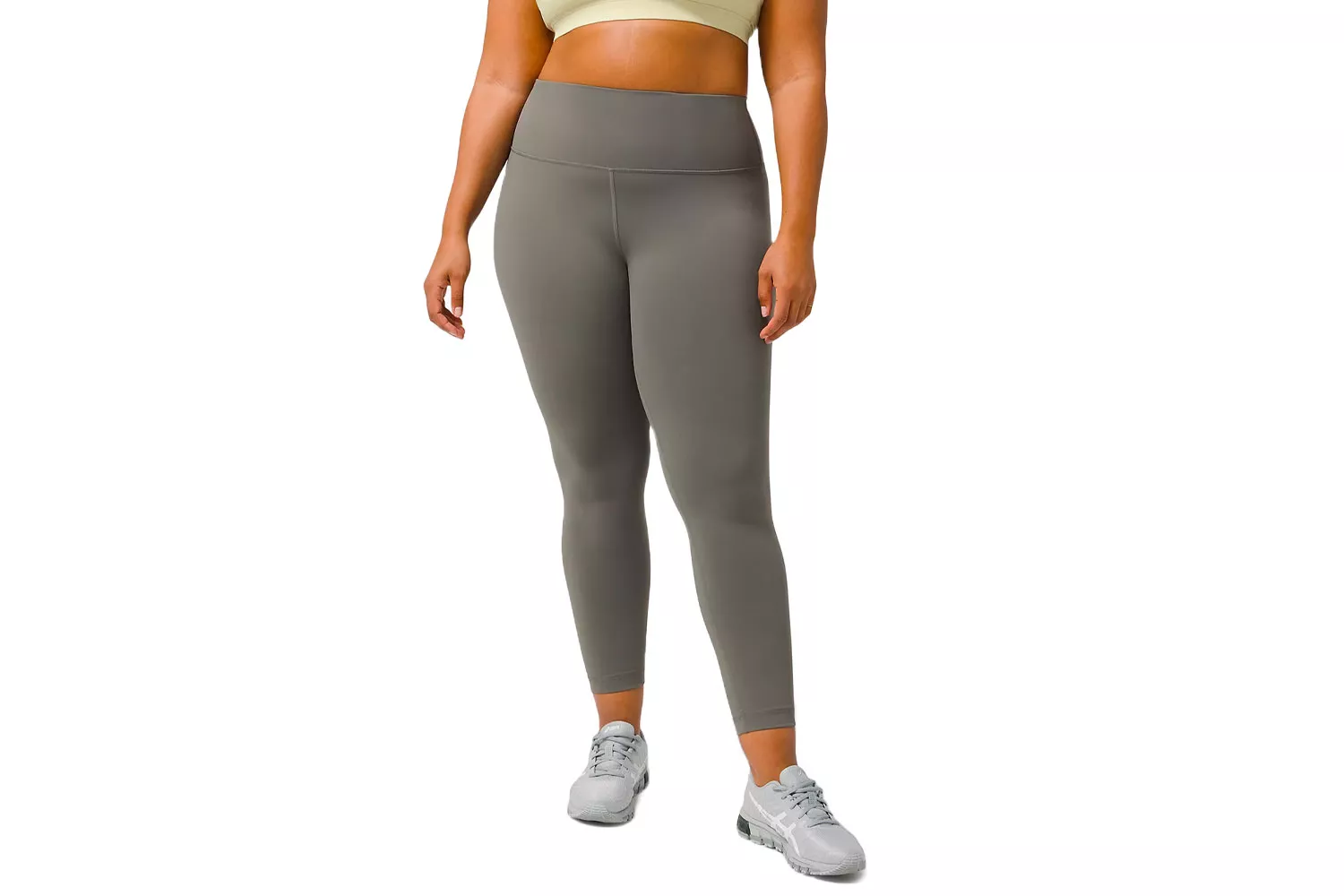
4. Girlfriend Collective Compressive High-Rise
For the eco-conscious athlete, this pair leads the market. The high-compression running tights for leg recovery are made from recycled water bottles, but don't let the "eco" tag fool you—they are incredibly tight and effective at reducing lactic acid removal through improved circulation.
- Material: 79% Recycled Polyester (RPET), 21% Spandex
- Compression Level: High
- Inseam: 23.75" - 28.5"
- Best For: Sustainable performance and full-day wear comfort.
5. 2XU Recovery Compression Tights
2XU is a brand synonymous with sports science. These specific recovery tights are designed to be worn after exercise. They feature extra-firm PWX fabric that targets the major muscle groups to reduce swelling and improve venous return.
- Material: 65% Nylon, 35% Lycra
- Compression Level: Very High (20-25 mmHg)
- Inseam: Standard
- Best For: Elite-level recovery protocols and post-marathon use.
6. CW-X Endurance Generator Joint & Muscle Support
If you have joint issues alongside muscle fatigue, CW-X is the answer. They use a patented support web that mimics kinesiology tape. This provides specific support to the knees and hips while maintaining high compression on the quads and calves.
- Material: 70% Polyester, 30% Spandex
- Compression Level: Moderate-High
- Inseam: 27"
- Best For: Athletes with joint instability or knee pain.
7. Nike Pro Dri-FIT Tights
Nike Pro is a staple for a reason. While they are lighter than some "medical-grade" options, they excel in moisture-wicking fabric performance. They are great as a base layer or for light recovery sessions where breathability is a priority.
- Material: 90% Polyester, 10% Spandex
- Compression Level: Light-Moderate
- Inseam: Various
- Best For: Daily gym use and moisture management.
8. Skins Series-3 Recovery
Skins specializes in gradient compression. The Series-3 is designed to maximize oxygenated blood flow back to the heart. It is one of the few brands that uses multiple measurement points to ensure the pressure is exactly where the body needs it most.
- Material: 76% Nylon, 24% Elastane
- Compression Level: High
- Inseam: Standard
- Best For: Reducing leg swelling after exercise and long-haul travel.
9. Gymshark Apex Tights
Gymshark has moved beyond just "gym wear" with the Apex line. These offer high-quality compression leggings for delayed onset muscle soreness by focusing on targeted ventilation zones combined with high-stretch, high-pressure fabric.
- Material: 67% Nylon, 33% Elastane
- Compression Level: Moderate
- Inseam: 28"
- Best For: Bodybuilders and athletes looking for a modern, aesthetic fit.
Buyer's Guide: How to Choose Your Recovery Gear
Choosing the right pair requires understanding the difference between compression leggings and regular gym tights. Standard leggings are designed for aesthetics and basic flexibility, whereas true recovery tights are built with specific pressure gradients measured in mmHg (millimeters of mercury).
For optimal recovery, compression leggings should be worn for several hours following intense physical activity to help move blood through the lower extremities. While they are safe for all-day wear due to their gentle pressure, they should be removed if they cause pain, skin irritation, or feel overly restrictive. They are also highly effective during long periods of travel or sitting to maintain circulation.
When sizing, remember that they should feel snug but not restrictive. If you feel a tingling sensation or if the waistband digs into your skin painfully, you have gone too small. Look for a high-rise waistband that stays in place without rolling, as this ensures the pressure remains consistent across the entire lower body. Furthermore, ensure the fabric offers moisture-wicking fabric properties if you plan to wear them immediately after a sweaty session to prevent skin irritation.
FAQ
What are the benefits of wearing compression leggings?
The main benefits include improved blood circulation, reduced muscle vibration, and faster removal of metabolic waste. This leads to less muscle soreness after a workout and reduced swelling in the legs. By providing muscle stability, they also help prevent micro-tears during high-impact activities like running or plyometrics.
How tight should compression leggings feel?
They should feel significantly tighter than your average pair of leggings, offering a "second skin" feel. However, they should never be so tight that they restrict your range of motion or cause numbness. You should feel a firm, supportive pressure, especially around the ankles and calves.
Can you wear compression leggings all day?
Yes, most recovery-grade leggings are safe for all-day wear. Many athletes wear them for 8 to 12 hours following a major event or during long flights to prevent blood pooling. However, if you experience any skin irritation or discomfort, you should take them off and check the sizing.
How do I choose the right level of compression?
For active recovery and general gym use, a moderate level (15-20 mmHg) is usually sufficient. If you are using them strictly for post-workout recovery or have significant swelling issues, you may want to look for higher, medical-grade levels (20-30 mmHg). Always check the manufacturer's specific pressure ratings if they are available.
What is the difference between compression leggings and regular leggings?
The key difference is the technical construction and fabric tension. Regular leggings are designed for comfort and style, often using four-way stretch fabrics that offer little actual pressure. Compression leggings use higher percentages of elastane and specialized knitting techniques to provide graduated pressure that actively assists with venous return and muscle support.