Quick Facts
- Immediate Hack: Practicing resonance breathing at a rate of six breaths per minute for 10 to 20 minutes daily can increase baseline heart rate variability by 10% to 20% within two to three weeks.
- Top Exercise: High-intensity interval training (HIIT) is the most effective modality for long-term vagal remodeling, supporting higher baseline scores.
- Recovery Timeline: Research shows that heart rate variability typically returns to baseline approximately 72 hours after a high-intensity strength training session, following a significant dip at the 24-hour mark.
- Sleep Impact: Consistency in your sleep window (within 30 minutes) is a more powerful driver of nocturnal HRV than the total number of hours slept.
- Performance Gain: Using HRV-guided training has been shown to result in a 5% increase in peak power and a 14% increase in power at the second ventilatory threshold compared to static programs.
- The Red Flag: An RMSSD reading consistently below 15-20ms, or a sudden 30% drop from your 7-day average, often signals clinical overtraining syndrome.
To improve HRV and increase your baseline over time, prioritize consistent aerobic exercise, high-quality sleep, and daily resonance breathing. Research suggests that 150 minutes of moderate aerobic training per week or 2-3 HIIT sessions can significantly boost RMSSD and SDNN markers. Reducing alcohol consumption and maintaining a regular circadian rhythm are also critical for long-term autonomic nervous system balance.
Understanding the Metric: RMSSD vs. SDNN
In the world of wearable biometrics, heart rate variability is often misunderstood as a measure of how fast your heart beats. In reality, it is a measure of the millisecond-level variations between those beats. This variation is governed by the autonomic nervous system balance between the sympathetic (fight or flight) and parasympathetic (rest and digest) branches. When you are well-recovered, these two systems are in a constant, healthy tug-of-war, creating high variability.
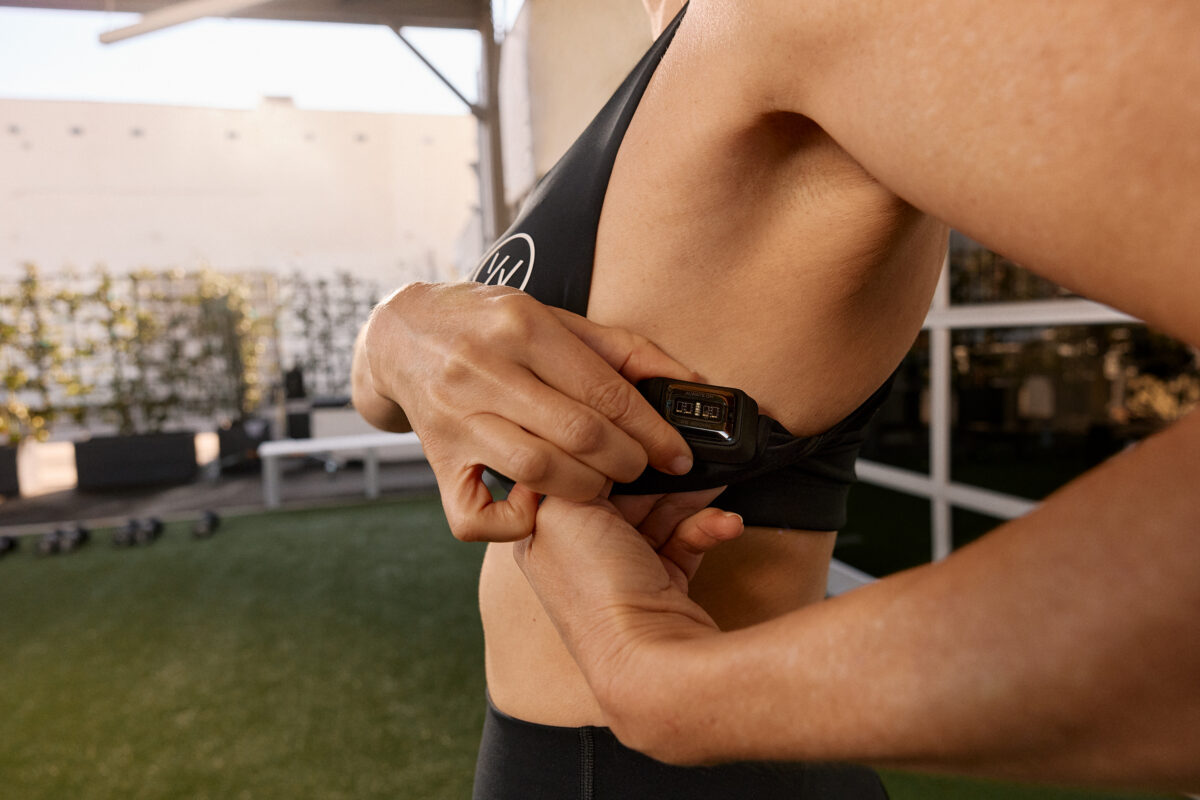
For athletes tracking recovery via Oura, Whoop, or Garmin, the most important metric to watch is RMSSD (Root Mean Square of Successive Differences). While SDNN (Standard Deviation of NN intervals) is excellent for looking at overall health over a 24-hour period, RMSSD specifically captures the activity of the parasympathetic activation. It tells us how well the vagus nerve is functioning to settle the heart down after the stress of a heavy squat session or a 10-mile run. If you want to improve HRV for performance, you are essentially looking to improve your RMSSD.
1. Resonance Breathing for Vagus Nerve Stimulation
If you need an immediate boost to your parasympathetic state, resonance breathing is the most effective tool in the kit. This involves breathing at a specific frequency—usually six breaths per minute—which synchronizes your heart rate, blood pressure, and brain waves. This state of "coherence" maximizes the influence of the vagus nerve on the heart.
The protocol is straightforward:
- Inhale for 5 seconds through the nose.
- Exhale for 5 seconds through pursed lips or the nose.
- Maintain this rhythm for 10 to 20 minutes, ideally before bed or immediately post-workout.
This technique is a cornerstone of resonance breathing techniques for vagus nerve stimulation because it triggers a physiological "reset." By slowing the breath, you signal to the brain that the physical threat (the workout) is over, allowing for faster heart rate recovery. Consistent practice not only helps you recover from a single session but builds a more resilient autonomic nervous system over time.
2. Cold Water Face Immersion and the Dive Reflex
While full-body ice baths are popular, they can sometimes blunt muscle hypertrophy if used too close to strength training. However, cold water face immersion is a targeted "hack" that stimulates the mammalian dive reflex without the systemic inflammatory blunting of a full soak. When cold water hits the ophthalmic nerves around your eyes and forehead, it triggers an immediate drop in heart rate and an increase in vagal tone.
To use this for HRV recovery, fill a sink with water between 10–15°C (50–59°F). Submerge your face while holding your breath for 15 to 30 seconds. Repeat this 3 times. This specific application of cold water face immersion for heart rate variability is particularly useful after high-intensity intervals to "shut off" the sympathetic drive and kickstart the repair process.
3. HRV-Guided Training: Adjusting Intensity
The most sophisticated way to use your data is through HRV-guided training for workout intensity adjustments. Rather than blindly following a spreadsheet, you use your morning HRV score to dictate the day's "load." This prevents the accumulation of chronic stress that leads to overtraining syndrome.
A practical protocol for interpreting HRV trends for post-workout recovery looks like this:
- High HRV (Above 7-day average): Your nervous system is primed. This is the day for PR attempts, heavy compound lifts, or high-intensity sprints.
- Stable HRV (Within 5% of average): Proceed with your planned training at moderate to high intensity.
- Low HRV (10% below average): The body is under strain. Pivot to Zone 2 cardio, mobility work, or technical drills that don't tax the CNS.
- Crashing HRV (20%+ below average): Take a full rest day or focus on active recovery like walking.
By listening to these trends, athletes often find they can train harder on their "green" days, leading to better long-term gains than the "grind every day" mentality.
4. Sleep Consistency and Nocturnal HRV
The most significant driver of a high baseline is not the amount of sleep you get, but the consistency of when you get it. Your circadian rhythm heavily influences the autonomic nervous system. Going to bed at 10 PM on weekdays and 1 AM on weekends creates "social jetlag," which causes a significant dip in nocturnal HRV.
Research into the impact of sleep consistency on nocturnal HRV suggests that keeping your sleep and wake times within a 30-minute window every day is the single most effective way to raise your baseline. To optimize this further:
- Keep the bedroom temperature between 18–19°C (64–66°F).
- View natural sunlight within 30 minutes of waking to "set" your internal clock.
- Avoid blue light 90 minutes before bed to ensure the parasympathetic system can take over.
5. The Alcohol Impact: Why One Drink Lowers HRV
If you are serious about ways to raise baseline HRV, you have to look at your evening habits. Alcohol is a potent metabolic stressor that essentially "paralyzes" the parasympathetic nervous system during sleep. Data from major wearable companies shows that even a single drink can lead to a 15.6% drop in HRV, often lasting for 24 to 48 hours.
This alcohol impact happens because the liver prioritizes clearing ethanol, which keeps the heart rate elevated and the body in a state of low-level stress throughout the night. If you have a big training block coming up, eliminating or severely limiting alcohol is the fastest way to maintain autonomic nervous system balance and ensure your recovery isn't being sabotaged while you sleep.
6. Aerobic Base Building (Zone 2 and HIIT)
It seems counterintuitive, but the best way to handle stress is to apply it correctly. Aerobic exercise is the primary driver of long-term vagal remodeling. There are two specific ways to approach this:
- Zone 2 Cardio: Spending 150 minutes per week at a heart rate where you can still hold a conversation builds the "aerobic base." This increases the size of the heart's chambers and improves the efficiency of oxygen delivery, which naturally raises your RMSSD.
- HIIT Sessions: Performing 2-3 sessions of intervals (e.g., 4 minutes on, 3 minutes off) pushes the heart to its limits and forces a strong parasympathetic rebound during the rest periods.
Combining these two methods is the gold standard for how to increase baseline HRV over time. The Zone 2 work provides the foundation, while the HIIT sessions "train" the nervous system to switch between high-stress and high-recovery states more fluidly.
7. Targeted Supplementation: Omega-3s and Adaptogens
While no pill can replace good sleep and training, specific nutritional interventions support stress resilience. Two supplements stand out in the clinical literature:
- Omega-3 Fatty Acids: Taking 1-2g of high-quality fish oil daily has been shown to improve heart rate recovery. The EPA and DHA help stabilize the electrical activity of the heart and support the health of the vagus nerve.
- Ashwagandha: This adaptogen helps regulate the cortisol response. Clinical trials suggest that 300-600mg of KSM-66 Ashwagandha can preserve RMSSD during periods of high-volume training by preventing the sympathetic nervous system from becoming overactive.
These supplements work by bolstering the body's internal buffers, making it easier to maintain sympathovagal balance even when life or training gets intense.
HRV Norms by Age and Clinical Red Flags
It is important not to compare your score to the person next to you in the gym. HRV is highly individual and declines naturally with age. What matters is your trend relative to your personal baseline.
| Age Range | Typical RMSSD Range (ms) |
|---|---|
| 20–29 | 55–105 |
| 30–39 | 45–85 |
| 40–49 | 35–75 |
| 50–59 | 25–55 |
| 60–69 | 20–45 |
Clinical Red Flag: While daily fluctuations are normal, a persistent downward trend in HRV over 2-3 weeks, combined with an elevated resting heart rate and persistent muscle soreness, is a clinical indicator of overtraining. If your RMSSD drops below 15ms for multiple days, it is time for a "deload" week or a complete break from high-intensity work.
FAQ
How can I naturally increase my heart rate variability?
Naturally increasing your HRV requires a multi-pronged approach: prioritize sleep consistency, engage in at least 150 minutes of Zone 2 aerobic exercise weekly, and practice resonance breathing daily. Reducing systemic stressors like alcohol and processed sugars also allows the parasympathetic nervous system to function more efficiently.
How long does it take to see improvements in HRV?
You can see acute, temporary improvements in HRV within minutes of practicing resonance breathing or cold water immersion. However, to see a lasting increase in your baseline HRV, it typically takes two to four weeks of consistent lifestyle changes, such as improved sleep hygiene and aerobic base building.
How does overtraining impact your HRV?
Overtraining causes a state of chronic sympathetic dominance. This leads to a significant and sustained drop in HRV markers like RMSSD. When you are overtrained, your heart rate becomes "static" because the autonomic nervous system is too exhausted to respond dynamically to internal and external stressors.
What role does sleep play in improving HRV?
Sleep is the primary window for parasympathetic activation and physical repair. High-quality, consistent sleep allows the body to lower its heart rate and maximize variability. Disruptions to your circadian rhythm, such as irregular bedtimes or late-night blue light exposure, significantly reduce nocturnal HRV, leaving you less recovered the following day.
What is a healthy HRV score for my age?
A healthy HRV score is highly variable, but generally, younger adults (20-30) see RMSSD scores between 55-105ms, while older adults (50-60) may range from 25-55ms. Rather than focusing on a specific number, a "healthy" score is one that remains stable or shows a slight upward trend over several months of training.