Quick Facts
- Statistics: Approximately 60.8% of women who have experienced a urinary tract infection within the last 60 days report that the condition significantly impaired their sleep quality.
- Best Position: Sleeping on your back or your side with a pillow tucked between the knees is the best sleeping position for UTI pain relief as it aligns the hips and reduces pelvic tension.
- Biological Fact: Cortisol, the body’s natural anti-inflammatory hormone, levels drop at night, which can cause bladder inflammation and pain to feel more acute.
- Direct Answer: To improve your experience while sleeping with a UTI, prioritize reducing bladder pressure through specific positioning, managing your nighttime hydration schedule, and utilizing targeted OTC UTI relief for sleep like phenazopyridine.
- Key Advice: Avoid caffeine, alcohol, and spicy foods at night, as these are common bedtime bladder irritants to avoid that increase urinary frequency.
- Maintenance: Always finish your entire antibiotic course even if you start sleeping better, as the bacterial infection may still be present.
The best sleeping position for UTI pain involves reducing bladder pressure. Sleeping on your back or on your side with a pillow between your knees can help align the hips and pelvis, minimizing discomfort. Avoid lying on your stomach, as this increases pressure on the bladder and may worsen urgency. To manage sleeping with a UTI effectively, focus on nighttime UTI symptom management by stopping fluid intake 1–2 hours before bed while staying hydrated throughout the day to flush bacteria. Using a warm heating pad on the lower abdomen and considering OTC UTI relief for sleep can soothe pelvic tension and help you achieve restorative sleep.
Why UTI Symptoms Feel Worse at Night
If you have ever felt like your symptoms flare up the moment your head hits the pillow, you are not imagining it. There are several physiological reasons why managing UTI urgency at night feels like an uphill battle. First, our bodies follow a circadian rhythm that dictates hormone production. During the day, higher levels of cortisol help keep inflammation in check. As the sun goes down, cortisol levels naturally dip, which can make the bladder inflammation from a bacterial infection feel much more painful and intense.
Furthermore, when we sleep, our kidneys naturally slow down urine production to help us stay asleep longer. While this is usually a good thing, it means the urine sitting in your bladder becomes more concentrated. This concentrated urine is more acidic and irritating to the already sensitive bladder walls, leading to increased urinary frequency and that tell-tale stinging sensation.
Many women also experience Nocturia, a condition where you wake up multiple times during the night because of the urge to urinate. This cycle of waking up prevents you from reaching deep, restorative sleep, which is exactly what your immune system needs to fight off the infection. Understanding these biological shifts is the first step toward better nighttime UTI symptom management.
1. Master the Best Sleeping Position for UTI Pain
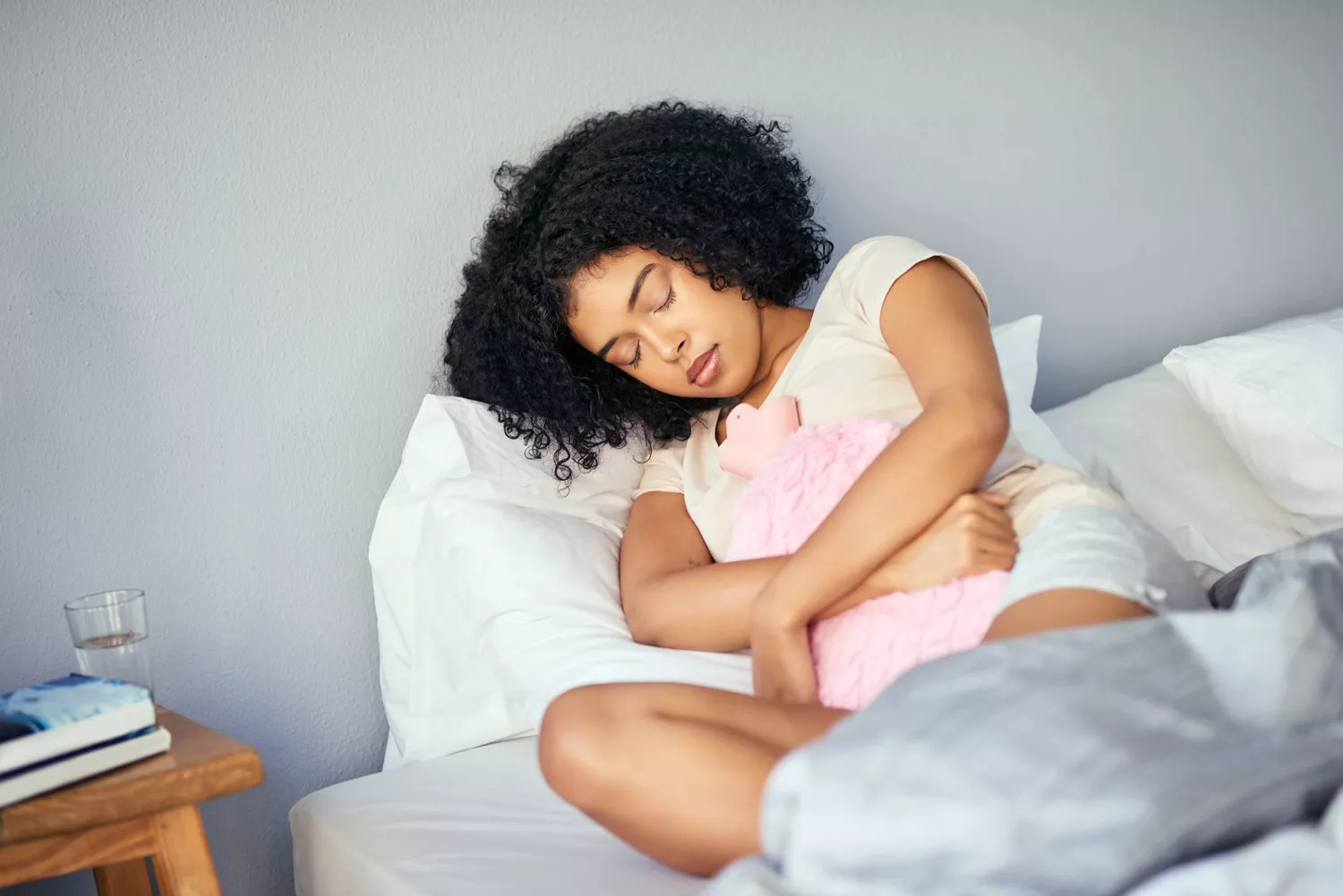
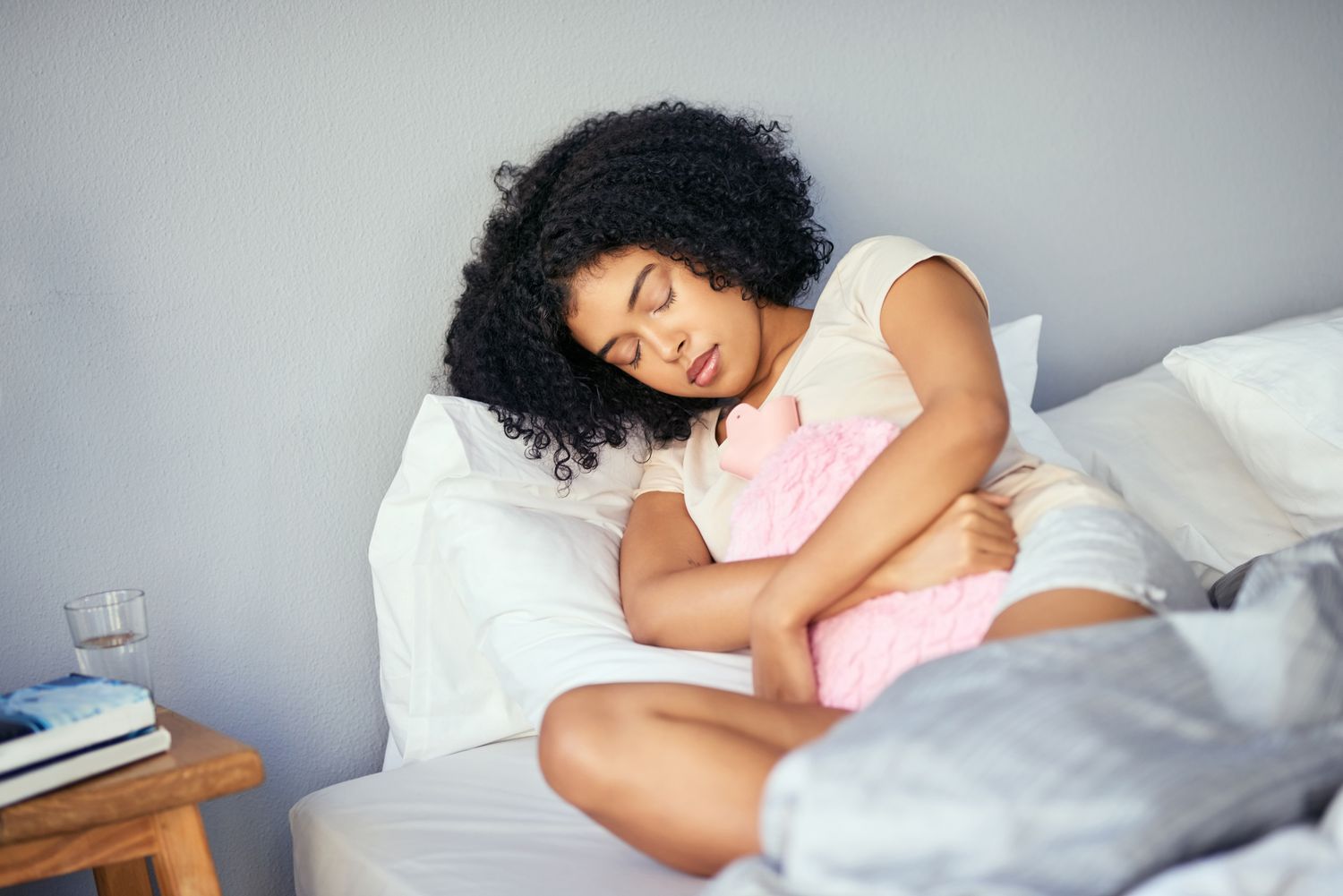
Physical comfort is often the biggest hurdle to overcome when sleeping with a UTI. The goal is to minimize any external or internal pressure on the bladder. For many, the best sleeping position for UTI pain is on the back. By lying flat on your back and placing a small pillow or rolled-up towel under your knees, you tilt the pelvis slightly, which can take the weight of other organs off the bladder.
If you are a side sleeper, you can still find relief. Try lying on your side with your knees slightly tucked toward your chest, and place a firm pillow between your knees. This helps keep your hips stacked and prevents the upper leg from pulling your pelvis out of alignment, which reduces pelvic floor tension.
Whatever you do, try to avoid sleeping on your stomach. This position places the direct weight of your torso onto your lower abdomen, significantly increasing the pressure on the bladder and exacerbating the feeling of urgency. If you find yourself rolling onto your stomach in your sleep, using a body pillow can act as a physical barrier to keep you on your side or back.
2. Optimize Your Nighttime Hydration Schedule
One of the most common mistakes I see is women cutting back on water entirely to avoid waking up. However, your body needs fluids to continue the bacterial infection flushing process. The trick is to front-load your hydration. Try to consume the bulk of your 50–68 ounces of water during the daylight hours.
Implement a strict hydration cutoff about 1–2 hours before you plan to go to sleep. This gives your kidneys enough time to process the last of the water and allows you to empty your bladder one final time before bed. If you get thirsty during the night, keep a small glass of water by the bed for sips rather than gulps. This nighttime hydration schedule for UTI recovery ensures you aren't dehydrated, which makes urine more irritating, while still helping you stop waking up to pee with UTI as frequently.
3. Eliminate Bedtime Bladder Irritants
What you consume in the evening can have a massive impact on your bladder's sensitivity. Certain foods and drinks act as diuretics or chemical irritants that trigger bladder spasms. Caffeine and alcohol are the biggest offenders, as they both increase urine production and irritate the bladder lining.
| Category | What to Sip (Safe) | What to Skip (Irritants) |
|---|---|---|
| Beverages | Plain water, Decaf herbal tea | Coffee, Soda, Alcohol |
| Juices | Low-sugar cranberry juice | Orange, Grapefruit, Tomato juice |
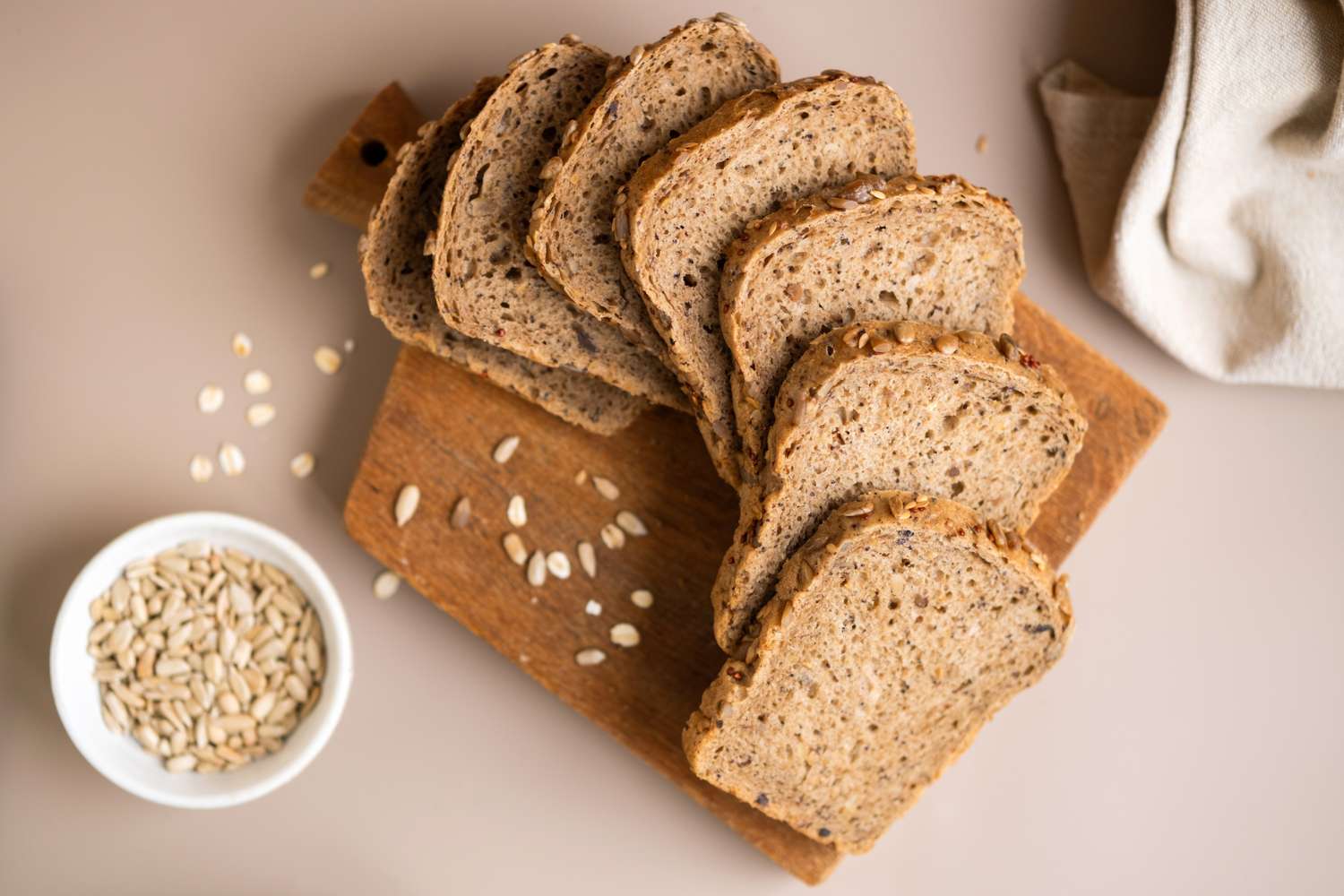
| Snacks | Mild yogurt, Whole grain toast | Spicy chips, Chocolate, Acidic fruits |
Beyond dietary triggers, be mindful of environmental irritants. Avoid using scented soaps or feminine hygiene sprays before bed, as these can further irritate the urinary tract and worsen the feeling of discomfort. Stick to plain water for cleansing the area to maintain a healthy balance. Identifying these bedtime bladder irritants to avoid can make a surprising difference in your level of nightly comfort.
4. Practice the 'Double Voiding' Technique
If you feel like you can't fully empty your bladder, you are likely dealing with pelvic floor tension. A helpful habit to incorporate into your nighttime UTI symptom management is the "double voiding" technique. When you go to the bathroom before bed, urinate as you normally would. Once you think you are finished, stay seated, lean slightly forward, and relax for about 30 to 60 seconds. Then, try to urinate again. This often helps clear out that last bit of residual urine that would have otherwise woken you up 20 minutes later.
To help relax the muscles surrounding the bladder, consider doing 5 minutes of gentle pelvic floor relaxation stretches before getting into bed. Poses like "Child’s Pose" or "Happy Baby" can help release tension in the lower back and pelvis, which reduces the constant urge to urinate while sleeping.
5. Use Targeted Heat Therapy and OTC Relief
When physical positioning isn't enough, turning to topical and over-the-counter solutions can provide that extra layer of relief needed for restorative sleep. A warm heating pad is a wonderful tool for managing UTI urgency at night. Applying heat to the lower abdomen or lower back for 15–20 minutes can help relax the bladder wall muscles and soothe the dull ache of pelvic pressure.
For more significant pain, you may want to look into OTC UTI relief for sleep. Many doctors recommend phenazopyridine (commonly known by the brand name AZO). This medication specifically targets the lining of the urinary tract, acting as a local anesthetic to "numb" the bladder and urethra. While it doesn't cure the infection, it is highly effective at stopping the burning and stinging sensations that keep you awake. Just be aware that it will turn your urine a bright orange color, which is perfectly normal.
6. Choose Breathable Sleepwear and Environment
Your sleep environment plays a subtle but important role in how to reduce bladder pressure while sleeping. Bacteria thrive in warm, moist environments, so keeping the pelvic area dry and cool is essential. Opt for loose, breathable sleepwear made from 100% natural cotton. Avoid tight leggings or synthetic fabrics like polyester, which can trap heat and moisture.
Furthermore, keeping your bedroom temperature between 60–67°F can help your body drop its core temperature, which is a signal for the brain to enter deep sleep. If you are worried about small leaks due to urgency, using incontinence liners can provide peace of mind regarding leaks. Feeling secure and dry allows your nervous system to relax, making it easier to drift off despite the discomfort. Using breathable sleepwear for UTI comfort is a simple yet effective way to support your body's healing process.
7. Stick to Your Antibiotic Course
It can be tempting to stop taking your medication or skip a dose once you finally get a good night's rest and the pain begins to fade. However, the absence of pain does not mean the bacterial infection is gone. If you stop your antibiotic course early, the strongest bacteria may survive, potentially leading to a more severe or recurrent infection.
To ensure long-term urinary tract health, set an alarm on your phone to remind you to take your medication at the same time every day. Consistent levels of the antibiotic in your system are necessary to fully clear the infection and prevent the return of those sleepless nights. Completing the full prescription is the only way to ensure that your nighttime UTI symptom management leads to a permanent cure.
When to See a Doctor While these tips can help you manage discomfort, a UTI is a medical condition that usually requires treatment. Seek immediate medical attention if you experience:
- Fever over 101°F or chills
- Pain in your side or upper back (flank pain)
- Nausea or vomiting
- Visible blood in your urine These symptoms may suggest the infection has spread to your kidneys, which is a serious medical emergency.
FAQ
How can I get comfortable enough to sleep with a UTI?
To get comfortable, focus on reducing physical pressure on the bladder. Use a heating pad on your lower abdomen to relax the muscles and experiment with sleeping positions that align your pelvis, such as lying on your back with a pillow under your knees. Loose, cotton clothing also prevents further irritation of the sensitive area.
What is the best sleeping position for UTI pain relief?
The best sleeping position for UTI pain relief is generally on your back with your legs slightly elevated by a pillow, or on your side with a pillow tucked between your knees. These positions help to distribute your body weight more evenly and take direct pressure off the inflamed bladder.
Why do UTI symptoms seem to get worse at night?
Symptoms often feel worse at night because your body produces less cortisol, a natural anti-inflammatory, during the evening. Additionally, urine becomes more concentrated as you sleep, which irritates the bladder wall more than the diluted urine produced during the day.
How can I stop the constant urge to urinate while sleeping?
Managing UTI urgency at night involves a combination of strategies: use the double voiding technique before bed, avoid bladder irritants like caffeine and alcohol in the evening, and consider taking OTC UTI relief for sleep like phenazopyridine to numb the bladder lining and reduce the urge to go.
Can I use a heating pad for UTI relief while I sleep?
Yes, you can use a heating pad for UTI pelvic pain at night, but it is safest to use one with an automatic shut-off timer. Place it on your lower abdomen for 20-minute intervals to help soothe bladder spasms and pelvic floor tension. Avoid placing the heat source directly on your skin to prevent burns.
What can I take at night to help with UTI pain?
For nighttime relief, phenazopyridine is a highly effective over-the-counter option that numbs the urinary tract. You can also talk to your doctor about ibuprofen or acetaminophen to help manage inflammation and general pelvic discomfort. Always ensure these medications do not interfere with your prescribed antibiotic course.