Quick Facts
- Primary Benefit: Improved airflow by reducing nasal airway resistance and correcting structural blocks.
- Immediate Reality: 1–3 days of peak congestion due to internal inflammation and surgical packing.
- Sleep Strategy: Head elevation (30–45 degrees) is mandatory for the first week to manage pressure.
- Success Rate: 68%–80% of patients report significant sleep quality improvement following the procedure.
- Healing Milestone: Internal splints are typically removed at one week; full biological healing takes 3–12 months.
Septoplasty improves sleep quality by correcting a deviated septum to reduce nasal airway resistance and airflow dynamics issues. By restoring proper nasal breathing, the procedure helps minimize mouth breathing and chronic snoring, which can lead to more stable REM sleep cycles and a reduction in morning fatigue.
The Connection: How Septoplasty Improves Sleep Quality
For many, a deviated septum is more than just a minor structural quirk; it is a nightly barrier to restorative rest. When the wall of cartilage between your nostrils is crooked, it creates high nasal airway resistance. This forces the body to work harder to pull air through the nose or, more commonly, to default to mouth breathing. While the mouth is great for eating, it is a secondary, less efficient tool for respiration. Mouth breathing often leads to a dry throat, increased snoring, and fragmented sleep architecture.
In addition to the deviated septum itself, many patients suffer from turbinate hypertrophy—where the small structures inside the nose swell in response to uneven airflow or allergies. This combination effectively chokes off the air supply during the night. By surgically straightening the septum and often reducing the size of the turbinates, an otolaryngologist can restore the natural path of air.
Clinical research has demonstrated that septoplasty can improve sleep efficiency from a pre-operative average of 56.6% to 75.9% at six months post-operation. This improvement directly impacts daytime alertness because the body spends more time in deep, oxygen-rich sleep rather than struggling to keep the airway open. There are also clear signs of improved nasal breathing during sleep post-op, such as waking up feeling refreshed rather than experiencing the heavy fog of morning fatigue.
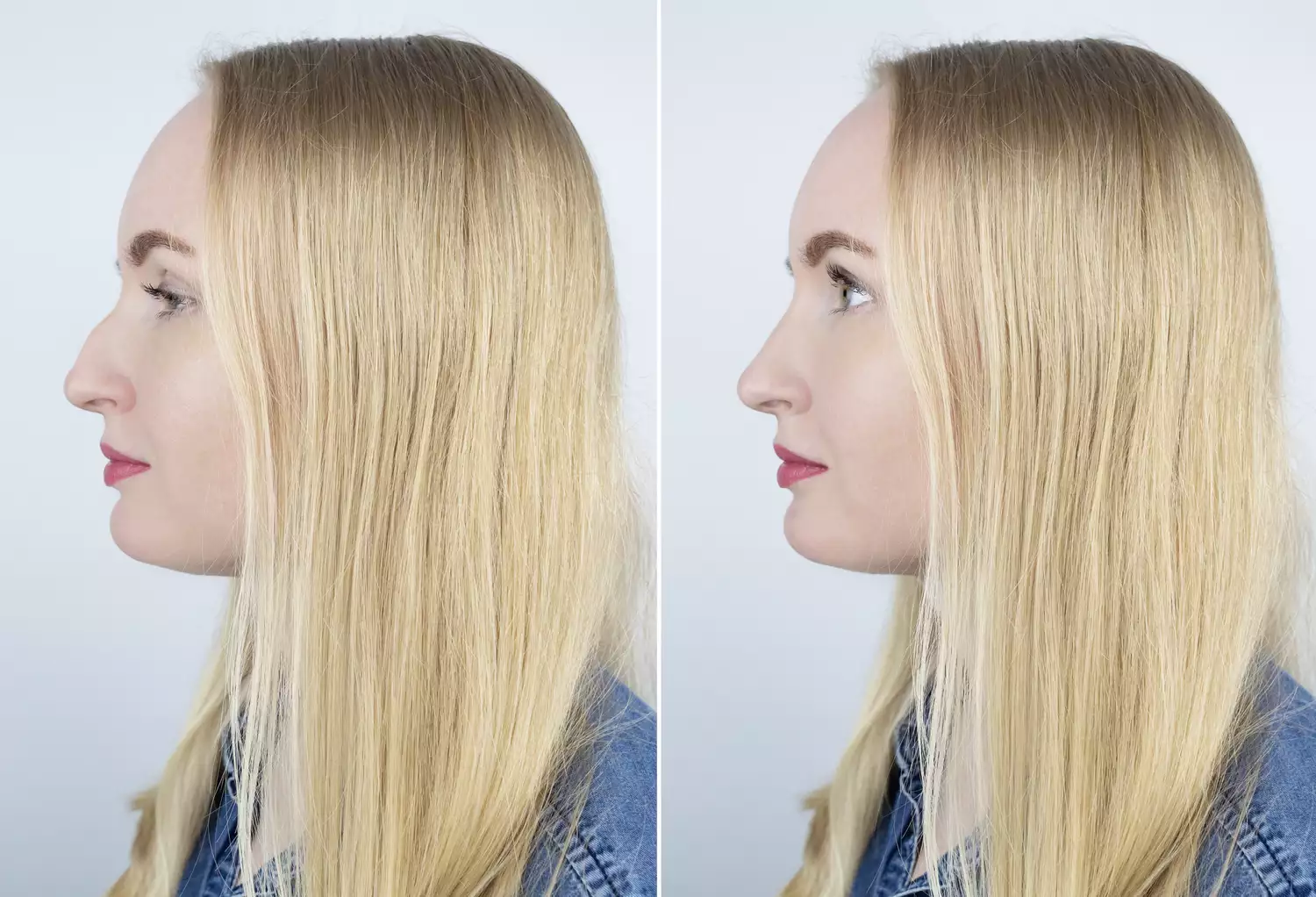
Recovery Timeline: What to Expect Post-Op
Understanding the septoplasty recovery timeline is essential for managing your expectations. Many patients expect to wake up from surgery and take a deep, clear breath immediately. In reality, it usually gets worse before it gets better.
I often use the sprained ankle analogy to explain this. If you sprained your ankle and a doctor reset the bone, you wouldn't expect to run a marathon the next day. The tissue is traumatized and needs time to shed the internal inflammation.
- Days 1–3 (The Peak): This is the most challenging phase. You will experience significant postoperative congestion and likely have to breathe entirely through your mouth. Sneezing might happen, and you should try to do it with your mouth open to avoid pressure buildup.
- Day 7 (The Turning Point): This is usually when you return to the clinic for splint removal. Many patients describe this as the first breath of fresh air they have had in years. While you aren't 100% healed, the functional improvement is massive.
- Month 1 (Functional Recovery): Most of the swelling has subsided. You are likely breathing after septoplasty surgery much better than you were before the operation, though some minor crusting or dryness may persist.
- Months 3–12 (Biological Remodeling): While you feel "normal," the deeper tissues and cartilage are still settling. This is the period of biological remodeling where the final results of your deviated septum sleep quality improvements become permanent.
What You’ll Feel vs. What to Do
| Timeframe | What You’ll Feel | What to Do |
|---|---|---|
| Days 1–3 | Intense congestion, dry mouth, "clogged" feeling | Use a humidifier; sleep with head elevated; stay hydrated. |
| Days 4–7 | Mild pressure, itching, anticipation for splint removal | Use saline nasal spray frequently; avoid blowing your nose. |
| Week 2+ | Sudden "open" sensation; occasional nasal crusting | Continue saline rinses; avoid sleeping on your face. |
Maximizing Comfort: Best Sleeping Positions After Septoplasty
During the first week of recovery, sleeping flat is your primary enemy. When you lie horizontal, blood pressure increases in the head and nasal tissues, which worsens internal inflammation and can lead to throbbing pain.
To optimize septoplasty sleep benefits, the best sleeping positions after septoplasty surgery involve keeping your head at a 30-to-45-degree angle. A wedge pillow is an excellent investment for this period, as it provides a stable incline that prevents you from rolling onto your side or stomach. Most surgeons recommend staying in this elevated position for at least one to two weeks. Knowing when to stop sleeping elevated after septoplasty usually depends on your swelling; once the morning "stuffiness" disappears, you can gradually transition back to your preferred position.
Another key to comfort is managing the dryness that comes with temporary mouth breathing. Keeping a bottle of water and a saline nasal spray by your bedside is vital. The saline spray keeps the nasal passages moist, which prevents the formation of painful crusts around the surgical site and supports nocturnal breathing.
Expectations vs. Reality: Snoring, Apnea, and CPAP
It is important to distinguish between nasal snoring and throat snoring. Think of your airway like a tube. If the "top" of the tube (the nose) is blocked, septoplasty will fix it. However, if the "middle" of the tube (the throat) is collapsing, that is a different issue—often referred to as the floppy tube analogy.
Septoplasty for chronic snoring and sleep quality is highly effective if the snoring originates from nasal resistance. In a study of 888 patients, the proportion of individuals experiencing moderate to severe limitations in sleep and daily activities due to nasal obstruction decreased from 83% before surgery to 33% twelve months after undergoing a septoplasty.
When it comes to obstructive sleep apnea, septoplasty is rarely a standalone cure. However, it is an incredible "enabler." Many apnea patients struggle with CPAP compliance because they cannot breathe through their nose well enough to tolerate the mask pressure. By improving airflow dynamics, septoplasty makes it significantly easier to use a CPAP machine, leading to better oxygen saturation and more consistent REM sleep cycles. While its impact on objective sleep apnea metrics varies, subjective assessments indicate that between 68% and 80% of patients report a significant improvement in their quality of sleep.
Red Flags: When to Call Your Otolaryngologist
While recovery is usually straightforward, you should stay vigilant for specific symptoms that require professional attention. Contact your otolaryngologist if you experience:
- Fever: Any temperature over 100.4°F (38°C) could indicate a burgeoning infection.
- Excessive Bleeding: While some "pink" drainage is normal, active, bright red bleeding that doesn't stop with light pressure is a concern.
- Foul Odor: A persistent, bad smell inside the nose can be a sign of infection or trapped debris.
- Neurological Symptoms: Sudden, severe headaches, vision changes, or a stiff neck should be reported immediately.
Editor’s Tip: Don’t rush the process. Improving deep sleep after deviated septum repair is a marathon, not a sprint. The first few nights of sleeping with nasal splints after septoplasty are the hardest, but the long-term payoff for your heart and brain health is worth the temporary discomfort.
FAQ
Does septoplasty improve sleep quality?
Yes, it significantly improves sleep quality for most patients. By correcting structural obstructions, the surgery reduces the effort required to breathe at night. This leads to fewer awakenings, less mouth breathing, and a higher percentage of time spent in restorative sleep stages.
Can septoplasty help with sleep apnea?
While septoplasty may not "cure" obstructive sleep apnea on its own, it plays a vital role in treatment. It reduces nasal resistance, which can lower the pressure settings needed on a CPAP machine and significantly increase the comfort and consistency of CPAP use.
Does septoplasty reduce snoring?
Septoplasty is highly effective at reducing or eliminating snoring that is caused by nasal obstruction. However, if your snoring is caused by issues in the throat or base of the tongue, you may still require additional treatments to fully resolve the sound.
How long after septoplasty can I breathe better at night?
Most patients begin to notice improved breathing about one to two weeks after surgery, specifically once the internal splints are removed and the initial swelling subsides. However, your breathing will continue to refine and improve for several months as the tissues fully heal.
Will I stop waking up with a dry mouth after septoplasty?
In many cases, yes. When the nasal passage is clear, the body naturally prefers nasal breathing over mouth breathing. Once you stop breathing through your mouth at night, the chronic dry mouth and sore throat often associated with a deviated septum typically resolve.