Quick Facts
- Primary Cause: Severe social anxiety rather than specific past trauma for the vast majority of cases.
- Clinical Overlap: Between 90% and 100% of children diagnosed with selective mutism also meet the diagnostic criteria for social anxiety disorder.
- Genetic Component: Research has identified the CNTNAP2 gene variant as a significant genetic marker for the condition.
- Immigrant Prevalence: Studies show immigrant children are more than three times as likely to develop the condition compared to native children.
- Physical Presentation: Characterized by a frozen posture, lack of facial expression, and a deer-in-headlights look in social settings.
- Recovery Outlook: Highly effective through early intervention using specialized behavioral therapies like the Social Communication Anxiety Treatment (S-CAT) program.
Contrary to older misconceptions, modern research indicates that selective mutism trauma is not the primary cause of this condition for most individuals. While a traumatic event may trigger total mutism—where an individual stops speaking entirely across all settings—selective mutism is an anxiety-based condition where speech varies depending on the specific social situation or environment. Understanding the selective mutism trauma connection requires a look into the difference between an anxiety-driven inability to speak and a post-traumatic response.
The Biological Root: Amygdala and Genetics
To understand why a child or adult stops speaking in certain environments, we have to look at the brain. The silence associated with selective mutism is not a choice or an act of defiance; it is a physical freeze response. This reaction is governed by the amygdala, a small, almond-shaped part of the brain responsible for processing emotions and detecting threats. When an individual with this condition enters a social situation, their amygdala response becomes overactive. It signals a state of danger even when the environment is safe, effectively locking the vocal cords.
This biological sensitivity often has a hereditary component. The identification of the CNTNAP2 gene variant suggests that some individuals are genetically predisposed to higher levels of social anxiety. When environmental stressors are added to this genetic foundation, the likelihood of developing selective mutism increases. This is particularly evident in specific populations. For instance, immigrant children show a prevalence rate of 2.2% compared to 0.5% in native-born children, likely due to the added pressure of navigating new languages and cultural social-emotional learning.
In educational settings, teachers must be careful when identifying selective mutism in bilingual students. These children often go through a silent period while they are internalizing a second language. While this period is a normal part of language acquisition, if the silence persists beyond six months or occurs in the native language as well, a professional evaluation is necessary to distinguish between a language barrier and a clinical anxiety disorder.

Selective vs. Traumatic Mutism: Understanding the Link
One of the most common questions parents and educators ask is whether selective mutism trauma is the underlying reason for a child's silence. While the two can overlap, they are distinct clinical entities. Traumatic mutism typically follows a specific, identifiable event and results in the person becoming silent in all environments with all people. In contrast, selective mutism is situational.
The following table clarifies the difference between selective mutism and traumatic mutism:
| Feature | Selective Mutism | Traumatic Mutism |
|---|---|---|
| Primary Cause | Severe social anxiety disorder | A specific traumatic event |
| Speech Pattern | Speaks in some settings (e.g., home) but not others | Total silence in all settings |
| Onset | Usually gradual, often noticed at the start of school | Sudden onset following a trauma |
| Non-verbal Communication | Often frozen or stiff in public | May still use gestures or writing freely |
| Duration | Must last at least one month (not including the first month of school) | Varies based on trauma processing |
When considering the signs of trauma-related mutism, clinicians look for comorbid conditions like post-traumatic stress disorder (PTSD). In these cases, the silence is a symptom of the trauma rather than a standalone anxiety disorder. A thorough psychological evaluation is essential to determine which path of treatment is most appropriate, as the strategies for trauma-induced mutism differ significantly from those used for anxiety-based silence.
Recognizing Symptoms in Adults and Children
While we often discuss this condition in the context of early childhood, it can persist or even first be identified later in life. Selective mutism symptoms in adults often manifest as extreme communication apprehension in professional or social settings. An adult might be perfectly talkative and charismatic at home but find themselves unable to contribute to a meeting or order food at a restaurant.
Common signs of selective mutism in adults with anxiety include:
- Avoiding jobs that require phone calls or public speaking.
- Relying heavily on email or text to avoid verbal interaction.
- Feeling a physical tightness in the throat or chest when expected to speak.
- A long history of being labeled as extremely shy or stuck up.
In children, the symptoms are often more visible through their physical posture. When faced with social pressure, a child might look down, remain motionless, or pull at their clothes. This is the outward manifestation of the internal amygdala response. They aren't trying to be difficult; they are experiencing a level of fear equivalent to what most people would feel if they encountered a predator in the wild.
Path to Recovery: Evidence-Based Strategies
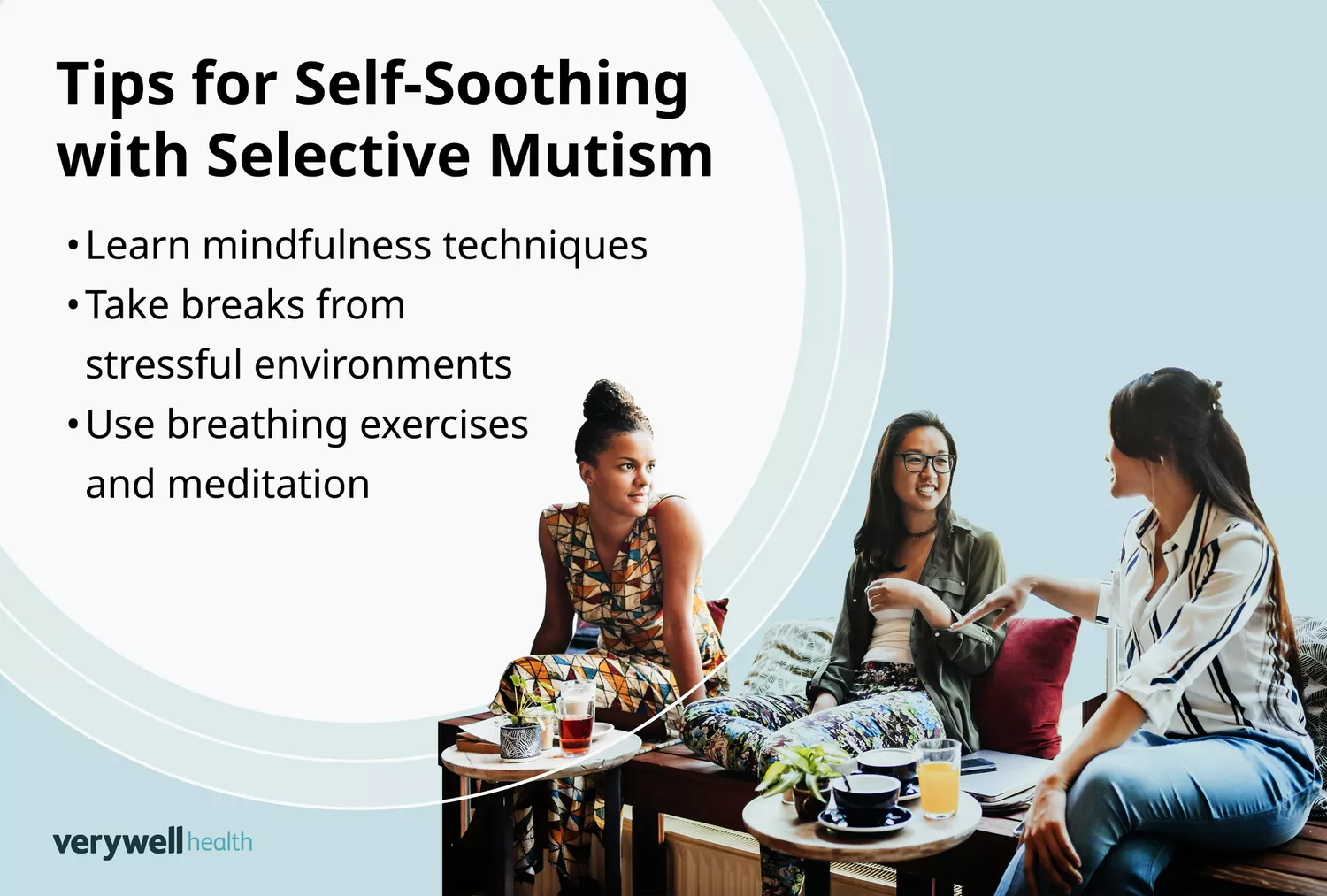
Recovery is not about "making" the person talk; it is about lowering the anxiety that prevents speech. The most successful approach is a multidisciplinary one involving a speech-language pathologist, a psychologist, and the school system. When choosing a path, the debate often centers on behavioral therapy vs trauma therapy for mutism. If the cause is social anxiety, behavioral interventions that focus on desensitization and fading are most effective.
The Social Communication Anxiety Treatment program benefits patients by treating the whole person, not just the speech. It helps individuals move from nonverbal communication to sounds, and eventually to words, in a step-by-step process.
For parents and caregivers, using specific trauma-induced mutism coping strategies can help bridge the gap. Here are some scripts and strategies:
- Avoid the "Why": Don't ask, "Why won't you talk?" This increases the pressure.
- Remove the Pressure: Use phrases like, "It’s okay, you don’t have to talk now. I’m just happy you’re here."
- Provide "Landed" Questions: Instead of open-ended questions, offer choices. "Would you like the red one or the blue one?"
- Selective Mutism Recovery Steps for Older Children: For older children, involve them in the goal-setting. Let them choose which "brave talking" challenges they want to tackle first.
For those dealing with situational silence in the family, focus on creating a low-pressure environment. These coping strategies for trauma-induced mutism in children emphasize safety and emotional regulation over verbal output.
FAQ
Is selective mutism always caused by trauma?
No, it is rarely caused by trauma. The vast majority of cases are rooted in severe social anxiety disorder. Research shows that children with this condition are no more likely to have experienced trauma than children in the general population.
Can a traumatic event trigger selective mutism in children?
A traumatic event can trigger a form of silence known as traumatic mutism, but this is distinct from selective mutism. Traumatic mutism usually results in a total loss of speech in all environments, whereas selective mutism is situational.
What is the difference between selective mutism and traumatic mutism?
The primary difference lies in the cause and the consistency of the silence. Selective mutism is anxiety-based and situational, meaning the child speaks in comfortable settings like home. Traumatic mutism is a response to a specific event and typically results in total silence across all settings.
Can adults develop selective mutism after experiencing trauma?
While adults can experience mutism as a symptom of PTSD or acute stress after a trauma, this is clinically different from selective mutism. However, adults who had undiagnosed selective mutism as children may find their symptoms exacerbated by trauma later in life.
Is selective mutism a symptom of post-traumatic stress disorder (PTSD)?
While silence can be a symptom of PTSD, selective mutism is recognized as its own distinct anxiety disorder. If the mutism is solely a result of a traumatic event and occurs alongside other PTSD symptoms like flashbacks or hypervigilance, it is treated as a symptom of trauma rather than as selective mutism.
The journey toward finding a voice is rarely a straight line. It requires patience, a deep understanding of the neurological "freeze" response, and a commitment to removing the pressure of speech. Whether you are navigating this as an adult or supporting a child, remember that the silence is not the person—it is simply a symptom of a very loud internal anxiety. With the right support and evidence-based interventions, the path to communication is always open.