Quick Facts
- Global Impact: It is estimated that nearly 1 billion adults worldwide have obstructive sleep apnea.
- Diagnosis Gap: Approximately 80% of sleep apnea cases in the United States remain undiagnosed.
- Mortality Risk: Untreated cases are linked to a 1.9-times increased risk of all-cause mortality.
- Heart Health: Untreated obstructive sleep apnea is estimated to increase the risk of heart failure by 140%.
- Physical Markers: High risk is associated with a neck circumference of 17 inches or more for men and 16 inches or more for women.
- Primary Treatment: Continuous positive airway pressure (CPAP) therapy remains the gold standard for management.
Obstructive sleep apnea (OSA) is more than a loud nightly habit; it is a critical health condition affecting nearly 1 billion adults worldwide. While snoring is common, true obstructive sleep apnea involves repetitive upper airway collapse and oxygen drops that can lead to severe cardiovascular issues. Obstructive sleep apnea often presents through witnessed gasping or choking, excessive daytime sleepiness, and high Apnea-Hypopnea Index (AHI) levels. Early diagnosis through a sleep medicine physician is vital to mitigate long-term health effects of untreated sleep apnea.
More Than Snoring: Recognizing the Warning Signs
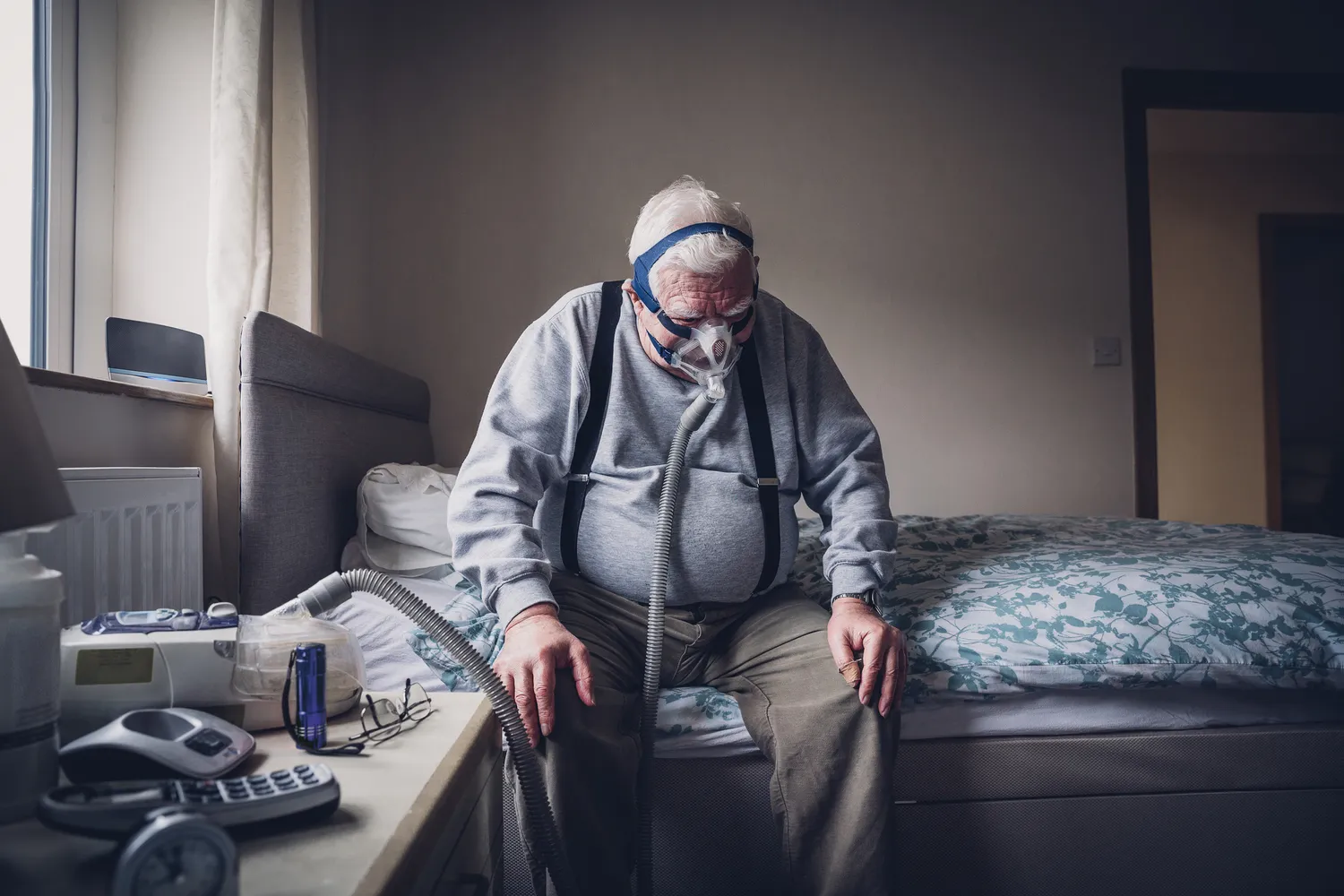
Many people dismiss heavy snoring as a nuisance rather than a medical emergency. However, clinical sleep-disordered breathing is characterized by a physical blockage of the breathing passage. This is known as upper airway collapse, which forces the brain to trigger micro-arousals to restart breathing. These frequent interruptions destroy sleep architecture, leaving the individual exhausted despite spending eight hours in bed.
While snoring is the most common of the sleep apnea warning signs, it is not the only one. Many patients exhibit obstructive sleep apnea warning signs beyond snoring that are often overlooked. For instance, witnessed gasping or choking during the night is a high-priority red flag. Partners often report that the person appears to stop breathing for several seconds followed by a sudden, violent snort or gasp for air.
Physical characteristics also play a major role in screening. Medical professionals often look for specific symptoms of obstructive sleep apnea in adults neck circumference and body mass index. A larger neck puts additional pressure on the airway when the muscles relax during sleep. If you have a neck circumference greater than 17 inches as a male or 16 inches as a female, or if your BMI is in the obese range, your risk of airway collapse increases significantly.
To help determine if your fatigue is clinically significant, clinicians use the Epworth Sleepiness Scale. This validated questionnaire asks you to rate your likelihood of falling asleep in different situations, such as while sitting and reading or watching television. A score higher than 10 often indicates that nighttime micro-arousals are preventing you from reaching the restorative stages of deep sleep.
Common Physical and Behavioral Indicators
- Morning headaches or an extremely dry mouth upon waking.
- Difficulty staying focused or frequent memory lapses throughout the day.
- Frequent nighttime urination, which can be triggered by the heart's response to airway pressure changes.
- Irritability, depression, or mood swings resulting from chronic sleep deprivation.
The Hidden Danger: Long-Term Health Effects
The impact of sleep-disordered breathing extends far beyond feeling tired. When the airway collapses, the body experiences intermittent oxygen desaturation, which means the blood oxygen levels plummet repeatedly throughout the night. This triggers a "fight or flight" response, causing the heart rate to spike and blood pressure to surge.
Over time, this constant stress leads to significant long-term health effects of sleep apnea. One of the most dangerous links is with arterial hypertension. Because the body is under stress all night, blood pressure remains high even during the day, often becoming resistant to standard medications. Furthermore, the metabolic stress caused by poor sleep is a major factor in type 2 diabetes comorbidity. Sleep deprivation can lead to insulin resistance, making it harder for the body to regulate blood sugar levels.
The statistics regarding cardiovascular health are particularly alarming. Research indicates that untreated obstructive sleep apnea is estimated to increase the risk of stroke by 60%. The cumulative strain on the heart can eventually lead to atrial fibrillation or congestive heart failure.
Beyond physical health, the long-term health effects of untreated sleep apnea include a higher risk of workplace and motor vehicle accidents. When cognitive impairment becomes chronic, reaction times slow down, mimicking the effects of alcohol impairment. In fact, some studies suggest that the economic impact of sleep-deprived accidents and lost productivity runs into the hundreds of billions of dollars annually.
Diagnosis: From Home Tests to Polysomnography
If you suspect you are living with this condition, the first step is consulting a sleep medicine physician. Modern medicine has made the diagnostic process more accessible than ever, but it is important to understand which test is right for you. The effectiveness of any treatment plan starts with an accurate measurement of the Apnea-Hypopnea Index (AHI), which calculates the average number of breathing pauses per hour.
When comparing a home sleep apnea test vs polysomnography for diagnosis, the choice usually depends on your underlying health and the severity of your symptoms. A home sleep apnea test (HSAT) is convenient and uses a portable device to monitor your breathing, heart rate, and oxygen levels while you sleep in your own bed. It is often recommended for people with a high probability of moderate to severe OSA and no other major medical issues.
However, laboratory polysomnography remains the gold standard for a comprehensive evaluation. This in-lab study uses pulse oximetry, EEG to monitor brain waves, and sensors to track muscle activity and eye movements. Lab studies are necessary if a doctor suspects other sleep disorders like restless leg syndrome or narcolepsy, or if the patient has significant underlying heart or lung disease.
| Feature | Home Sleep Apnea Test (HSAT) | Laboratory Polysomnography (PSG) |
|---|---|---|
| Location | Your own bedroom | Specialized sleep clinic |
| Complexity | 3-4 sensors | 20+ sensors |
| Best For | Clear cases of obstructive sleep apnea | Complex cases or multiple disorders |
| Supervision | Unattended | Monitored by a technician |
| Cost | Generally lower | Generally higher |
Modern Treatments: CPAP and Beyond
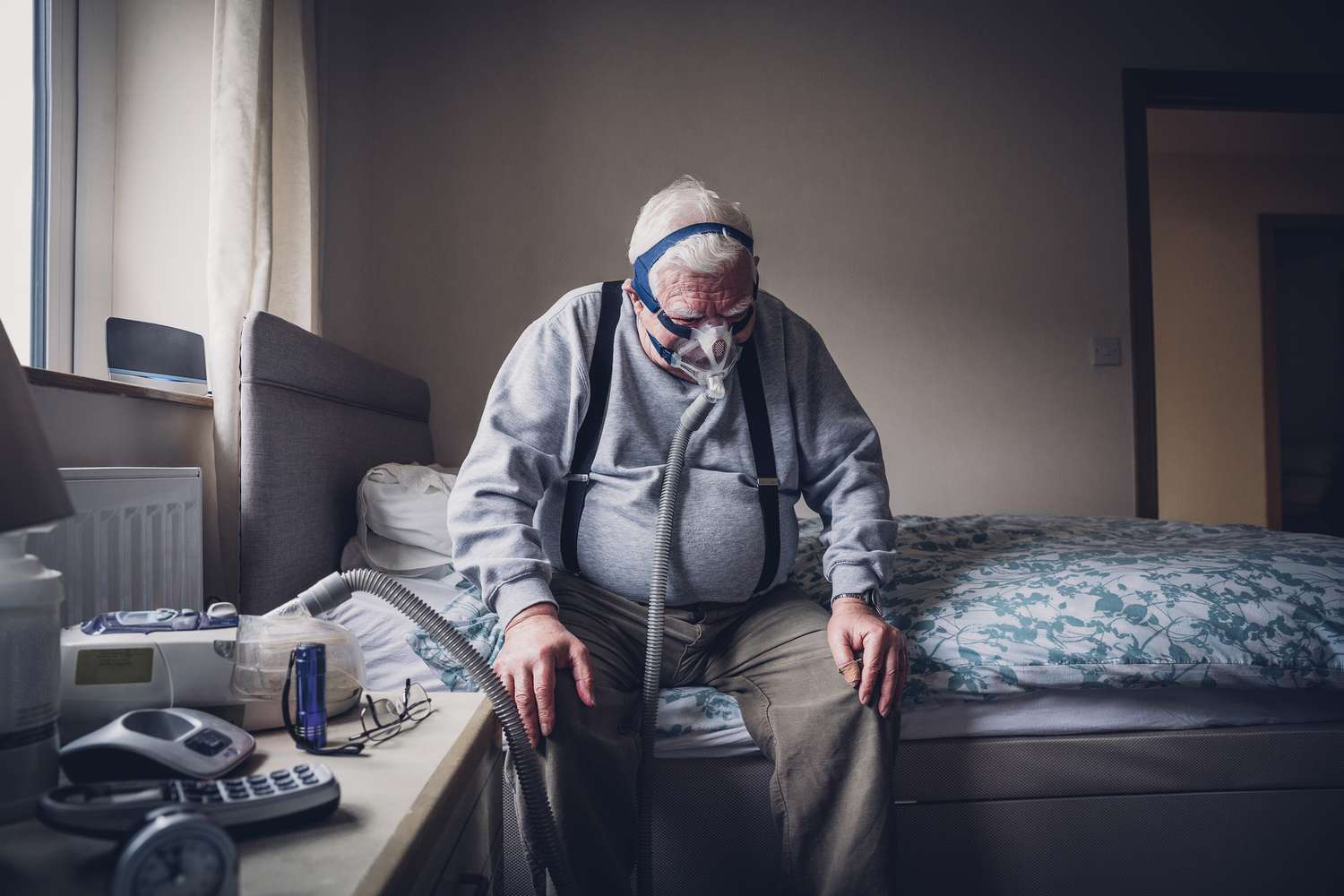
Once a diagnosis is confirmed, the goal of treatment is to keep the airway open and stabilize oxygen levels throughout the night. For most patients, CPAP therapy for sleep apnea is the first line of defense. A CPAP machine provides a steady stream of pressurized air through a mask, acting as a "splint" to prevent upper airway collapse.
The benefits of cpap therapy for heart health are well-documented. By eliminating the nightly oxygen drops and micro-arousals, CPAP therapy reduces the strain on the cardiovascular system and can help lower blood pressure. Many patients report a "night and day" difference in their energy levels within the first week of consistent use.
However, CPAP is not the only option. Some patients find success with a mandibular advancement device. This custom-fitted dental appliance works by gently shifting the lower jaw forward, which keeps the tongue from falling back and blocking the throat. It is often a preferred choice for those with mild to moderate apnea who struggle with the feeling of a mask.
Furthermore, managing obstructive sleep apnea through weight loss and lifestyle changes is a foundational strategy for long-term success. Even a modest reduction in weight can decrease the fatty tissue around the neck, reducing the physical pressure on the airway. Other lifestyle adjustments include:
- Positional therapy: Learning to sleep on your side rather than your back to prevent gravity from causing airway collapse.
- Avoiding alcohol: Alcohol relaxes the throat muscles, making obstructions more likely and more severe.
- Nasal decongestants: Keeping the nasal passages clear can reduce the effort required to breathe at night.
In some cases, surgical interventions may be considered to remove excess tissue or reposition the jaw, though these are typically reserved for patients who have not found success with non-invasive treatments.
FAQ
What are the main symptoms of obstructive sleep apnea?
The primary symptoms include loud and frequent snoring, witnessed episodes where breathing stops or gasps occur, and excessive daytime sleepiness. Other common indicators are waking up with a dry mouth, morning headaches, and feeling unrefreshed even after a full night of sleep.
What happens if sleep apnea is left untreated?
Untreated apnea places a massive strain on the heart and metabolic systems. Over time, it significantly increases the risk of high blood pressure, stroke, heart failure, and type 2 diabetes. It also carries a nearly double risk of all-cause mortality due to the systemic damage caused by chronic oxygen deprivation.
Can you have sleep apnea without snoring?
Yes, it is possible to have obstructive sleep apnea without being a loud snorer. Some people experience "silent" apneas where the airway closes completely without the vibration of snoring. In these cases, the primary symptoms are usually extreme fatigue, morning headaches, or gasping for air during the night.
What are the most effective treatments for obstructive sleep apnea?
Continuous positive airway pressure (CPAP) is considered the most effective gold-standard treatment. Other effective options include mandibular advancement devices (dental appliances), positional therapy, and surgical procedures. The choice of treatment depends on the severity of the Apnea-Hypopnea Index (AHI) score.
Does losing weight help obstructive sleep apnea?
Losing weight is one of the most effective lifestyle interventions for managing the condition. Reducing body fat, particularly around the neck and chest, can decrease the physical obstruction of the airway. In some mild cases, significant weight loss can lead to a complete resolution of symptoms.
If you frequently wake up feeling exhausted or have been told that you stop breathing in your sleep, do not wait to seek help. Managing your sleep health is one of the most impactful things you can do for your long-term cardiovascular and mental well-being. Using tools like the Epworth Sleepiness Scale and consulting with a qualified professional can be the first step toward a longer, healthier life.