Quick Facts
- Origin: Developed at US Navy Pre-Flight School by Bud Winter to help pilots rest under stress.
- Success Rate: Reportedly achieved a 96% success rate among pilots after six weeks of consistent practice.
- Core Components: Combines progressive muscle relaxation (PMR), diaphragmatic breathing, and visualization.
- Ideal Timing: Once mastered, the technique allows individuals to fall asleep in as little as 120 seconds.
- Clinical Link: Strongly aligns with modern Cognitive Behavioral Therapy for Insomnia (CBT-I) and mindfulness practices.
- Primary Benefit: Effectively manages sleep anxiety and racing thoughts by triggering the parasympathetic nervous system.
The military sleep method is a structured relaxation technique designed to help you fall asleep in just 120 seconds by systematically calming the body and clearing the mind. Developed for Navy pilots, it uses a specific sequence of physical tension release and mental imagery to activate the parasympathetic nervous system, significantly reducing sleep latency even in high-stress environments.
Phase 1: Physical Relaxation (The Body Scan)
The foundation of the military sleep method lies in a systematic physical release known as a body scan. When we are stressed or anxious, our muscles hold onto tension in ways we often don't notice. This navy pre-flight sleep technique starts with the face because the facial muscles—specifically the tongue and the area around the eyes—send powerful signals to the rest of the brain about our state of arousal. By consciously relaxing these small muscles, you begin a chain reaction of relaxation throughout the entire body.
To begin, lie flat in your bed and focus on your breath. You will want to follow these progressive muscle relaxation steps to ensure every part of your frame is ready for rest:
- Relax your entire face. Smooth out your forehead, release your jaw, and let your tongue rest loosely in your mouth. Pay special attention to the muscles around your eyes; let them go completely limp.
- Drop your shoulders as low as they can go. Imagine all the tension draining out of your neck and down through your fingertips.
- Exhale deeply and relax your chest. Feel your torso sink further into the mattress.
- Move down to your legs. Relax your thighs, then your calves, and finally focus on your ankles and feet.
During this process, it is essential to engage in diaphragmatic breathing. Rather than taking shallow breaths from your chest, breathe deeply into your belly. This lowers your heart rate and signals to your autonomic nervous system that you are safe. As you follow these step by step military sleep method instructions, imagine each muscle group becoming heavy and warm.
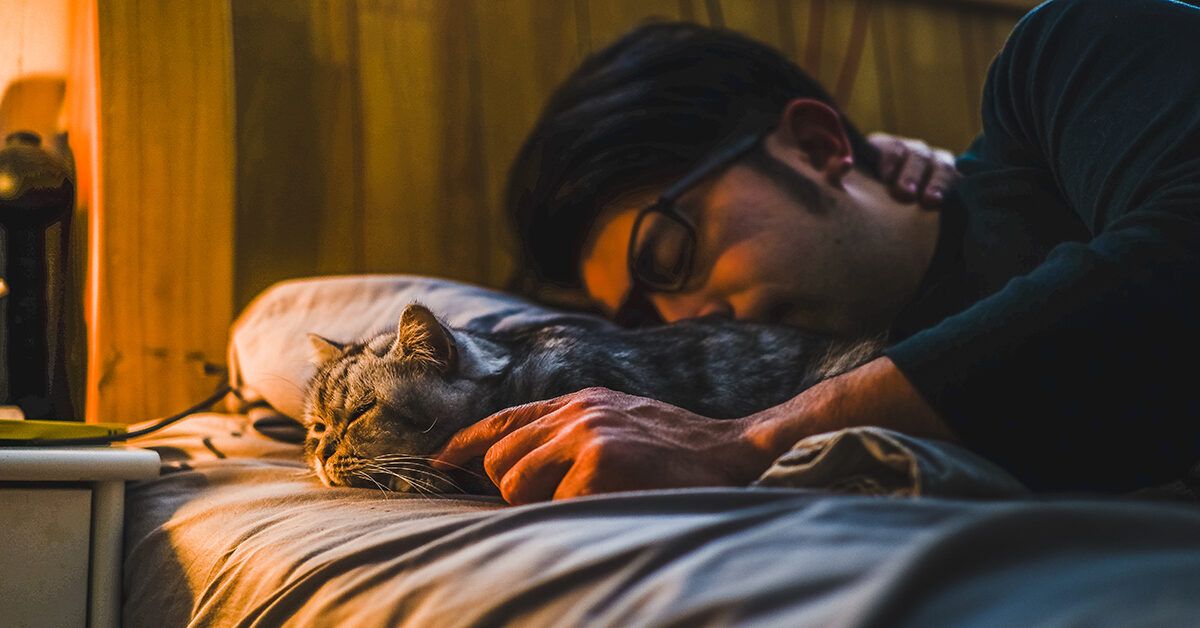
This progressive muscle relaxation routine for falling asleep is not just about comfort; it is about physiological signaling. By the time you reach your toes, your body should feel like it is sinking into the bed, creating the perfect physical environment for the mental work that follows.
Pro Tip: Use a cool room temperature (ideally between 65-68°F) to assist the body scan. A lower core body temperature naturally supports the transition into deep sleep and makes the sensation of muscle heaviness more pronounced.
Phase 2: Mental Clearance (The Visualization)
Once your body is completely relaxed, the next hurdle is the mind. For many, the physical relaxation is the easy part, but the mental quiet required to drift off can be elusive. This is where military sleep method for people with racing thoughts becomes particularly effective. If you find your mind jumping from tomorrow’s to-do list to yesterday’s conversations, you need a mental anchor.
After completing the physical relaxation, Bud Winter suggested clearing your mind for 10 seconds. If thoughts continue to intrude, repeat the words "don't think, don't think, don't think" to yourself for 10 seconds. This repetitive mantra helps block out external worries and prepares you for visualization exercises for sleep.
Once your mind is relatively still, choose one of the following three best visualization scenarios for military sleep method:
- The Calm Lake: Imagine you are lying in a canoe on a crystal-clear lake. The water is perfectly still, and the sky above you is a deep, cloudless blue. There is nothing but the gentle silence of the water around you.
- The Velvet Hammock: Visualize yourself snuggled in a large, black velvet hammock in a room that is completely pitch-black. Feel the softness of the fabric and the sensation of being suspended in total darkness.
- The Dark Room: If the first two scenarios feel too complex, simply imagine yourself in a dark, quiet room where no light can reach you. Focus on the void and the absence of any visual stimulation.
The goal of these mental images is to reduce sleep anxiety by giving the brain a singular, non-stimulating point of focus. By occupying your internal monologue with a tranquil scene, you prevent the spike in cortisol that often comes with night-time worrying.
The Science of 120 Seconds: Why It Works
The military sleep method is not magic; it is a application of neurobiology. The primary goal of the technique is parasympathetic activation. Your autonomic nervous system has two main branches: the sympathetic (fight or flight) and the parasympathetic (rest and digest). Under stress, the sympathetic branch is dominant, keeping your heart rate high and your mind alert. By using controlled breathing and physical relaxation, you manually flip the switch to the parasympathetic state.
This approach shares many similarities with professional sleep therapy. Below is a look at how this navy pre-flight sleep technique for insomnia compares to the clinical gold standard.
| Feature | Military Sleep Method | CBT-I (Cognitive Behavioral Therapy) |
|---|---|---|
| Primary Goal | Rapid sleep onset in high-stress areas | Long-term habit restructuring |
| Physical Focus | Immediate body scan and PMR | Stimulus control and sleep restriction |
| Mental Focus | Guided imagery and mantras | Cognitive restructuring of sleep myths |
| Time to Results | 6 weeks for peak efficiency | 4 to 8 weeks for consistent change |
| Key Advantage | Can be done anywhere, anytime | Addresses the root cause of chronic insomnia |
Understanding sleep latency is also vital. While the goal of this method is to fall asleep fast, it is worth noting that falling asleep in under five minutes can sometimes indicate extreme sleep deprivation. However, the military sleep method is designed to help those whose sleep latency is too high due to stress, bringing it down to a healthy and efficient window.
Troubleshooting: Why You Aren't Sleeping in 2 Minutes Yet
A common mistake beginners make is expecting the military sleep method to work on the very first night. It is important to remember that this is a conditioned response. In Bud Winter’s original study, pilots practiced this for weeks before they could fall asleep in any condition, including while sitting up or after hearing loud noises.
If you are wondering how long to practice military sleep method to see results, the magic number is typically six weeks. You are essentially training your brain to associate a specific physical sequence with the act of shutting down. Consistency is more important than perfection in the beginning.
Another hurdle is Orthosomnia—the anxiety of trying too hard to sleep perfectly. If you find yourself getting frustrated because you aren't asleep in exactly 120 seconds, you are actually moving further away from your goal. The frustration triggers the sympathetic nervous system, keeping you awake. If you find yourself struggling, simply return to the facial relaxation and the breath.
Finally, ensure your sleep hygiene supports your efforts. No technique can fully override the effects of blue light from a smartphone or high doses of caffeine taken late in the day. Use the technique as the final step in a broader evening routine that signals to your body that the day is over.
FAQ
What is the military sleep method?
The military sleep method is a relaxation technique that combines physical muscle relaxation, deep breathing, and mental visualization to help individuals fall asleep quickly. It was popularized by Bud Winter in his book Relax and Win and was originally used to train military pilots to rest under high-stress conditions.
How do you perform the military sleep method step by step?
First, you relax your entire face, including your tongue and jaw. Second, drop your shoulders as low as possible and relax your arms. Third, exhale and relax your chest, followed by your legs down to your toes. Finally, clear your mind for 10 seconds or use a peaceful visualization like floating on a calm lake to drift off.
Does the military sleep method really work in two minutes?
For many people who have mastered the technique, it can indeed lead to sleep in about two minutes. However, the two-minute claim usually refers to the time it takes to complete the physical and mental routine once you have reached a high level of proficiency through practice.
How long does it take to master the military sleep technique?
Historical data suggests that it takes approximately six weeks of consistent nightly practice to achieve the 96% success rate seen in military trials. Like any skill, your body needs time to build the neural pathways that associate these relaxation steps with the onset of sleep.
Is the military sleep method effective for chronic insomnia?
While the method is highly effective for reducing sleep latency caused by stress and anxiety, chronic insomnia often has complex underlying causes. This technique is a valuable tool within a broader sleep hygiene strategy and is very similar to clinical progressive muscle relaxation used in therapy.
What are the best tips for falling asleep fast using military techniques?
The most important tips are to start with the face, as facial relaxation is the key to total body rest, and to remain consistent with the visualization scenarios. Additionally, focusing on long, slow exhales can help lower your heart rate faster, making the transition to sleep more seamless.
Final Thoughts
The military sleep method is a powerful tool for anyone looking to reclaim their nights. By treating sleep as a skill to be practiced rather than a random event to be hoped for, you gain control over your rest. Commit to the six-week conditioning period, focus on your breathing, and let the visualization take you away from the stresses of the day.