Quick Facts
- The Connection: The gut and brain are linked by a bidirectional communication network known as the gut-brain axis, meaning emotional stress directly impacts digestive function.
- The Statistics: Patients with Irritable Bowel Syndrome are three times more likely to suffer from anxiety than healthy individuals.
- The Impact: Research indicates that stress has a higher impact on IBS symptoms (rated 8.23/10) than dietary choices (rated 6.81/10).
- Primary Interventions: Psychological therapies like cognitive behavioral therapy and gut-directed hypnotherapy can reduce symptoms more effectively than 75% of standard care groups.
- The Biology: Approximately 95% of the body’s serotonin production occurs in the gut, highlighting why emotional health and digestive health are inseparable.
- Immediate Relief: Activating the parasympathetic nervous system through diaphragmatic breathing and vagus nerve exercises can stop an active flare-up.
Anxiety-induced IBS occurs when emotional stress triggers physiological changes in the gut, such as altered intestinal motility and visceral hypersensitivity. This creates a cycle where psychological distress worsens digestive symptoms, which in turn increases anxiety, reinforcing a continuous loop of flare-ups that requires a multifaceted approach targeting the nervous system to resolve.
The Science of the Gut-Brain Axis
When we talk about anxiety-induced IBS, we are not talking about a condition that is all in your head. Instead, we are looking at a complex biological dialogue between your central nervous system and your enteric nervous system, which is the vast web of neurons lining your digestive tract. This connection is a two-way highway where signals of panic or worry in the brain can physically alter how your gut moves and feels.
One of the most important concepts to understand here is visceral hypersensitivity. Think of this as a volume knob for pain that has been turned up too high. In a healthy gut, the process of digestion—gas moving, muscles contracting—happens quietly in the background. However, for someone with anxiety-induced IBS, the brain becomes hyper-aware of these sensations. What should be a normal digestive hum is perceived by the brain as sharp pain or intense bloating. This is a hallmark of psychogastroenterology: the study of how our mental state and our digestive system interact.
This biological reality means that signs your ibs flare is caused by anxiety often include symptoms that appear immediately after a stressful event or even in anticipation of one. Because the brain and gut use the same neurotransmitters, including serotonin, a dip in emotional regulation can lead to a direct change in intestinal motility, causing either rapid transit (diarrhea) or a significant slowdown (constipation).
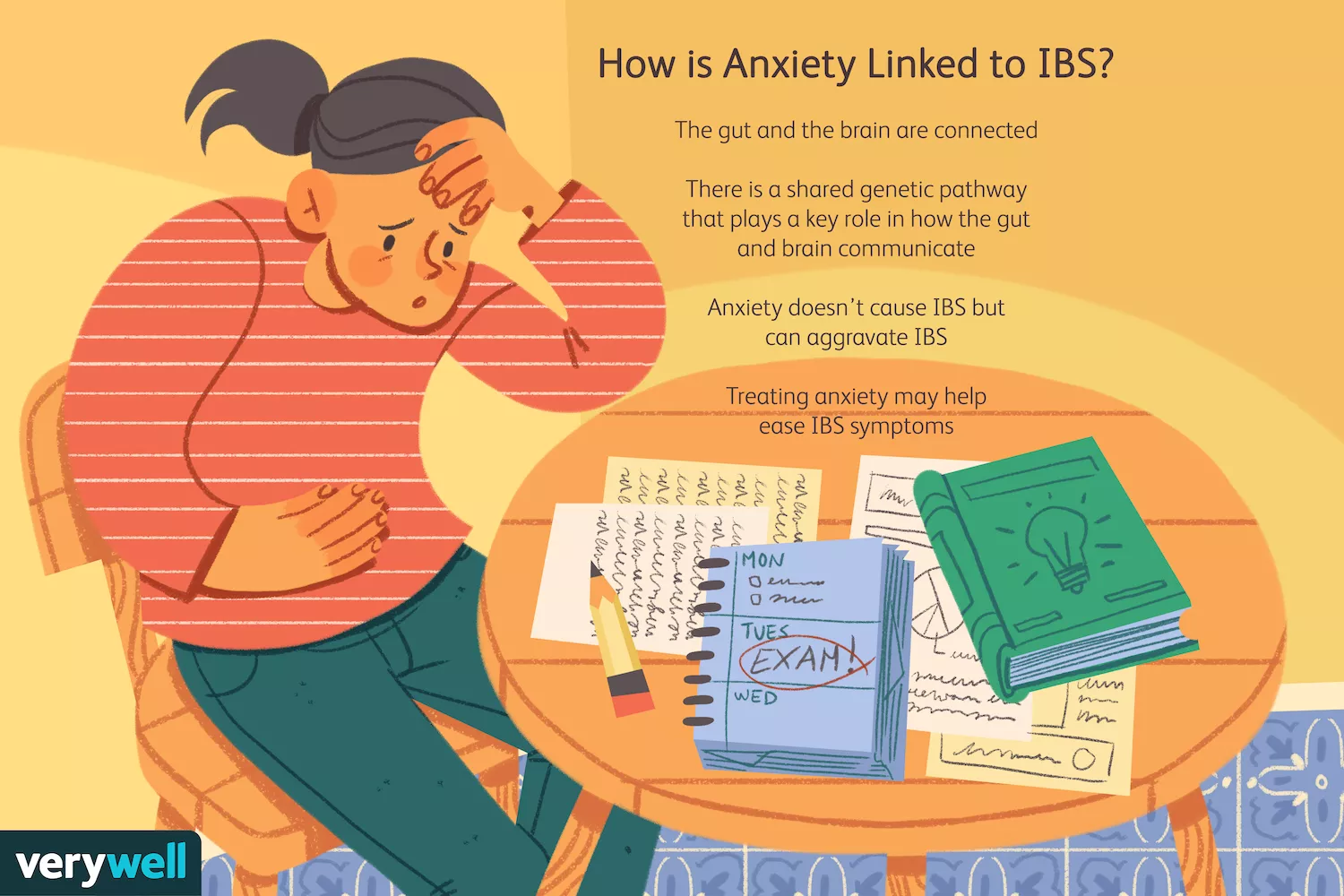
Understanding these gut-brain axis management techniques starts with validating the physical pain. When your body is in a state of high alert, the sympathetic nervous system takes over, diverting energy away from digestion. This survival mechanism is helpful if you are outrunning a predator, but it is destructive when it is triggered by a stressful email or a looming deadline.
Psychological Strategies for Long-Term Control
Because the brain plays such a pivotal role in the frequency of flare-ups, treating the gut alone often yields disappointing results. To truly stop the cycle of anxiety and ibs flares, we must look at interventions that recalibrate the nervous system.
Clinical meta-analyses demonstrate that psychological interventions targeting the gut-brain axis enable the average patient to experience a greater reduction in gastrointestinal symptoms than 75% of individuals in control groups. Among these, cognitive behavioral therapy is the gold standard. It works by helping you identify and shift the thought patterns that trigger the body’s stress response. If you can change how you perceive a stressor, you can prevent that stressor from sending a "danger" signal to your digestive tract.
Another powerful tool is gut-directed hypnotherapy. While it might sound like science fiction, gut-directed hypnotherapy benefits for stress-induced ibs are well-documented. This therapy uses relaxation and visualization to suggest to the subconscious mind that the gut is functioning normally and comfortably. It essentially retrains the brain to ignore those "loud" signals of visceral hypersensitivity. Over time, this helps restore microbiome diversity by reducing the chronic cortisol levels that can disrupt healthy bacterial balance.
Research from the University of Missouri found that 38% of patients with IBS had co-occurring anxiety, which is double the rate found in patients without the condition. This highlights the necessity of incorporating IBS stress reduction strategies into any treatment plan. Managing the mind is not a "soft" science; it is a clinical requirement for gut health.
Physical Relief and Daily Habits
While long-term therapy is vital, you also need immediate relief for stress-related ibs symptoms when you are in the middle of a flare. The goal during these moments is parasympathetic activation—switching the body from "fight or flight" to "rest and digest."
One of the most effective tools for this is diaphragmatic breathing. By taking slow, deep breaths that expand the belly rather than the chest, you physically signal to your brain that you are safe. This pressure also provides a gentle massage to the internal organs, encouraging normal movement. Complementing this with vagus nerve exercises for ibs relief—such as humming, gargling, or cold water splashes—can help reset the nervous system's tone and reduce intestinal cramping.
Beyond acute relief, building daily habits to balance the gut-brain axis is the best way to prevent future episodes. This includes movement that doesn't overtax the body, like restorative yoga or walking, which helps maintain steady serotonin production.
| Factor | Impact Score (0-10) | Primary Effect on IBS |
|---|---|---|
| Stress/Anxiety | 8.23 | Increases visceral hypersensitivity and alters motility |
| Diet/Food Triggers | 6.81 | Causes localized inflammation and osmotic changes |
| Sleep Quality | 7.15 | Regulates pain perception and immune function |
Your dietary habits for nervous IBS should also lean toward stability. Mindful eating—sitting down, chewing thoroughly, and avoiding screens during meals—is a powerful way to ensure your body is in a parasympathetic state when you consume food. This simple habit can be just as effective as a restrictive diet because it addresses the state of the nervous system during digestion.

Consistent movement and targeted relaxation techniques help lower systemic cortisol. Over time, these habits soothe the sympathetic nervous system and create a more resilient digestive environment that is less reactive to the inevitable stresses of daily life.
FAQ
Can anxiety cause IBS symptoms?
Yes, anxiety can directly cause IBS symptoms because the brain and gut are connected via the vagus nerve and shared neurotransmitters. When the brain perceives anxiety, it sends signals to the gut that can speed up or slow down muscle contractions, lead to cramping, and increase the sensitivity of the nerves in the digestive tract, resulting in pain or urgency.
How do I know if my IBS is triggered by anxiety?
You can identify anxiety-induced IBS by tracking the timing of your symptoms. If flare-ups consistently occur during periods of high stress, before important events, or are accompanied by racing thoughts and a fast heartbeat, anxiety is likely a primary trigger. Additionally, if your symptoms improve when you are on vacation or in a relaxed environment, it points toward a gut-brain connection.
How do you calm an IBS flare-up caused by anxiety?
To calm a flare-up quickly, focus on activating the parasympathetic nervous system. Practice diaphragmatic breathing by inhaling slowly for four counts and exhaling for six. You can also try vagus nerve stimulation techniques like splashing cold water on your face or applying a heating pad to your abdomen to soothe muscle spasms and signal safety to your brain.
Can therapy help manage anxiety-related IBS?
Therapy is highly effective for managing anxiety-related IBS. Specialized approaches like cognitive behavioral therapy and gut-directed hypnotherapy have been shown in clinical trials to significantly reduce the severity and frequency of symptoms. These therapies work by changing the way the brain interprets signals from the gut and by lowering the body's overall physiological stress response.
Does stress management improve IBS symptoms?
Yes, stress management is often more effective for long-term IBS relief than dietary changes alone. Research shows that patients who engage in regular stress reduction—such as meditation, regular gentle exercise, and improved sleep hygiene—see a marked decrease in visceral hypersensitivity. By managing stress, you lower the "volume" on gut pain signals and stabilize intestinal motility.