Quick Facts
- Risk Factor: Individuals with obstructive sleep apnea have a 75% higher risk of developing Long COVID.
- Gender Disparity: Women with sleep-disordered breathing face an 89% increased risk, compared to 59% in men.
- New-Onset Condition: COVID-19 infection increases the risk of developing new obstructive sleep apnea by 33% to 41%.
- Predictive Power: Pre-existing sleep apnea is a major predictor of post-viral complications regardless of age or weight.
- Recovery Impact: Addressing sleep health is a critical, often overlooked component of recovering from post-acute sequelae.
- Clinical Overlap: Long COVID fatigue and sleep apnea share symptoms like cognitive impairment and non-restorative sleep.
Emerging research highlights a critical link between Long COVID sleep apnea and recovery timelines. Studies from the NIH suggest that obstructive sleep apnea (OSA) is one of the strongest predictors of post-viral complications. Research indicates that SARS-CoV-2 infection may increase the risk of developing new-onset obstructive sleep apnea or unmask latent vulnerabilities. Managing sleep health is increasingly recognized as a critical factor in recovering from post-acute sequelae of COVID-19.
The 75% Multiplier: Why Sleep Apnea Predicts Long COVID
The medical community has long understood that sleep is the foundation of immune health, but the specific relationship between disordered breathing and post-viral recovery has only recently come into sharp focus. A landmark study supported by the NIH RECOVER initiative has revealed that adults with obstructive sleep apnea have up to a 75% higher risk of developing long COVID symptoms compared to those without the condition.
What makes this finding particularly significant is that the risk remains high even after adjusting for other factors. A large-scale analysis of 2.2 million electronic health records indicates that pre-existing obstructive sleep apnea is a major predictor of long COVID, regardless of age, obesity, or other comorbidities.
There is also a notable gender gap in how these risks manifest. Research shows that women with obstructive sleep apnea face an 89% increased likelihood of developing long COVID, which is significantly higher than the 59% increased risk observed in men. This suggests that for women, managing sleep health for COVID recovery is not just a lifestyle choice—it is a physiological necessity to avoid systemic inflammation and cardiovascular morbidity.
Can COVID Trigger New Sleep Apnea?
While many patients enter the pandemic with undiagnosed sleep issues, others find that the virus itself leaves them with a new condition. Research points to a 33% to 41% increased risk for new-onset obstructive sleep apnea following a SARS-CoV-2 infection. This phenomenon is likely tied to the viral pathophysiology and how it interacts with the brainstem respiratory center, which regulates our breathing during sleep.
Patients often report a state of coranasomnia—a combination of insomnia and fragmented sleep—that persists long after the initial infection has cleared. In some cases, these symptoms of new onset sleep apnea after sars-cov-2 can last for years. The virus may cause neuroinflammation or affect the tone of the upper airway muscles, leading to increased upper airway resistance. When your body is already struggling with post-acute sequelae (PASC), the additional burden of nocturnal hypoxemia (low oxygen levels at night) can stall the healing process and exacerbate existing obstructive sleep apnea symptoms.
The Biological Link: Inflammation and the Tryptophan Steal
To understand why Long COVID and sleep apnea are so closely entwined, we have to look at the cellular level. When the body is in a state of chronic systemic inflammation, it undergoes a process often referred to as the tryptophan steal.
The Tryptophan Steal
Tryptophan is an essential amino acid used to produce serotonin and melatonin, the hormones responsible for mood and sleep. However, during periods of high neuroinflammation, the body diverts tryptophan away from melatonin production and toward the kynurenine pathway. This results in the production of neurotoxic metabolites that can cause cognitive impairment and mitochondrial destruction.
This metabolic shift explains the wired but tired state many patients experience. You may feel exhausted, yet your brain cannot transition into deep, restorative sleep. This biological bottleneck is often worsened by the oxygen saturation drops seen in sleep apnea, leading to a vicious cycle of systemic inflammation and non-restorative sleep.
Diagnosis: Fatigue vs. Sleep Apnea
One of the greatest challenges for patients is distinguishing long covid fatigue from sleep apnea symptoms. Because both conditions cause excessive daytime sleepiness and brain fog, sleep disorders are frequently misdiagnosed as general post-viral exhaustion.
If you find yourself struggling with persistent fatigue, it is essential to look for the specific red flags of sleep-disordered breathing. Use the table below to help identify which symptoms might warrant a formal evaluation.
| Symptom | Long COVID Fatigue | Obstructive Sleep Apnea |
|---|---|---|
| Primary Feeling | Total body depletion / PEM | Sleepiness despite sleeping |
| Breathing | Shortness of breath on exertion | Gasping or choking during sleep |
| Snoring | Unlikely related | Frequent and loud |
| Morning State | Often feels heavy or "drugged" | Waking with a dry mouth or headache |
| Oxygen Levels | Usually normal at rest | Frequent nocturnal hypoxemia |
For many, a screening for sleep apnea in patients with persistent long covid fatigue is the first step toward clarity. While a traditional polysomnography in a lab is the gold standard, many providers now recommend a home sleep apnea test for long covid patients as a more accessible starting point. Obtaining a sleep study for post-viral patients can provide the objective data needed to tailor a recovery plan.
Recovery Strategies: CPAP and Beyond
Once a diagnosis is confirmed, the focus shifts to management. Treating obstructive sleep apnea through CPAP therapy or lifestyle changes may alleviate certain Long COVID symptoms, including brain fog and systemic inflammation. By improving oxygen saturation and sleep architecture, patients can reduce the physiological stress on their bodies.
There are several cpap therapy benefits for long covid brain fog and fatigue that patients should consider:
- Neurological Recovery: Stabilizing oxygen levels at night helps reduce neuroinflammation and supports cognitive function.
- Metabolic Health: Better sleep improves insulin sensitivity and helps regulate the biomarkers of recovery.
- Reduced Stress: CPAP therapy lowers the heart rate and blood pressure spikes associated with apnea events, allowing the autonomic nervous system to rest.
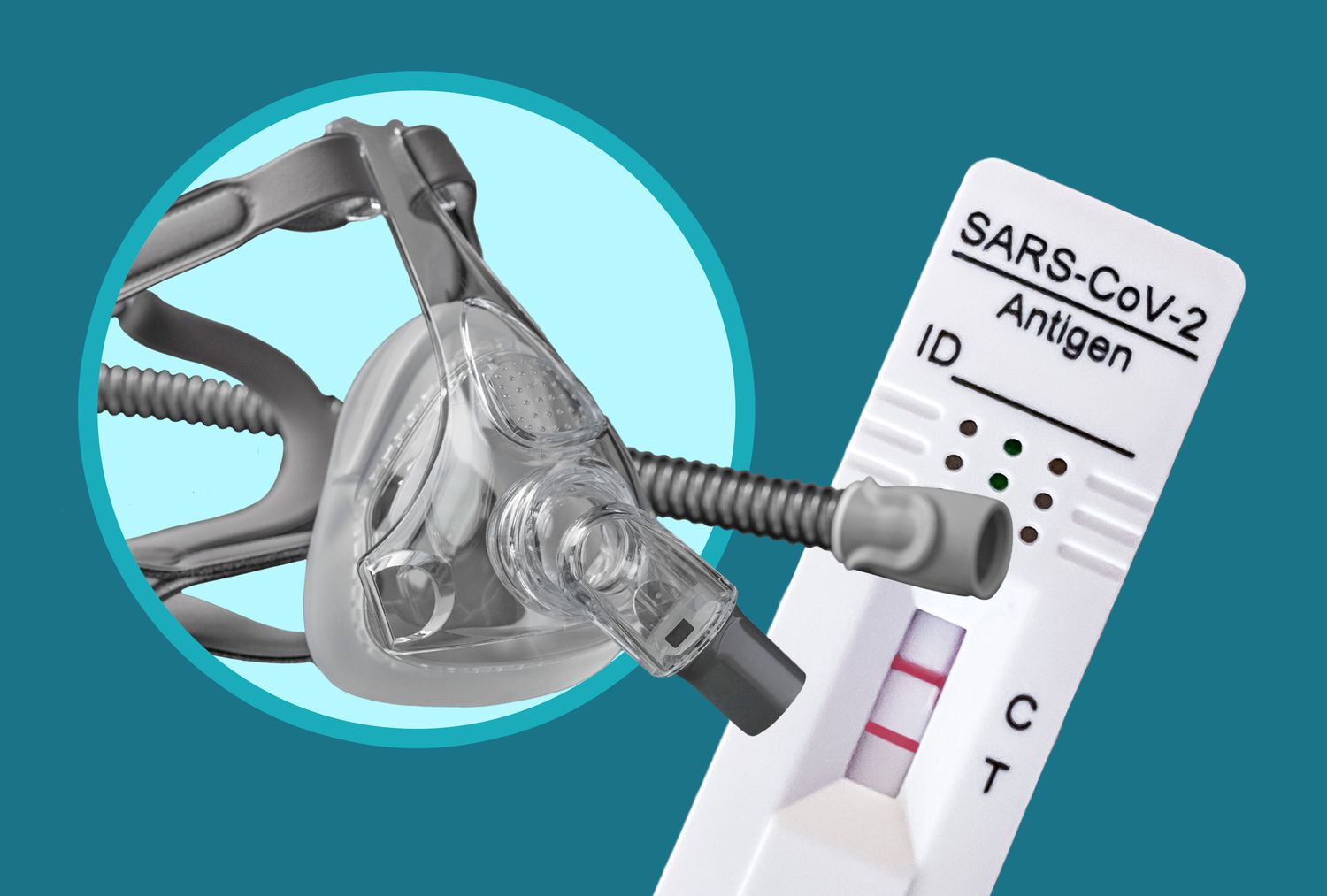
In addition to medical devices, managing sleep health for COVID recovery involves strict sleep hygiene. This includes maintaining a cool sleep environment, avoiding blue light before bed, and managing the dysautonomia symptoms that often accompany PASC. Discussing sleep-disordered breathing with a healthcare provider can help ensure your recovery plan addresses both the viral damage and the sleep disruptions that fuel it.
FAQ
Can Long COVID cause sleep apnea?
Research suggests that SARS-CoV-2 infection can indeed lead to new-onset obstructive sleep apnea or unmask latent vulnerabilities in the respiratory system. The virus may affect the brainstem's control of breathing or cause inflammation in the upper airways, leading to an increased risk of developing the condition following infection.
What are the symptoms of sleep apnea in Long COVID patients?
Common signs include loud snoring, gasping or choking for air during the night, waking up with a very dry mouth or a morning headache, and experiencing non-restorative sleep. While these overlap with general viral fatigue, the presence of specific breathing interruptions during sleep is a key indicator.
Is there a link between Long COVID fatigue and sleep apnea?
Yes, there is a significant link. Individuals with pre-existing sleep apnea are 75% more likely to develop Long COVID symptoms. Furthermore, the nocturnal hypoxemia and fragmented sleep caused by apnea can worsen the persistent fatigue and cognitive impairment associated with post-viral syndromes.
Can treating sleep apnea improve Long COVID brain fog?
Addressing sleep-disordered breathing can lead to improvements in cognitive impairment. By stabilizing oxygen saturation and improving sleep architecture, patients often find that their mental clarity improves as the brain receives the restorative rest it needs to heal from neuroinflammation.
Does CPAP therapy help with Long COVID symptoms?
CPAP therapy can be an effective tool for managing the overlapping symptoms of Long COVID and sleep apnea. By ensuring a steady flow of oxygen and preventing breathing interruptions, it reduces systemic inflammation and physiological stress, which are major hurdles in the recovery from post-acute sequelae.
If you are experiencing persistent exhaustion or suspected sleep disruptions, it is highly recommended to seek a sleep study for post-viral patients to determine if sleep apnea is hindering your journey back to health.