Quick Facts
- Diabetes Risk: Every 10-lux increase in nighttime light exposure is associated with a 30% higher risk of type 2 diabetes.
- Heart Health: Exposure to bright sleep environments can lead to a 56% increased risk of developing heart failure.
- Weight Management: Women sleeping with a television or light on are 17% more likely to gain 11 pounds or more over five years.
- Melatonin Peak: The body is most sensitive to light in the 460-500 nm wavelength range, which effectively halts melatonin production.
- The 4-Hour Rule: Dimming household lights at least 2 to 4 hours before bedtime is critical for maintaining metabolic health.
- Simple Solution: Transitioning to red light bulbs in the evening can protect the circadian rhythm while providing enough visibility for tasks.
Nighttime light exposure, particularly from blue-rich LED sources, suppresses melatonin production and disrupts the body’s internal clock. New research links this circadian rhythm disruption from light to significant increases in heart failure and metabolic disorders. By interfering with the natural biological signals for rest, artificial light creates a state of physiological stress that alters how the body processes sugar and regulates hormones.
The Biological Mechanism: Why Nighttime Light Disrupts the Body
To understand how light influences our health, we must look at a tiny region of the brain called the suprachiasmatic nucleus. Located in the hypothalamus, this serves as the master clock, coordinating various biological processes with the 24-hour cycle of day and night. When photoreceptors in the eyes detect light, they send signals directly to this master clock, which then manages the release of hormones.
The pineal gland is the primary producer of melatonin, often called the hormone of darkness. Under natural conditions, as the sun sets and the environment dims, the pineal gland ramps up production to prepare the body for restorative sleep. However, the presence of artificial light at night provides a false signal of daytime. Modern LED lighting and digital screens are particularly problematic because they emit high concentrations of blue light. This specific spectrum is what the human eye is most sensitive to for regulating the sleep-wake cycle.
Research into sleep hygiene has shown that even low lux levels can trigger a biological response. While a bright office might be 500 lux, even a 10-lux environment—roughly the brightness of a dim hallway or a nightlight—can begin the process of melatonin suppression and artificial light interference. This suppression isn't just about feeling tired; it affects the deep cellular repairs that occur during the night. Some practitioners have turned to dark therapy as a clinical intervention to reset these rhythms, highlighting how vital a truly dark environment is for our endocrine system.
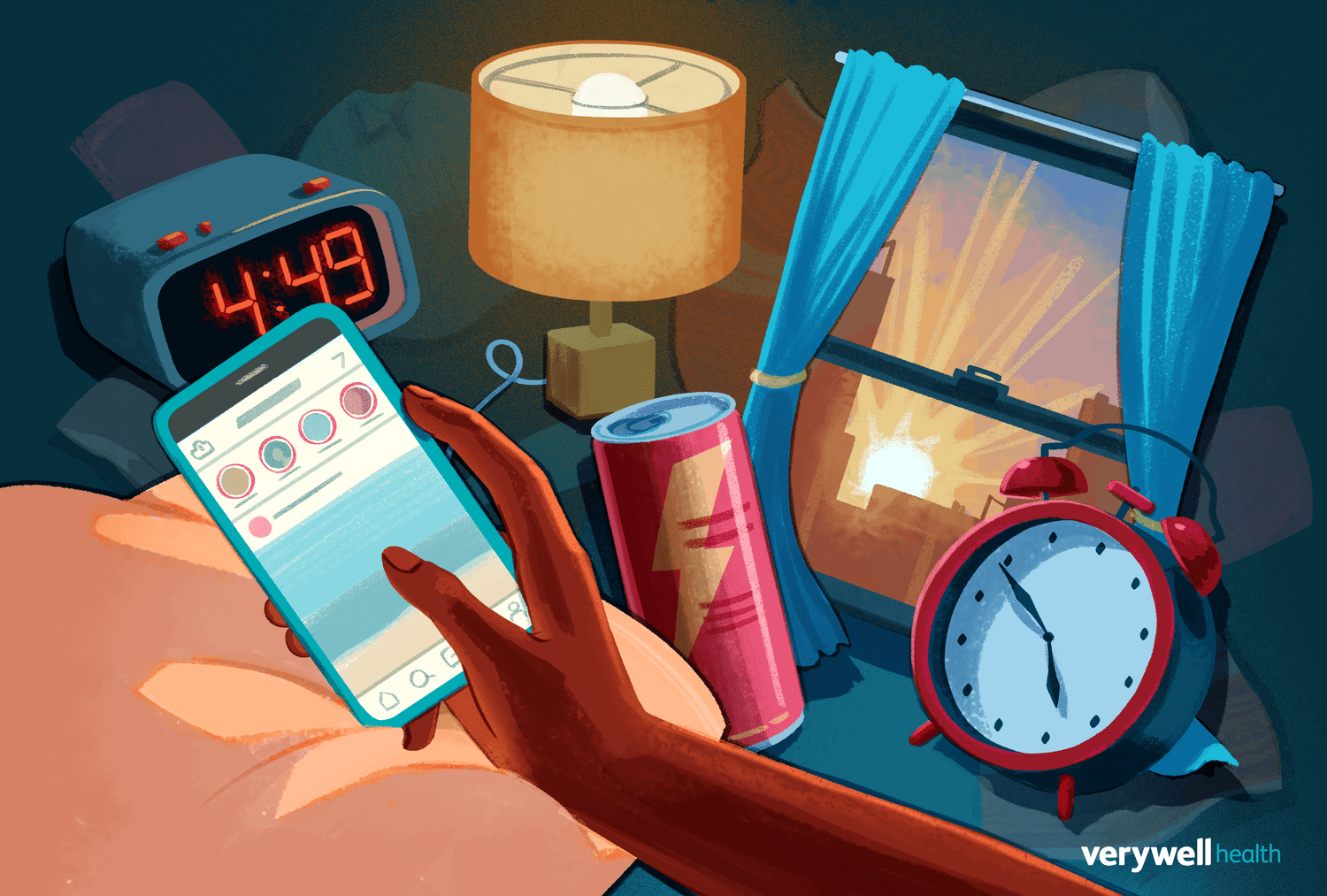
When we disrupt these pathways, we don't just lose sleep; we lose the ability to maintain homeostasis. Studies show that when human-centric lighting—which mimics the natural progression of the sun—is used, individuals experience a 12% boost in melatonin compared to those in standard lighting environments. This shift helps the body transition into a state of recovery, rather than remaining in a state of high-alert daytime physiology.
Chronic Health Risks: Diabetes, Obesity, and Heart Health
The long term health risks of artificial light at night extend far beyond feeling groggy in the morning. One of the most significant discoveries in recent sleep science is the direct link between light exposure and metabolic syndrome. When we are exposed to light during our supposed resting phase, our body's sensitivity to insulin drops. This leads to a state of insulin resistance, where the body struggles to clear glucose from the bloodstream effectively.
The statistics are sobering. A study involving over 84,000 individuals demonstrated that for every 10-lux increase in nighttime light exposure, the risk of developing type 2 diabetes increased by 30%. This suggests that even small changes in our evening environment—like a poorly positioned streetlamp or leaving a kitchen light on—can have cumulative effects on our metabolic health. Understanding how dimming lights at night prevents metabolic disorders is becoming a cornerstone of preventative medicine.
Weight regulation is also heavily influenced by our light environment. Research involving more than 43,000 women showed that those who slept with a light or television on in the room were 17% more likely to gain 11 pounds or more over a five-year period. This weight gain is likely a result of the disruption to the hormones that regulate hunger, such as leptin and ghrelin, which are deeply tied to the circadian rhythm.
Cardiovascular health is perhaps the most critical concern. Large-scale data, including the UK Biobank study, suggests that sleeping in bright environments can significantly increase the risk of heart failure. When the body is under constant light stimulation, the sympathetic nervous system remains active, preventing the natural "dip" in heart rate and blood pressure that should occur during sleep. This persistent state of chronic inflammation and elevated heart rate puts an immense strain on the cardiovascular system over time.
The Hormonal Link: Cancer Risks and Endocrine Disruption
Melatonin is more than just a sleep aid; it is a powerful antioxidant and a regulator of the entire endocrine system. When we experience melatonin suppression and artificial light exposure consistently, we disrupt the delicate balance of sex hormones and stress hormones. This endocrine disruption has been linked in several epidemiological studies to an increased risk of hormone-dependent cancers, specifically breast and prostate cancer.
During the night, melatonin helps keep levels of estrogen and testosterone in check. Without sufficient melatonin, these hormones can become dysregulated, potentially promoting the growth of certain tumors. Furthermore, nighttime light exposure often leads to elevated evening levels of cortisol regulation. Cortisol, our primary stress hormone, should be at its lowest point in the late evening. When it remains high due to light stimulation, it prevents the body from entering a repair mode, leading to cellular damage and accelerated aging.
Maintaining internal homeostasis requires a clear signal of when the day ends. By blurring the lines between day and night with artificial lighting, we essentially keep our cells in a state of "work" without ever giving them the "rest" period required for genetic repair and detoxification.
Optimization Protocol: How to Protect Your Health
Protecting your health doesn't mean living in total darkness, but it does require a deliberate approach to how you manage your environment as evening approaches. The following protocol is designed to help you align your home with your biological needs.
| Light Type | Wavelength | Impact on Sleep | Recommended Use |
|---|---|---|---|
| Blue Light | 460-500 nm | High melatonin suppression; increases alertness. | Morning and early afternoon only. |
| Warm White | 2700-3000 K | Moderate suppression; can still disrupt SCN. | Transition periods (dusk). |
| Red Light | 620-750 nm | Minimal to no impact on melatonin production. | 2 hours before bed and during the night. |
To effectively implement these changes, start by following the 4-hour pre-bed dimming rule. As soon as dinner is over, begin lowering the lux levels in your living spaces. Using a blue light filter for sleep on all digital devices is a helpful first step, but it is not a complete solution. The impact of phone screen brightness on sleep quality is still significant even with filters, as the proximity of the device to your eyes delivers a concentrated dose of light.
Focus on how to reduce nighttime light exposure for better sleep by changing the physical bulbs in your bedroom and bathroom. Using red light bulbs for sleep and circadian health is highly effective because red light has a longer wavelength that does not trigger the photoreceptors in the eyes that signal the brain to stay awake. This allows the pineal gland to continue its work uninterrupted.
For the bedroom itself, the goal should be "cave-like" darkness. This often requires the use of blackout curtains to block out external streetlights or neighbor’s security lights. If you cannot control the light in your room, a high-quality eye mask is a simple and effective alternative. By choosing the best evening lighting to improve melatonin levels, you are making a long-term investment in your cognitive function and metabolic resilience.
FAQ
How does nighttime light exposure affect sleep quality?
Light exposure at night disrupts the transition into deep, restorative sleep stages. When the brain perceives light, it remains in a state of high alertness, which shortens the duration of REM and slow-wave sleep. This leads to fragmented rest and the feeling of being unrefreshed despite spending enough hours in bed.
What are the health risks of artificial light at night?
The primary risks include metabolic disorders like type 2 diabetes and obesity, as well as cardiovascular issues such as heart failure and hypertension. Long-term exposure is also linked to mood disorders like depression and an increased risk for certain types of cancer due to the disruption of hormonal balance.
Does blue light exposure at night suppress melatonin?
Yes, blue light is the most potent suppressor of melatonin. The photoreceptors in the human eye are specifically tuned to wavelengths between 460 and 500 nanometers. When these receptors are stimulated by blue light from LEDs or screens, they signal the brain to stop producing melatonin immediately.
Can nighttime light exposure cause weight gain or metabolic issues?
Research suggests a strong correlation between light at night and weight gain. Light exposure interferes with metabolic processes and insulin sensitivity, making it harder for the body to regulate blood sugar and manage energy storage. This disruption can lead to a 17% higher risk of significant weight gain over time.
Are red lights better for sleeping than white lights?
Red lights are far superior for evening use because they have the least power to suppress melatonin. Unlike white or blue light, red light does not trick the brain into thinking it is daytime, making it the ideal choice for nightlights or evening reading lamps.
How can I reduce artificial light exposure in the evening?
Start by dimming household lights two hours before bed and switching to lamps with warm-toned or red bulbs. Use blackout curtains to eliminate outside light, and avoid using smartphones or tablets in the bedroom. If you must use screens, apply a blue light filter and keep the brightness at the lowest possible setting.
Conclusion: Mastering Your Circadian Environment
The evidence is clear: our modern environment is often at odds with our ancient biology. However, we are not helpless in the face of nighttime light exposure. By adopting a "Bright Day, Dim Evening, Dark Night" framework, you can reclaim your circadian health. This involves seeking out natural sunlight early in the morning to set your master clock, then intentionally reducing lux levels as the sun goes down.
A consistent dimming lights schedule for optimal circadian rhythm is one of the most effective sleep hygiene practices you can implement. Whether it is installing smart bulbs that shift color temperature automatically or simply turning off the television an hour earlier, these small adjustments shield your body from endocrine disruption and chronic disease. By taking control of your light environment, you are giving your body the signal it needs to rest, repair, and thrive.